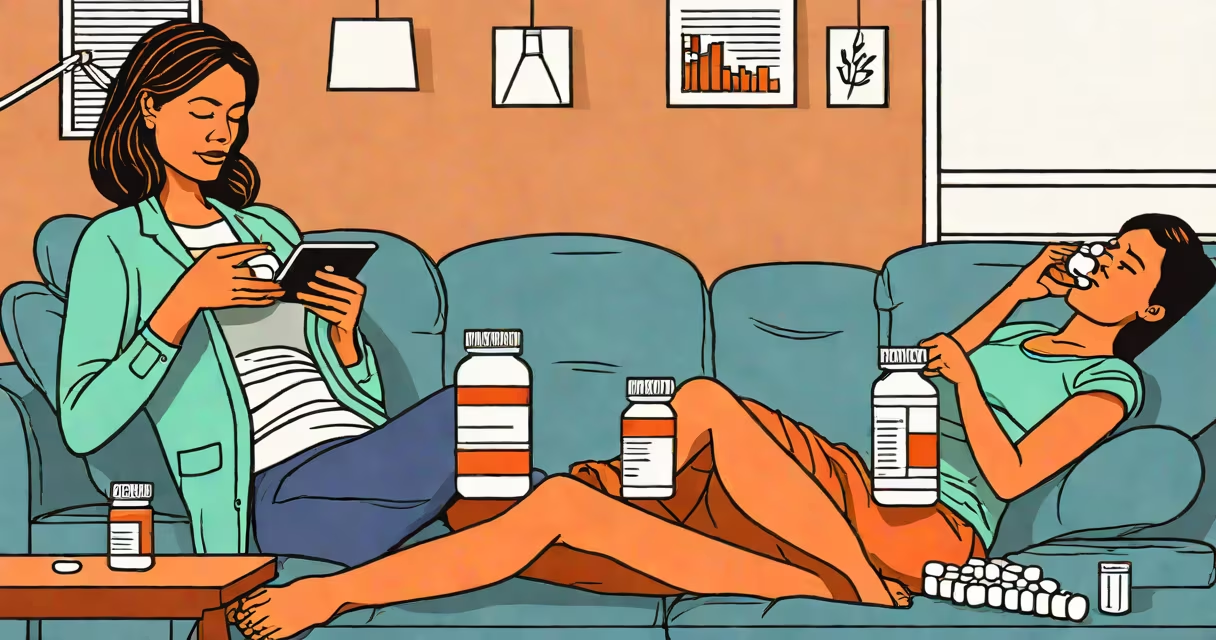
Good pills for cramps typically refer to over-the-counter nonsteroidal anti-inflammatory drugs (NSAIDs) such as ibuprofen and naproxen sodium, which reduce prostaglandin production and ease uterine contractions during menstruation or muscle spasms. These medications are effective for both menstrual and leg cramps when taken at recommended doses.
Cramps result from involuntary muscle contractions caused by chemical signals like prostaglandins. NSAIDs interrupt this process by blocking cyclooxygenase enzymes, reducing inflammation and pain. For most people, taking ibuprofen 200 mg every 6-8 hours or naproxen 220 mg every 12 hours provides relief within 30 minutes. Always follow label instructions and avoid exceeding daily limits.
The effectiveness of good pills for cramps depends on timing. Starting medication at the first sign of pain-often before heavy bleeding begins-can prevent escalation. A 2021 review in the Journal of Women's Health confirmed that NSAIDs reduced menstrual pain intensity by 50% compared to placebo when taken early.
When uterine muscles contract excessively during menstruation, they compress blood vessels, temporarily cutting off oxygen supply. This ischemia triggers pain signals. NSAIDs lower prostaglandin levels, decreasing contraction frequency and severity. They also reduce peripheral nerve sensitivity to pain stimuli.
For leg cramps, often caused by dehydration, electrolyte imbalance, or prolonged standing, NSAIDs offer temporary relief by suppressing local inflammation. However, they do not address root causes like low potassium or calcium. Persistent leg cramps may require medical evaluation to rule out nerve compression or vascular issues.
A 2019 study in the American Journal of Obstetrics & Gynecology found that women who took ibuprofen at the onset of cramps reported a 68% improvement in daily functioning versus those using acetaminophen. Acetaminophen lacks anti-inflammatory action and is less effective for cramp-related pain.
Common options fall into two categories: NSAIDs and antispasmodics. NSAIDs are first-line treatments due to strong evidence. Antispasmodics like dicyclomine are less effective for menstrual cramps and carry higher side effect risks.
| Medication | Dose (adult) | Frequency | Best For |
|---|---|---|---|
| Ibuprofen | 200 mg | Every 6-8 hours | Menstrual cramps, mild muscle pain |
| Naproxen sodium | 220 mg | Every 12 hours | Longer-lasting relief, period pain |
| Acetaminophen | 500 mg | Every 6 hours | Mild pain, no inflammation |
NSAIDs are not suitable for everyone. People with a history of peptic ulcers, kidney disease, or heart failure should avoid them. Those on blood thinners like warfarin must consult a doctor before use. A 2020 report from the FDA noted that long-term NSAID use increases cardiovascular risk by 1.3 times compared to placebo.
Many assume that good pills for cramps must be prescription-strength. This is false. Over-the-counter NSAIDs are sufficient for most cases. A 2022 survey by the American College of Obstetricians and Gynecologists found that 63% of women used OTC options effectively without needing prescriptions.
Another myth is that painkillers should be saved until the pain becomes unbearable. Delaying intake reduces efficacy. Taking ibuprofen at the first twinge prevents pain from escalating. Research shows early administration cuts peak pain intensity by 40%.
Some users mix NSAIDs with alcohol or other NSAIDs (like aspirin) to boost effects. This increases stomach bleeding risk. The National Institutes of Health warns that combining NSAIDs with alcohol raises gastrointestinal hemorrhage risk by 2.8 times.
Sarah, a 28-year-old teacher, experienced severe menstrual cramps that disrupted her work. She began tracking symptoms and noticed pain started two days before her period. On Day 1, she took 400 mg ibuprofen at 8 a.m., then 200 mg every 8 hours as needed. By noon, her pain dropped from 8/10 to 3/10. She continued for 48 hours, stopping when pain resolved.
Good pills for cramps are not a substitute for diagnosis. If cramps worsen over time, last longer than 72 hours, or occur between periods, see a healthcare provider. Heavy bleeding, fever, or nausea with cramps may signal endometriosis or pelvic inflammatory disease.
Leg cramps that recur nightly despite hydration and stretching may indicate peripheral artery disease or nerve damage. A 2023 study in Neurology found that 15% of patients with frequent nocturnal leg cramps had undiagnosed lumbar spinal stenosis.
Always read labels carefully. Avoid products with multiple active ingredients unless directed. Some combination pills contain caffeine or decongestants that may worsen anxiety or blood pressure. Stick to single-ingredient formulations when possible.