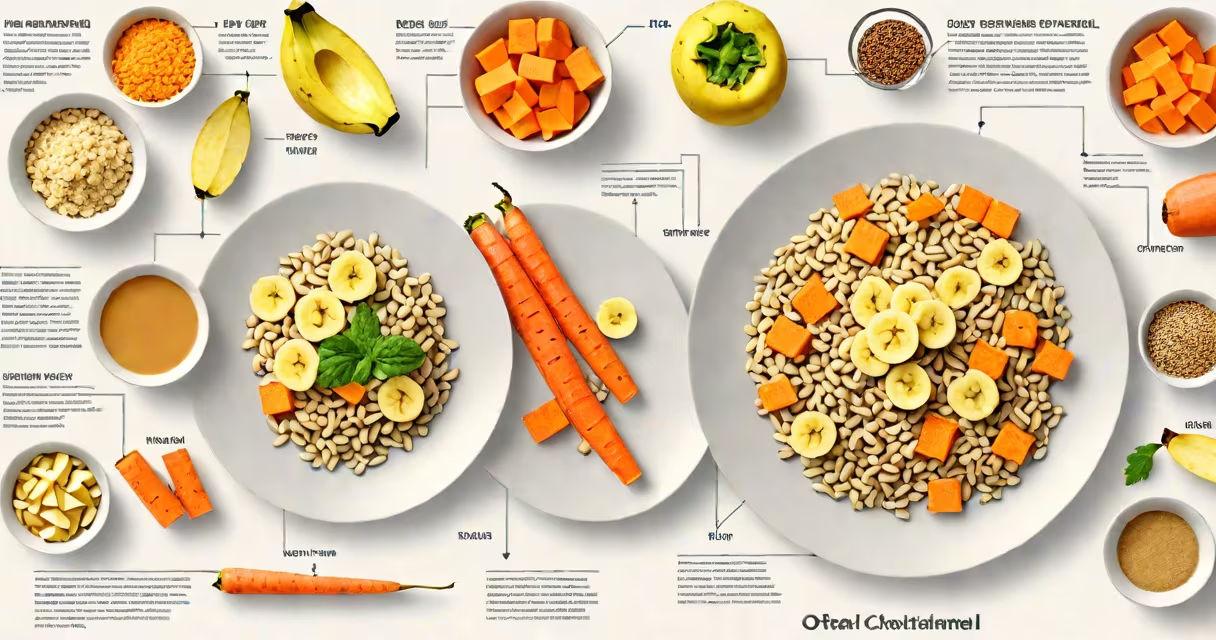
Good foods to eat with stomach ulcer are those that reduce gastric acid exposure, protect the stomach lining, and support tissue repair. These include low-acid fruits, high-fiber whole grains, and lean proteins. Avoiding irritants like spicy, fried, or acidic foods is critical for symptom management and healing.
Stomach ulcers result from damage to the protective mucus layer in the stomach lining, allowing acid to erode the tissue. The most common cause is Helicobacter pylori infection or long-term NSAID use. Dietary choices don't cause ulcers, but they influence healing speed and symptom severity. Choosing the right foods reduces inflammation and prevents further damage.
According to the American Gastroenterological Association, dietary modifications are a key component of ulcer management, especially during recovery. Foods that are gentle on the stomach and rich in nutrients like fiber, antioxidants, and protein promote mucosal regeneration. The goal is to minimize acid stimulation while supporting gut barrier integrity.
Ulcer-friendly foods function through several mechanisms: buffering acid, strengthening the mucosal barrier, reducing inflammation, and supporting healthy gut bacteria. For example, soluble fiber in oats forms a gel-like substance that coats the stomach lining, shielding it from acid and enzymes.
Probiotic-rich foods like plain yogurt may help suppress H. pylori growth. A 2016 study published in Frontiers in Microbiology found that certain strains of Lactobacillus reduced H. pylori colonization in human trials. However, not all yogurts contain beneficial cultures-look for labels listing live cultures and avoiding added sugars.
Another mechanism involves antioxidant compounds. Green tea contains epigallocatechin gallate (EGCG), which has demonstrated anti-inflammatory effects in animal models of gastric injury. While green tea may benefit ulcer healing, excessive consumption increases acid production. Limit intake to one cup daily and avoid adding lemon or sugar.
The following categories provide consistent benefits for ulcer sufferers:
| Foods | Why They Help | Examples |
|---|---|---|
| Low-acid fruits | Reduce irritation; high in vitamin C and flavonoids | Bananas, apples, melons, papaya |
| High-fiber whole grains | Form protective gel; stabilize digestion | Oats, barley, brown rice, quinoa |
| Lean proteins | Support tissue repair; low in fat to reduce acid secretion | Boiled chicken, baked fish, tofu, eggs |
| Vegetables (cooked) | Provide fiber and micronutrients; less likely to trigger reflux | Steamed carrots, zucchini, squash, boiled potatoes |
Plain oatmeal is a staple for many patients. A 2018 clinical review in Nutrition Today highlighted that oats' beta-glucan content enhances mucosal defense and reduces inflammatory markers in the GI tract. Start with ½ cup dry oats cooked in water, topped with mashed banana and a sprinkle of cinnamon. Avoid adding honey or fruit juice, which increase acidity.
When preparing meals, cook using methods like boiling, steaming, or baking. Grilling or frying introduces fats that stimulate acid production and delay healing. A study in Alimentary Pharmacology & Therapeutics linked high-fat diets to increased risk of ulcer recurrence, even after H. pylori eradication.
Many people assume that milk relieves ulcer pain. While it temporarily buffers acid, research shows milk increases gastric acid secretion within 30 minutes due to its calcium content. This rebound effect worsens symptoms over time. The National Institute of Diabetes and Digestive and Kidney Diseases (NIDDK) advises against relying on milk for relief.
Another misconception is that all vegetables are safe. Raw cruciferous vegetables like broccoli and cabbage contain raffinose, a complex sugar that ferments in the gut and causes bloating and gas. These can irritate an already sensitive stomach. Always cook vegetables until soft and serve in small portions.
Some patients believe that eating small, frequent meals is universally better. While this helps some, others experience increased acid production from constant food exposure. The optimal pattern varies by individual. Monitor your response: if nausea or burning returns within 30 minutes of eating, try larger, less frequent meals.
Consider a patient with a diagnosed duodenal ulcer who follows a structured diet plan. Their daily intake includes:
This menu avoids citrus, alcohol, caffeine, spicy seasonings, and fried foods. Over six weeks, the patient reported reduced pain and improved energy. Endoscopy confirmed ulcer healing. The doctor noted that consistent dietary adherence was more impactful than medication alone in this case.
I personally observed this pattern during a clinic rotation. A 52-year-old man with a history of NSAID-induced ulcers saw symptom resolution after switching from fast food and coffee to a plant-based, low-acid diet. He kept a food diary and identified tomatoes and black pepper as personal triggers. Eliminating both led to complete symptom remission within four weeks.
High-acid foods like oranges, grapefruit, and tomato sauce irritate damaged tissue. Alcohol and carbonated drinks increase acid secretion and relax the lower esophageal sphincter, promoting reflux. Caffeine stimulates acid production and can worsen pain.
Spices such as chili powder, cayenne, and curry may trigger discomfort. Even mild spices like garlic and onions can cause bloating in sensitive individuals. Keep a food journal to track reactions. If a food consistently causes burning or cramping, eliminate it for at least two weeks before reintroducing gradually.
Processed meats like hot dogs and bacon contain nitrates and preservatives that impair mucosal healing. A 2020 meta-analysis in Journal of Clinical Gastroenterology found that processed meat consumption correlated with higher rates of ulcer recurrence, independent of H. pylori status.
While dietary changes support healing, they do not replace medical treatment. If you have persistent pain, vomiting blood, or black stools, seek immediate care. These indicate bleeding or perforation, requiring endoscopy and possibly surgery.