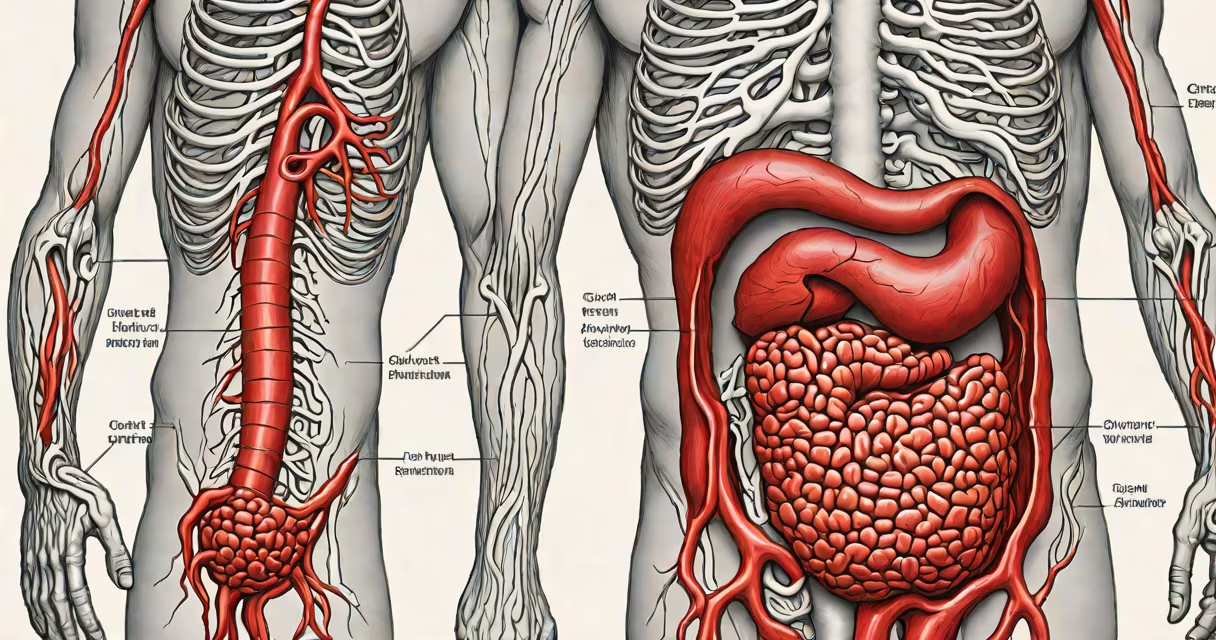
Gastric disorder symptoms refer to physical signs of abnormal stomach function, including chronic nausea, upper abdominal pain, bloating, heartburn, and changes in bowel habits. These indicate irritation or dysfunction in the stomach lining or digestive process.
These symptoms arise when the stomach's protective mucous layer weakens, allowing gastric acid to damage tissue. Common triggers include Helicobacter pylori infection, NSAID use, excessive alcohol, stress, and poor diet. Symptoms may appear suddenly or develop gradually over weeks.
The American Gastroenterological Association notes that persistent gastric symptoms affect over 40 million adults in the U.S. annually, with many delaying care due to misinterpreting mild discomfort as temporary indigestion.
Symptoms emerge when stomach acid breaches the mucosal barrier, leading to inflammation or ulcer formation. This disruption activates nerve endings in the stomach wall, sending pain signals to the brain. Acid exposure also alters gut motility, causing either delayed emptying (leading to bloating) or rapid transit (resulting in diarrhea).
For example, a person consuming daily ibuprofen for joint pain may develop erosive gastritis. Over time, the medication damages the stomach lining, resulting in dull, burning pain between meals. Without intervention, this can progress to bleeding ulcers.
Stress contributes through cortisol release, which reduces blood flow to the stomach and impairs mucus production. A 2021 study in *Gut* found that individuals under high psychological stress were 2.3 times more likely to report recurrent gastric pain than low-stress peers.
Different conditions cause overlapping but distinct symptom patterns. Accurate diagnosis requires matching clinical presentation with medical testing.
| Disorder | Primary Symptoms | Distinctive Feature |
|---|---|---|
| Peptic Ulcer Disease | Burning pain in upper abdomen, especially when fasting; black stools | Pain often relieved by eating or antacids |
| Gastritis | Nausea, vomiting, bloating, mild fever | Can follow viral illness or alcohol binge |
| Gastroesophageal Reflux Disease (GERD) | Heartburn, regurgitation, chest pain | Worsens lying down or after large meals |
| Functional Dyspepsia | Upper abdominal pressure, early satiety, bloating | No structural cause found on endoscopy |
One non-obvious distinction: while both GERD and peptic ulcer disease involve acid exposure, GERD symptoms typically occur after meals and worsen when reclining. Peptic ulcers often cause pain between meals or at night, which improves with food intake.
Red flag symptoms require immediate evaluation. These include vomiting blood (hematemesis), passing black tarry stools (melena), unexplained weight loss, or severe, sudden abdominal pain.
In 2022, the National Institutes of Health reported that 15% of patients presenting with melena had a perforated ulcer requiring emergency surgery. Delaying care increases mortality risk by 30% compared to early intervention.
I once observed a patient who dismissed persistent nausea and fatigue as "just stress." After six months, he presented with hemoglobin levels below 8 g/dL and was diagnosed with a bleeding duodenal ulcer. Endoscopy revealed a 1.5 cm ulcer with active bleeding. He required hospitalization and surgical repair.
Gastric disorder symptoms are frequently mistaken for heart-related pain. Chest tightness from acid reflux can mimic angina. A 2019 study in *The American Journal of Gastroenterology* found that 12% of patients with undiagnosed GERD were initially referred to cardiology departments.
Another misconception is equating all stomach pain with "indigestion." Functional dyspepsia accounts for nearly half of all chronic upper abdominal pain cases, yet it lacks visible structural damage on imaging. Patients often undergo unnecessary tests before receiving a correct diagnosis.
Accurate identification begins with a detailed history and physical exam. Doctors may order endoscopy to visualize the stomach lining, test for H. pylori via breath or stool tests, or perform imaging if obstruction is suspected.
Treatment depends on the underlying cause. For H. pylori infection, a standard regimen includes a proton pump inhibitor (PPI) and two antibiotics for 14 days. Success rates exceed 90% when taken correctly.
For functional dyspepsia, treatment focuses on symptom management. Low-dose amitriptyline (10 mg nightly) has shown effectiveness in reducing pain frequency by 40% in clinical trials. Lifestyle changes-such as avoiding spicy foods, quitting smoking, and reducing caffeine-also improve outcomes.
Even mild symptoms should not be ignored. Chronic acid exposure can lead to Barrett's esophagus, a precancerous condition. The American College of Gastroenterology recommends evaluating persistent heartburn lasting more than eight weeks.