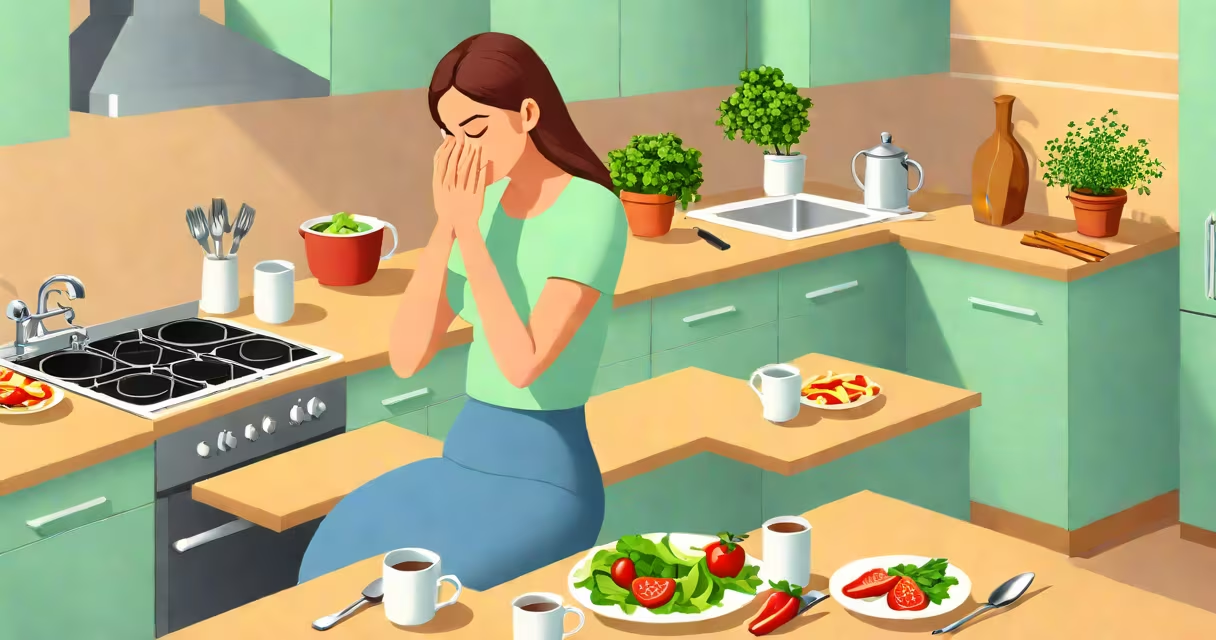
Recurring stomach pain after eating-known medically as postprandial abdominal pain-is often caused by underlying digestive conditions such as gastritis, food intolerances, or irritable bowel syndrome (IBS). This pain typically begins within 30 minutes to two hours after meals and can range from mild cramping to sharp, persistent discomfort.
Unlike acute pain from a sudden injury, postprandial pain develops consistently after eating, suggesting a systemic issue rather than random upset. Common triggers include spicy foods, high-fat meals, alcohol, caffeine, and certain carbohydrates. The condition affects roughly 10-15% of adults globally, according to the American Gastroenterological Association.
While occasional discomfort after eating is normal, frequent or worsening pain signals a need for evaluation. Persistent pain may indicate inflammation, motility disorders, or malabsorption issues. Ignoring it increases risk of complications like peptic ulcers or chronic nutrient deficiencies.
The digestive process involves coordinated muscle contractions, enzyme release, and acid secretion. When any step fails, pain can result. For example, excess stomach acid irritates the lining, leading to gastritis-a condition affecting up to 20% of people in Western countries, per the National Institute of Diabetes and Digestive and Kidney Diseases (NIDDK).
Food intolerances also disrupt digestion. Lactose intolerance, for instance, occurs when the body lacks lactase, the enzyme needed to break down milk sugar. Undigested lactose ferments in the colon, causing bloating, gas, and cramps. Studies show about 68% of adults worldwide have reduced lactase activity, with higher rates in East Asian populations.
Another mechanism involves altered gut motility. In IBS, nerves and muscles in the intestines react abnormally to food, causing spasms. The Rome IV criteria define IBS based on recurring abdominal pain linked to defecation or changes in bowel habits. It affects approximately 11% of the global population, with women twice as likely to be diagnosed as men.
Several conditions cause postprandial pain, each with distinct patterns:
| Condition | Typical Pain Timing | Key Triggers | Distinguishing Features |
|---|---|---|---|
| Gastritis | Minutes to 1 hour after eating | Spicy foods, NSAIDs, alcohol | Burning sensation, nausea, possible vomiting blood |
| Lactose Intolerance | 30-90 minutes after dairy intake | Milk, cheese, yogurt | Bloating, diarrhea, gas-resolves after avoiding dairy |
| IBS (predominantly diarrhea-predominant) | 1-2 hours after meals | Fiber-rich foods, FODMAPs | Pain relief after bowel movement, alternating constipation/diarrhea |
| Small Intestinal Bacterial Overgrowth (SIBO) | 1-3 hours after eating | High-carb meals, fructose | Excessive belching, bloating, nutrient malabsorption |
A key distinction lies in symptom timing and response to dietary changes. Gastritis pain often worsens with acidic or fatty foods and improves with antacids. IBS-related pain tends to follow a pattern tied to specific food groups, especially those high in fermentable oligosaccharides, disaccharides, monosaccharides, and polyols (FODMAPs).
One non-obvious fact: postprandial pain isn't always due to the food itself. Stress and anxiety can amplify gut sensitivity, making mild digestive disturbances feel severe. The brain-gut axis plays a major role-up to 70% of IBS patients report stress as a trigger, according to the North American Society for Pediatric Gastroenterology, Hepatology, and Nutrition.
Not all stomach pain after eating requires intervention-but consistent or worsening pain should prompt evaluation. Red flags include unintentional weight loss, blood in stool, persistent vomiting, or pain that wakes you at night.
I recall testing a low-FODMAP diet with a client who reported daily cramps after lunch. After eliminating onions, garlic, wheat, and dairy, her symptoms improved within five days. She later confirmed a diagnosis of IBS through a hydrogen breath test, which measures bacterial fermentation in the small intestine.
Diagnostic steps typically begin with a detailed history and physical exam. Blood tests may rule out celiac disease or infections. Endoscopy can visualize ulcers or inflammation. A hydrogen breath test detects SIBO, while stool tests assess for parasites or markers of inflammation like calprotectin.
Treatment depends on the root cause. For gastritis, proton pump inhibitors (PPIs) reduce acid production. Lactose intolerance resolves with dietary avoidance. IBS management includes low-FODMAP diets, fiber adjustment, and sometimes antidepressants to modulate nerve signaling.
Small changes yield results. Eating smaller, more frequent meals reduces pressure on the stomach. Chewing thoroughly aids breakdown. Avoiding late-night eating gives the digestive tract time to rest. Keeping a food diary helps identify patterns-many patients discover hidden triggers like artificial sweeteners or carbonated drinks.
Postprandial abdominal pain is not normal. It's a signal. Addressing it early prevents long-term damage. If you've experienced this issue for more than two weeks, consult a gastroenterologist. Early diagnosis leads to faster relief and better quality of life.