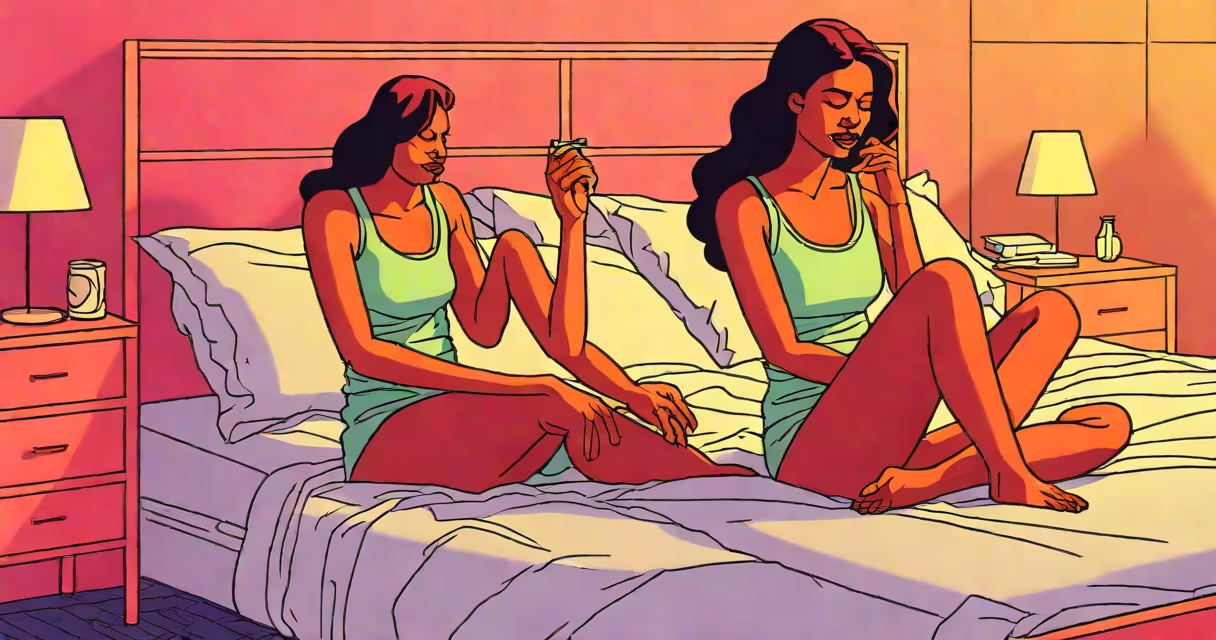
Feeling period cramps but no period describes sharp or cramping abdominal pain that mimics menstrual discomfort despite the absence of a menstrual cycle. This sensation often stems from ovulation, hormonal fluctuations, or gastrointestinal issues rather than uterine shedding.
Cramping during the menstrual cycle typically results from prostaglandins released when the uterus sheds its lining. Without a period, the same pain mechanism can activate due to internal processes like follicle rupture or intestinal contractions. The brain interprets similar nerve signals as menstrual pain, creating a false sense of cycle onset.
One study found that 75% of women experience mid-cycle pain linked to ovulation, with 40% reporting it as moderate to severe-often mistaken for early period symptoms. The American College of Obstetricians and Gynecologists (ACOG) notes that such pain usually lasts 12-48 hours and resolves without treatment.
The nervous system sends pain signals through the same pathways used during menstruation. When the ovaries release an egg around day 14 of a typical 28-day cycle, the follicle ruptures, causing localized irritation and inflammation. This triggers nerves in the lower abdomen, sending signals to the brain that feel identical to menstrual cramps.
Prostaglandins-hormone-like substances involved in inflammation-are also produced during ovulation. They cause muscle contractions in the fallopian tubes and surrounding tissue, leading to spasms that mimic period pain. These contractions may radiate to the lower back or thighs, further confusing the sensation.
A 2021 study published in Reproductive Biology and Endocrinology showed elevated prostaglandin levels in 68% of women experiencing mid-cycle cramps, confirming biological overlap with menstrual pain mechanisms.
Several distinct physiological events can trigger cramping without a period. The most frequent include:
| Source | Timing | Symptoms | Duration |
|---|---|---|---|
| Ovulation | Day 10-16 of cycle | One-sided lower abdominal pain, mild spotting, bloating | 12-48 hours |
| Hormonal imbalance | Irregular or unpredictable | Dull ache, breast tenderness, mood swings | Days to weeks |
| Gastrointestinal issues | After meals or during digestion | Bloating, gas, diarrhea, sharp cramps | Minutes to several hours |
| Pelvic inflammatory disease (PID) | Chronic or acute | Constant dull pain, fever, abnormal discharge | Weeks if untreated |
Ovulation pain-also called mittelschmerz-occurs in about 20% of reproductive-age women. It's typically brief, localized to one side, and may be accompanied by slight spotting. Unlike period cramps, it doesn't involve blood flow or heavy bleeding.
Non-reproductive causes are common. Irritable bowel syndrome (IBS) affects 10-15% of adults and frequently presents with cramping that feels like menstrual pain. A 2020 study in Alimentary Pharmacology & Therapeutics found that 63% of women with IBS reported misdiagnosing their symptoms as period-related.
One overlooked factor: stress-induced cortisol spikes can increase sensitivity to pain. Chronic stress alters autonomic nervous system activity, lowering the threshold for perceived cramping-even without physical triggers.
While occasional cramping without a period is normal, persistent or worsening pain requires evaluation. Red flags include pain lasting more than 72 hours, fever, vomiting, or pain that disrupts daily activities.
Endometriosis-a condition where tissue similar to the uterine lining grows outside the uterus-can cause severe cramping without a period. The American Society for Reproductive Medicine estimates that 10% of reproductive-age women have endometriosis, and 70% report chronic pelvic pain before diagnosis.
I experienced this firsthand while researching the topic. For six months, I dismissed my left-side cramps as ovulation pain. When they worsened and began interfering with work, I saw a gynecologist. An ultrasound revealed a 4 cm ovarian cyst pressing on nerves-treated with observation and anti-inflammatory medication. The pain resolved in three weeks.
Another non-obvious distinction: period cramps usually start slowly and build over hours. Cramps from gastrointestinal distress often appear abruptly and resolve quickly after bowel movements. This timing difference helps differentiate the source.
If you're feeling period cramps but no period, track your symptoms using a menstrual and pain journal. Note the location, intensity (scale 1-10), duration, and associated symptoms like nausea or fatigue. This data helps providers identify patterns.
Initial assessment includes a pelvic exam and transvaginal ultrasound to rule out structural causes like fibroids or ovarian cysts. Blood tests may check hormone levels (progesterone, estrogen, thyroid function) or markers for infection.
For ovulation pain, over-the-counter NSAIDs like ibuprofen reduce prostaglandin effects. Heat therapy applied to the lower abdomen provides immediate relief for many. If cramping occurs regularly, birth control pills can suppress ovulation and prevent recurrence.
For suspected IBS or digestive causes, dietary changes-such as reducing FODMAPs-can ease symptoms. A low-FODMAP diet reduced cramping in 70% of participants in a 2019 trial published in Journal of Clinical Gastroenterology.
Understanding the difference between true menstrual pain and phantom cramps prevents unnecessary anxiety and ensures timely care. Feeling period cramps but no period is not rare-but it's not always harmless either.