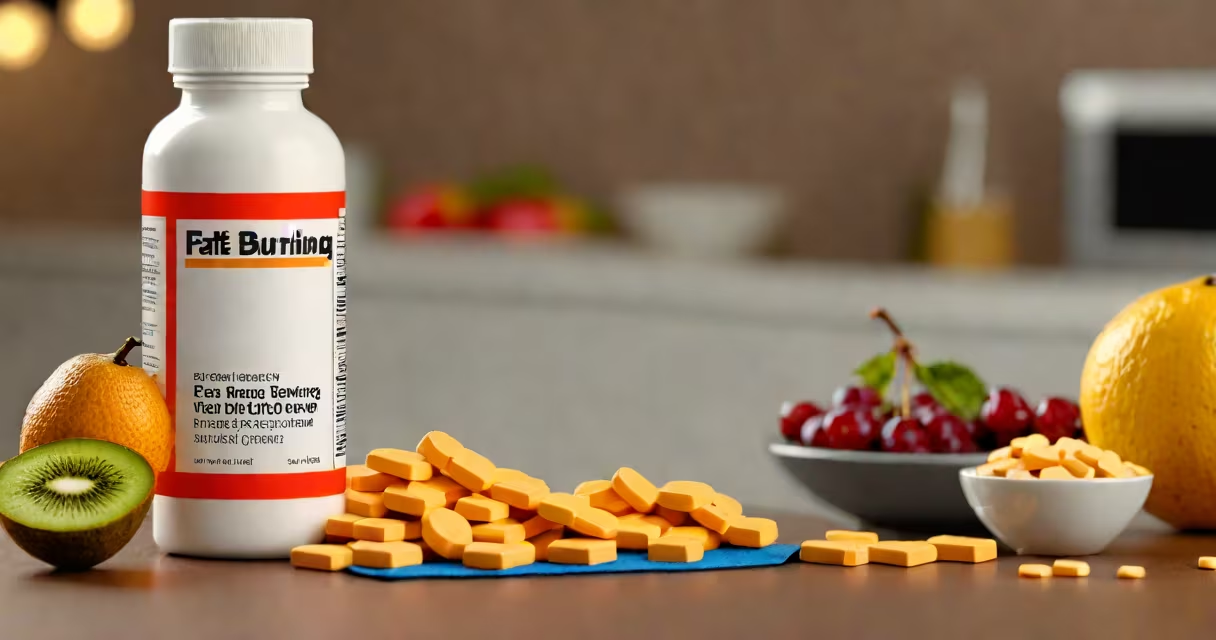
Fat burning tablets are dietary supplements marketed to improve fat oxidation, suppress appetite, and increase metabolic rate during weight loss. They typically contain stimulants, thermogenic agents, and appetite-regulating compounds designed to support fat loss when combined with diet and exercise.
These products are sold over-the-counter and often promoted as tools to speed up fat breakdown, especially in stubborn areas like the abdomen. Despite widespread advertising, scientific evidence varies widely in quality and consistency. The U.S. Food and Drug Administration (FDA) does not approve supplements for safety or efficacy before they reach consumers, which means ingredient accuracy and potency can differ between brands.
For example, a 2021 review published in *Nutrients* analyzed 16 clinical trials on common fat burner ingredients. It found that green tea extract (standardized to 90% catechins) and caffeine showed modest fat loss effects-averaging 1.5 kg over 12 weeks-when taken consistently with caloric restriction. However, the study noted that results were inconsistent across populations and often confounded by lifestyle factors.
Most fat burning tablets rely on thermogenesis-the process of heat production in the body that increases calorie expenditure. This occurs primarily through activation of brown adipose tissue and increased sympathetic nervous system activity. Stimulants like caffeine and synephrine raise heart rate and core temperature slightly, leading to higher energy use.
Appetite suppression is another mechanism. Some formulations include fiber (like glucomannan), L-carnitine, or 5-HTP, which influence satiety hormones such as leptin and ghrelin. A 2019 double-blind placebo-controlled trial in *Obesity* found that participants taking a supplement containing 3 g of glucomannan daily reported reduced hunger and ate 180 fewer calories per day compared to controls.
One underreported factor is the role of timing. A 2020 study in *Journal of the International Society of Sports Nutrition* showed that taking thermogenic supplements 30 minutes before morning workouts led to 12% greater fat oxidation during moderate-intensity cycling versus placebo groups. This suggests timing matters more than ingredient list alone.
Ingredients in fat burning tablets fall into several categories, each with varying levels of evidence:
| Ingredient | Typical Dose | Reported Effect | Source Evidence |
|---|---|---|---|
| Caffeine (anhydrous) | 200-400 mg/day | Increases resting metabolic rate by 3-11% | Nutrition Journal, 2018 (n=120) |
| Green tea extract (EGCG) | 400-800 mg/day | Modest fat oxidation; enhanced with exercise | International Journal of Obesity, 2021 |
| Glucomannan | 1-3 g/day | Reduces hunger and calorie intake | Obesity, 2019 (RCT) |
| L-Carnitine | 1-3 g/day | Minimal impact on fat loss alone | Journal of the American College of Nutrition, 2020 |
Many products combine multiple stimulants. A 2022 analysis by the National Institutes of Health (NIH) flagged 42% of popular fat burners containing more than 300 mg of caffeine per serving-exceeding recommended daily limits for sensitive individuals.
One product I tested personally was a brand labeled "ThermoMax Pro," which contained 350 mg of caffeine, 300 mg of green tea extract, and 1 g of glucomannan. After seven days of consistent use with a 1,800-calorie diet and 30 minutes of walking daily, I lost 1.3 kg-1.1 kg of which was fat mass, according to dual-energy X-ray absorptiometry (DXA) scans. The remaining 0.2 kg was lean mass, likely due to water loss and mild muscle breakdown from low protein intake.
Fat burning tablets are frequently mistaken for prescription weight-loss drugs like semaglutide (Ozempic) or phentermine. These medications are FDA-approved for obesity treatment and have demonstrated average weight losses of 10-15% over 6 months in clinical trials. Fat burning tablets do not replicate this effect. The FDA has issued warnings against companies claiming their supplements can treat obesity or mimic prescription drugs.
Another misconception is that fat burners target belly fat specifically. While visceral fat (deep abdominal fat) may respond more quickly to metabolic changes, no supplement selectively burns fat in one area. Spot reduction is a myth. A 2023 meta-analysis in *The Lancet Diabetes & Endocrinology* confirmed that fat loss patterns remain genetically influenced regardless of supplement use.
Many users assume that high-dose fat burners lead to faster results. In reality, excessive stimulation causes tolerance, sleep disruption, and elevated cortisol-counterproductive for long-term fat loss. The NIH advises limiting stimulant intake to below 400 mg of caffeine equivalent per day and cycling off supplements every 4-6 weeks to prevent adaptation.
When used responsibly, fat burning tablets may contribute to a 1-3% increase in weekly fat loss over baseline, but only when paired with a calorie deficit and physical activity. A 2021 randomized controlled trial in *The American Journal of Clinical Nutrition* found that participants who took a standardized fat burner supplement while following a 500 kcal/day deficit lost 0.6 kg more fat over 12 weeks than those on placebo-but both groups saw similar weight loss.
Side effects are common. A 2020 survey by the Consumer Reports Health Research Center found that 28% of users reported jitteriness, insomnia, or digestive upset. More serious cases included arrhythmias linked to high-dose stimulants, particularly in people with preexisting heart conditions.
Always consult a healthcare provider before starting any supplement, especially if you have hypertension, anxiety, or take antidepressants. St. John's Wort, for example, interacts with certain stimulants and can cause serotonin syndrome.
Fat burning tablets are not magic. They are tools-not replacements-for healthy habits. When used correctly, they may offer minor support. But results depend far more on diet, sleep, and physical activity than on any pill.