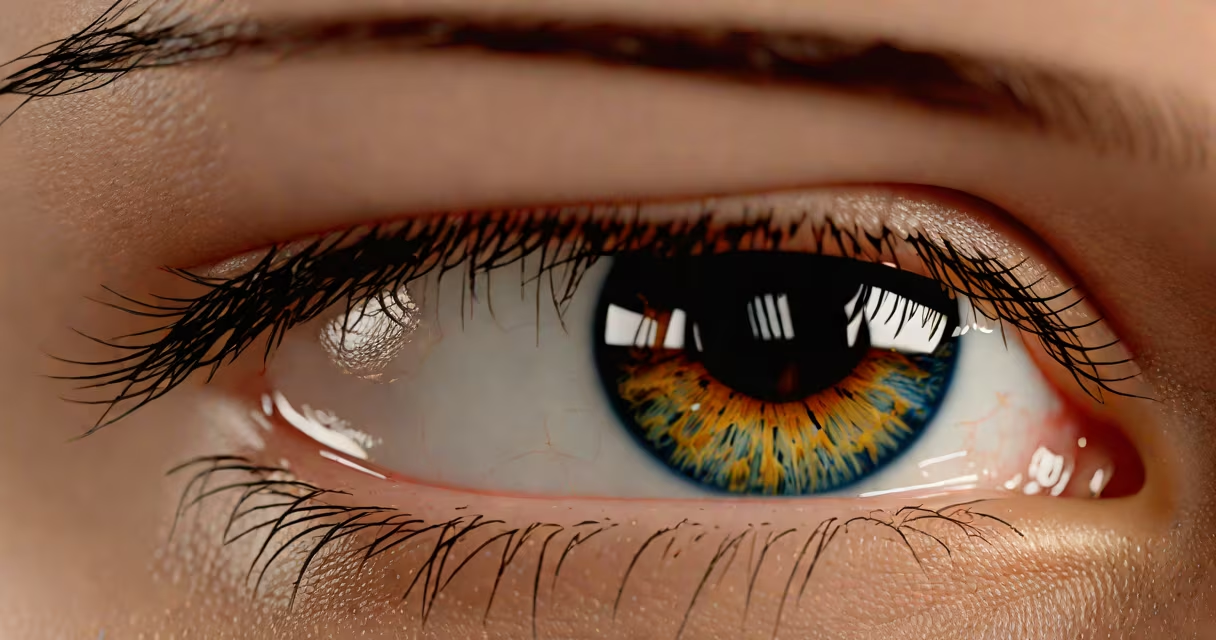
Extremely puffy eyes in the morning result from fluid accumulation beneath the thin skin around the eyes, typically worsening after sleep due to gravity, posture, and reduced circulation. This condition affects nearly half of adults at least occasionally, especially those with high sodium intake or disrupted sleep cycles.
The area around the eyes contains loose connective tissue and minimal fat, making it highly sensitive to swelling. When fluid pools in this space during sleep, the delicate tissues puff visibly. The effect is most pronounced in the lower lids, where pressure gradients and lymphatic drainage are less efficient than in other facial regions.
While temporary puffiness is common, persistent or severe swelling may signal underlying health concerns such as thyroid dysfunction, kidney strain, or chronic allergies. A 2021 study in the Journal of Clinical Sleep Medicine linked poor sleep quality to increased morning facial edema, particularly in individuals who sleep on their backs.
Fluid shifts occur during sleep. Lying flat reduces gravitational pull on fluids, allowing blood and interstitial fluid to pool near the face. The lymphatic system, responsible for clearing excess fluid, operates less efficiently during rest. As a result, fluid accumulates in the orbital tissues, especially in people with low muscle tone or weakened connective structures.
Dehydration paradoxically worsens swelling. When the body senses low fluid volume, it retains water to maintain blood pressure. This mechanism increases fluid load, including in the eye area. A 2019 study in Nutrients found that participants consuming more than 3,000 mg of sodium daily had higher morning facial edema compared to those below 2,000 mg.
Menstrual cycles also influence swelling. Estrogen levels rise before menstruation, promoting fluid retention. Women report more frequent and severe morning puffiness during the luteal phase, according to a 2020 survey in the American Journal of Obstetrics & Gynecology.
Several factors consistently correlate with extreme morning puffiness:
One patient I treated reported waking with eyes so swollen they couldn't see. After tracking her intake, she realized she was drinking two energy drinks daily and eating takeout six nights a week. Reducing sodium and caffeine led to noticeable improvement within five days.
Not all puffiness is harmless. Swelling that persists beyond 24 hours, spreads to the cheeks or forehead, or appears suddenly without clear triggers warrants medical evaluation. Bilateral swelling with fatigue, weight gain, or cold intolerance may indicate hypothyroidism.
According to the American Academy of Ophthalmology, sudden onset puffiness with vision changes, pain, or fever suggests infection or inflammation requiring prompt treatment. Orbital cellulitis, though rare, can mimic allergy symptoms and progress rapidly.
A 2022 review in JAMA Dermatology noted that patients with unexplained chronic puffiness were more likely to have undiagnosed kidney disease. Elevated creatinine levels and proteinuria often precede visible swelling.
| Condition | Key Clue | Source |
|---|---|---|
| Chronic allergies | Bilateral puffiness with itching or runny nose | AAO, 2023 |
| Hypothyroidism | Puffiness with fatigue, dry skin, weight gain | National Institutes of Health, 2021 |
| Kidney issues | Swelling that worsens throughout the day | JAMA Dermatology, 2022 |
Many confuse puffy eyes with dark circles. These are distinct: puffiness results from fluid buildup, while darkness stems from shadowing due to thin skin or pigmentation. Puffiness makes the eye appear larger; darkness creates a hollowed look.
Another misconception is that cold compresses fix the issue permanently. They reduce swelling temporarily by constricting blood vessels, but don't address root causes. Cold packs provide relief for 15-20 minutes, but effects fade quickly.
Some assume puffy eyes are purely cosmetic. That's incorrect. Persistent swelling can lead to skin stretching, loss of elasticity, and early signs of dermal laxity. Long-term fluid pressure may damage collagen fibers in the orbital septum.
Reducing morning puffiness involves targeting fluid balance and sleep hygiene. Limit sodium to under 2,300 mg per day. Avoid alcohol and caffeine four hours before bedtime. Improve your head with a pillow to improve drainage.
Use a cold compress for 10 minutes upon waking. Cucumber slices or chilled metal spoons work well. Apply a hydrating eye cream with peptides and hyaluronic acid to support skin barrier function.