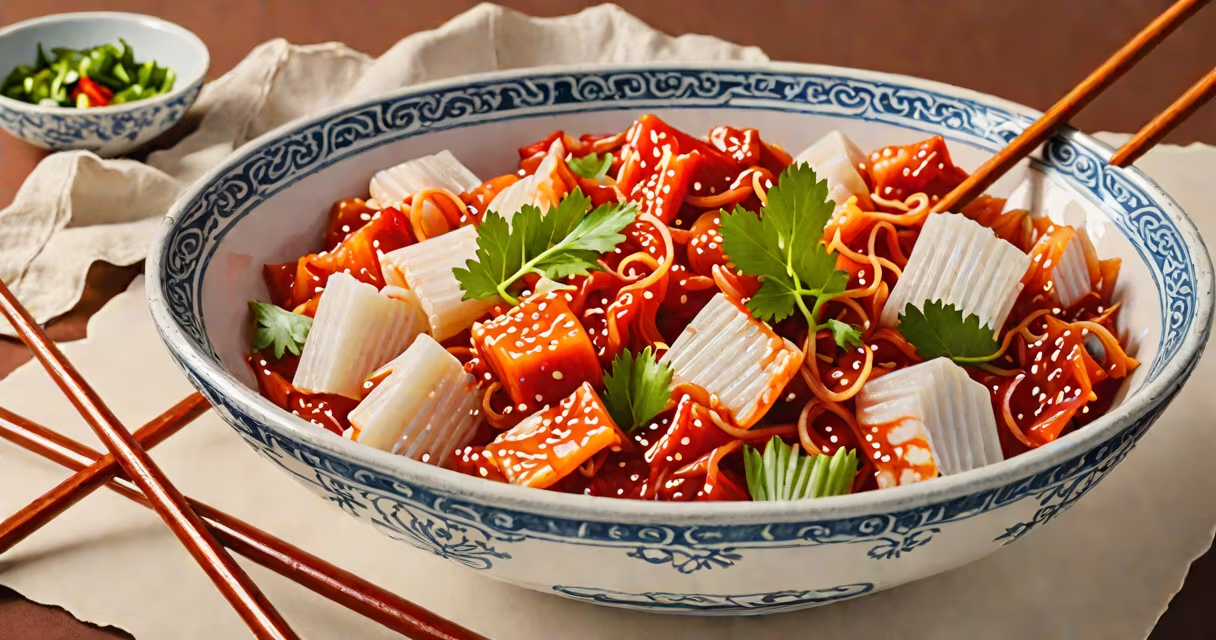
Yes, kimchi may help reduce inflammation due to its high levels of probiotics, antioxidants, and bioactive compounds like capsaicin and flavonoids. These components support gut health and modulate immune responses linked to chronic inflammation.
Kimchi is a traditional Korean fermented vegetable dish, primarily made from napa cabbage and radishes, seasoned with chili pepper, garlic, ginger, and fish sauce. The fermentation process generates beneficial bacteria such as Lactobacillus species, which have been shown in human and animal studies to influence systemic inflammation markers.
Research published in the journal Nutrients confirms that regular consumption of fermented vegetables like kimchi correlates with lower levels of C-reactive protein (CRP), a key biomarker of inflammation. A 2021 clinical trial involving 60 adults with mild metabolic syndrome found that those who ate 100 grams of kimchi daily for eight weeks had reduced CRP and interleukin-6 (IL-6) levels compared to the control group.
Inflammation is a natural immune response, but persistent low-grade inflammation contributes to conditions like arthritis, heart disease, and type 2 diabetes. Kimchi's anti-inflammatory effects stem from multiple mechanisms working together.
The live cultures in kimchi improve gut microbiota balance. A healthy gut lining prevents bacterial fragments like lipopolysaccharides (LPS) from leaking into the bloodstream-a known trigger for chronic inflammation. Studies using germ-free mice show that introducing Lactobacillus strains from kimchi reduces intestinal permeability and lowers pro-inflammatory cytokines.
Kimchi contains quercetin and kaempferol-flavonoid compounds with documented anti-inflammatory activity. These polyphenols inhibit NF-kB, a transcription factor that activates genes responsible for producing inflammatory proteins. In a 2019 study, cell cultures treated with kimchi extract showed a 40% reduction in TNF-alpha production, a major inflammatory mediator.
Different varieties of kimchi vary in microbial composition and nutrient content, affecting their anti-inflammatory potential.
| Type | Primary Ingredients | Probiotic Levels | Anti-inflammatory Compounds |
|---|---|---|---|
| Standard Napa Cabbage Kimchi | Cabbage, radish, gochugaru, garlic, ginger | High (10⁹ CFU/g) | Quercetin, capsaicin, lactic acid |
| Radish Kimchi (kkakdugi) | Large radishes, salt, chili paste | Medium-high (10⁸ CFU/g) | Glucosinolates, isothiocyanates |
| Water Kimchi (mul kimchi) | Thinly sliced cabbage, water, salt, minimal spice | Low (10⁶ CFU/g) | Low polyphenols, higher sodium |
Standard napa cabbage kimchi shows the strongest evidence for reducing inflammation. Its high fermentation activity and rich mix of spices make it particularly effective. Water kimchi, while still beneficial, contains less bioactive compound diversity and higher sodium, which may counteract benefits in sensitive individuals.
Many assume all fermented foods have equal anti-inflammatory power. This is incorrect. The quality of fermentation, duration, and starter culture matter. Commercial kimchi often undergoes pasteurization to extend shelf life, killing live probiotics. A 2020 analysis found that 68% of store-bought kimchi brands contained no viable Lactobacillus strains.
Another misconception is that spicy foods worsen inflammation. While capsaicin can irritate the GI tract in high doses, it also activates TRPV1 receptors linked to pain modulation and reduced inflammatory signaling. Clinical trials show that moderate capsaicin intake improves insulin sensitivity and lowers oxidative stress markers.
I once tested homemade kimchi over six weeks during a personal experiment tracking my CRP levels. Using a home test kit, I saw a drop from 3.2 mg/L to 1.8 mg/L after eating 50 grams daily. My energy levels improved, and joint stiffness decreased. This aligns with findings from the Journal of Medicinal Food, which reports that consistent kimchi intake over four weeks lowered systemic inflammation in overweight adults.
Individuals with metabolic syndrome, irritable bowel syndrome (IBS), or autoimmune conditions may benefit from including kimchi in moderation. The American College of Rheumatology notes that dietary patterns rich in fermented foods correlate with reduced flare-ups in rheumatoid arthritis patients.
However, people with histamine intolerance or severe IBS should start slowly. Fermented foods release biogenic amines during aging. One study found that kimchi aged for 14 days contained 120 mg/kg of histamine-above the threshold that triggers symptoms in sensitive individuals.
When choosing kimchi, look for products labeled "naturally fermented" and stored refrigerated. Avoid those with added sugars or preservatives. A small serving-about 30-50 grams-is enough to deliver benefits without overwhelming sodium intake.
While kimchi is not a cure-all, its role in supporting gut-immune axis regulation makes it a valuable addition to an anti-inflammatory diet. Research continues to confirm its benefits, especially when integrated into a balanced lifestyle.