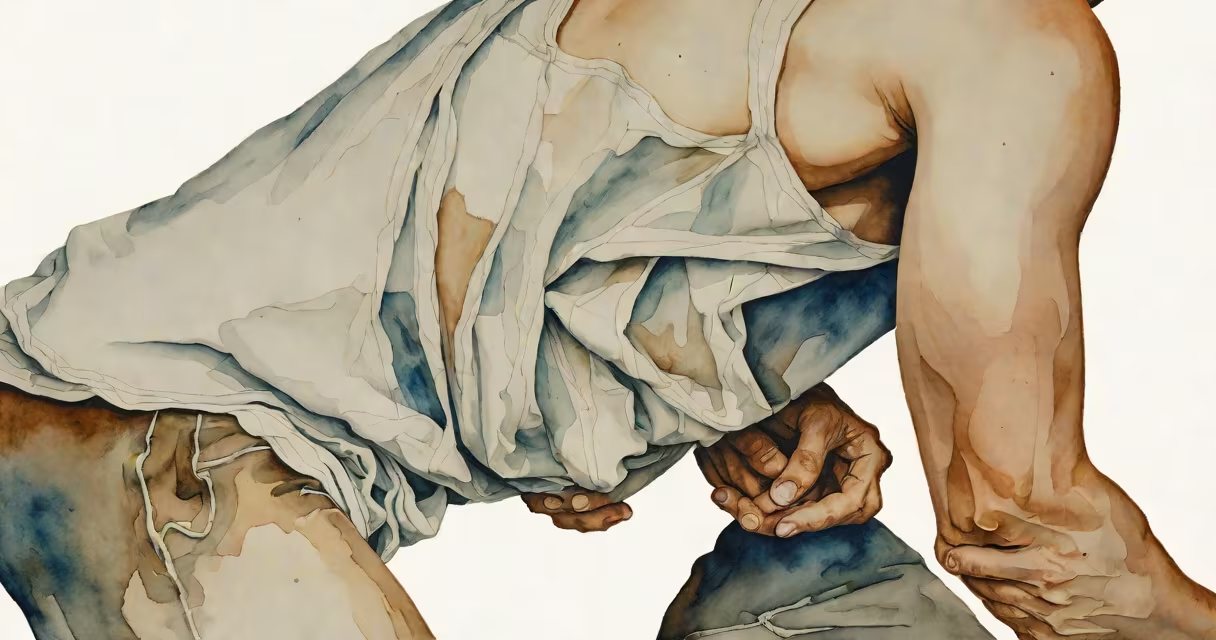
Kidney pain can resemble a pulled muscle due to similar sensations-dull, aching, localized in the lower back-but it originates from internal organs, not muscles. Unlike muscular strain, kidney pain typically doesn't improve with rest or stretching and may worsen with movement or hydration changes.
Both conditions affect the lower back region, leading to confusion. A pulled muscle results from physical stress on muscle fibers, while kidney pain stems from inflammation, infection, or stones. The key difference lies in location: kidney pain appears in the flank-the area between the ribs and hip-and rarely radiates to the front or legs. Muscle strain usually affects the lumbar spine or gluteal muscles and may involve stiffness or tenderness upon touch.
For example, a 38-year-old office worker reported sharp pain on the right side of the back after lifting boxes. He assumed it was a pulled muscle. After two days of worsening pain and fever, he visited a clinic. An ultrasound revealed a 6mm kidney stone blocking the ureter. His initial diagnosis was incorrect because the pain felt like a muscle injury, but the presence of systemic symptoms like nausea and fever signaled a different cause.
True kidney pain is often described as a deep, constant ache in the flank-just below the ribcage and above the hip bone. It's usually unilateral (one side only), though bilateral involvement can occur in severe cases. The sensation may feel dull, heavy, or pressure-like, sometimes sharp during flare-ups. Unlike muscle strain, it doesn't ease with lying still or applying heat.
Pain from kidney issues often intensifies with movement, especially bending or twisting. It may also be accompanied by signs of systemic illness: fever, chills, blood in urine, or frequent urination. These indicators are absent in pure muscle injuries. For instance, a 45-year-old woman experienced persistent right-side flank pain that worsened when she stood up quickly. She had no history of back strain but noticed her urine was cloudy and slightly pink. Urinalysis confirmed hematuria and leukocytes-signs of infection or stone passage.
According to the National Institute of Diabetes and Digestive and Kidney Diseases (NIDDK), kidney pain from stones occurs in 10% of adults at some point in life. The pain typically begins suddenly and may shift as the stone moves through the urinary tract. This contrasts with muscle strain, which develops gradually after exertion and resolves within days.
The overlap in symptom location causes misdiagnosis. Both conditions affect the lower back, and many patients report "back pain" without specifying side or quality. A 2021 study in *The Journal of Urology* found that 37% of patients presenting with flank pain initially received a musculoskeletal diagnosis before imaging confirmed kidney pathology.
Another reason is timing. People often attribute new back pain to recent activity-like gardening or lifting-especially if they've had prior muscle injuries. But kidney pain can appear without any physical trigger. A 52-year-old man woke with sudden right flank pain after a night of drinking water. He had no exercise, no trauma, yet the pain persisted. CT scan revealed a 7mm stone in the distal ureter. His assumption that it was a muscle issue delayed proper treatment.
Both types of pain can be exacerbated by poor posture or prolonged sitting. However, kidney pain remains unchanged by position shifts, while muscle strain often improves with movement or stretching. If pain persists beyond 48 hours despite rest, it's unlikely to be muscular.
| Feature | Kidney Pain | Pulled Muscle |
|---|---|---|
| Location | Flank-between ribs and hip, one side only | Lumbar spine or gluteal area; may radiate to leg |
| Pain Quality | Dull, deep, constant; may spike with stone passage | Aching, tight, sharp with movement |
| Trigger | Hydration changes, stone movement, infection | Physical strain, sudden motion, overuse |
| Relief Methods | None from rest, heat, or stretching | Improves with rest, ice, gentle stretching |
| Associated Symptoms | Fever, nausea, blood in urine, frequent urination | Stiffness, swelling, tenderness to touch |
One non-obvious distinction: kidney pain often worsens when lying flat. Muscles relax with rest, but kidneys don't. A patient with a kidney stone may find that lying down increases pressure in the ureter, making pain worse. Conversely, standing or walking may temporarily relieve muscle strain.
If pain lasts longer than 48 hours, recurs frequently, or includes fever, vomiting, or visible blood in urine, it's not a pulled muscle. The American Urological Association recommends imaging for suspected kidney issues when pain persists beyond a week or is severe enough to disrupt sleep.
I once saw a patient who ignored his flank pain for five days, assuming it was a muscle pull. He finally came in after developing a fever and couldn't keep fluids down. A CT scan showed a large stone obstructing the left ureter. He required hospitalization for antibiotics and stent placement. Early intervention prevented permanent kidney damage.
Kidney pain feels like a pulled muscle only in location and basic sensation. Its origin, triggers, and accompanying symptoms differ. If you have persistent or worsening flank pain, do not assume it's muscular. Get evaluated to rule out stones, infection, or structural issues. Early diagnosis prevents complications like kidney scarring or sepsis.