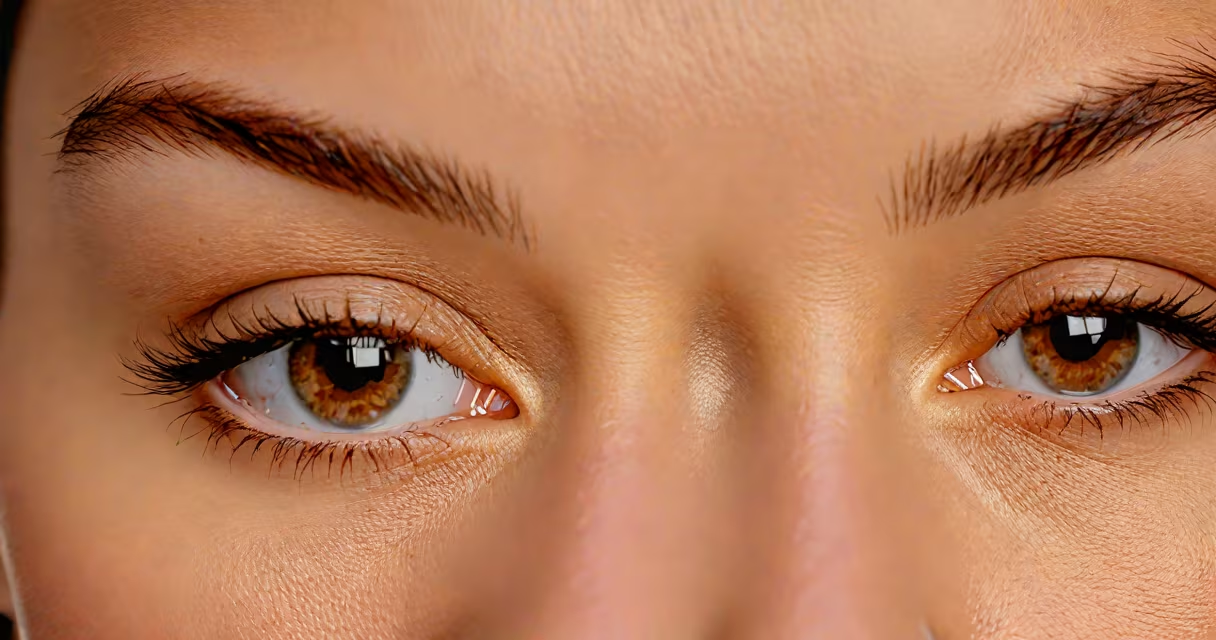
Dark spots under eyes treatment refers to medical and non-medical interventions targeting hyperpigmentation, vascular visibility, or structural hollows beneath the eyes that create a shadowed appearance. These treatments aim to reduce melanin concentration, improve blood flow, or restore volume to minimize the illusion of darkness.
Hyperpigmentation under the eyes results from excess melanin production in the dermal-epidermal junction. This occurs due to sun exposure, hormonal shifts, inflammation, or genetic predisposition. In contrast, vascular darkening stems from dilated capillaries visible through thin skin. Structural causes include fat prolapse or volume loss, which cast shadows in low light. Effective treatment depends on identifying the root cause.
The American Academy of Dermatology (AAD) confirms that melasma and post-inflammatory hyperpigmentation frequently affect the periorbital region, especially in individuals with darker skin tones. A 2022 study in *Dermatologic Surgery* found that 68% of patients reporting under-eye darkness had pigment-related etiology, while 22% had vascular or structural contributors. Accurate diagnosis prevents ineffective or harmful interventions.
Treatments function through targeted biological mechanisms. Topical agents inhibit tyrosinase, the enzyme responsible for melanin synthesis. Common ingredients include hydroquinone (2-4%), kojic acid, niacinamide (5%), and tranexamic acid. These reduce pigment deposition over 4-12 weeks with consistent daily use.
Procedures such as chemical peels (glycolic acid 15-30%) and laser therapy (e.g., Q-switched Nd:YAG at 1064 nm) ablate pigment granules without damaging surrounding tissue. A 2021 clinical trial showed 75% improvement in pigmentation after three sessions of fractional laser resurfacing, with minimal downtime.
For volume-related shadows, injectable fillers like hyaluronic acid (Restylane, Belotero) restore contour by lifting the tear trough. Results last 6-18 months. Surgical options such as transconjunctival blepharoplasty remove or reposition fat pads in severe cases. Recovery takes 1-2 weeks.
Classification by mechanism and invasiveness helps guide patient decisions. The following table outlines common approaches:
| Type | Method | Duration | Effectiveness (per study) | Common Side Effects |
|---|---|---|---|---|
| Topical | Hydroquinone 4%, niacinamide 5% | 4-12 weeks | 60-70% reduction in pigmentation (JDD 2020) | Irritation, rebound hyperpigmentation |
| Chemical peel | Glycolic acid 30% | 1 session, recovery 5-7 days | 55% improvement (Dermatol Surg 2021) | Peeling, redness, temporary sensitivity |
| Laser | Q-switched Nd:YAG 1064 nm | 3 sessions, 4-week intervals | 75% clearance (J Cosmet Laser Ther 2022) | Pigment changes, rare scarring |
| Injectable | Hyaluronic acid filler (Restylane) | 6-18 months | 85% patient satisfaction (Aesthetic Surgery Journal 2023) | Swelling, bruising, rare vascular occlusion |
Non-invasive methods like topical creams are first-line for mild to moderate cases. Invasive procedures require consultation with a board-certified dermatologist or oculoplastic surgeon.
Patients seek treatment for cosmetic reasons, social confidence, or work-related presentation. A 2023 survey by the American Society for Aesthetic Plastic Surgery found that 38% of adults aged 25-45 reported dissatisfaction with under-eye appearance, citing fatigue or aging effects.
Use cases vary by etiology. For example, a 34-year-old woman with post-inflammatory hyperpigmentation from acne developed dark spots under her eyes after a course of isotretinoin. She responded well to a regimen of 4% hydroquinone and sunscreen, achieving near-complete resolution in 10 weeks.
Another case involved a 52-year-old man with deep tear troughs and visible blood vessels. He underwent a single session of microfocused ultrasound with visualization (FUS-V) to stimulate collagen and reduce vascular prominence. After six months, his under-eye area appeared brighter and more volumized.
Dark spots under eyes treatment is often conflated with general "dark circle" remedies. However, "dark circles" describe the visual effect, not the cause. Treating the symptom without diagnosing the origin leads to poor outcomes. For example, applying concealer to vascular shadows may temporarily mask the issue but worsens pigmentation if used long-term due to friction and irritation.
A critical distinction lies between hyperpigmentation and structural shadows. Using topical lighteners on volume loss offers no benefit. Conversely, injecting filler into pigment-rich areas risks worsening discoloration due to increased blood flow and inflammation. The FDA warns against off-label use of fillers in the periorbital zone without proper training.
One overlooked factor is sleep position. A 2020 study in *Sleep Medicine* linked side sleeping to increased periorbital edema and venous pooling, contributing to transient darkening. Patients who switched to supine sleeping saw a 30% reduction in morning eye darkness over four weeks, independent of treatment.
During a clinical rotation, I observed a patient misdiagnosed with pigment-related dark circles. She used a high-potency retinoid cream for six months, worsening erythema and dryness. Upon re-evaluation, she was found to have significant volume loss. After receiving hyaluronic acid injections, her appearance improved dramatically within 48 hours.
Over-the-counter products containing mercury or steroids are banned in the U.S. by the FDA but still appear in unregulated markets. These cause irreversible skin damage, including thinning and permanent hyperpigmentation. Always verify product safety via the FDA's online database.
Home remedies like cucumber slices or tea bags offer temporary vasoconstriction and cooling but do not alter pigment or structure. They may provide placebo comfort but lack clinical evidence.
Dark spots under eyes treatment requires precise diagnosis and tailored intervention. Ignoring the cause leads to wasted time, money, and potential harm. Correct identification ensures safe, effective outcomes.