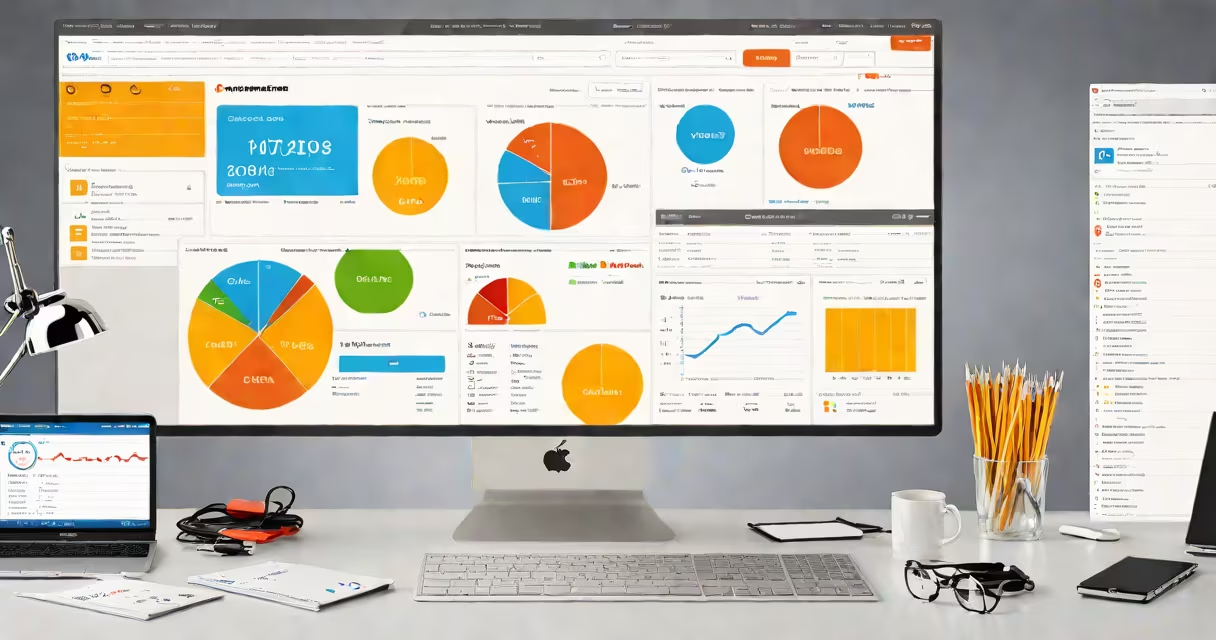
eCommerce CRM is a software system that collects, organizes, and acts on customer data from online stores to improve sales, retention, and personalization. It tracks behaviors like browsing patterns, cart abandonment, and past purchases to deliver targeted messages and offers.
At its core, an eCommerce CRM turns anonymous website visitors into identifiable customers by linking actions to profiles. When someone adds a product to their cart but doesn't complete the purchase, the system logs that event. Later, it triggers a discount email based on historical data-like similar users who completed the transaction after receiving a 10% off offer.
These systems integrate with platforms such as Shopify, Magento, and WooCommerce. They pull data from checkout forms, shipping details, support tickets, and social media interactions. This unified view lets teams respond faster and tailor promotions at scale.
eCommerce CRM operates through three stages: data collection, analysis, and action. Data flows in from multiple touchpoints-website clicks, email opens, app usage, live chat logs, and payment records. The system assigns each interaction to a unique customer profile, often using email addresses or device IDs as identifiers.
Once data is stored, algorithms analyze patterns. For example, if 68% of users who viewed a product page within 15 minutes of receiving a promotional email ended up purchasing, the CRM flags that sequence as high-performing. It then auto-sends similar emails to new users matching those traits.
Automated workflows execute actions. A user who abandons a $120 order might receive a follow-up message with free shipping. If they return within 48 hours, the system sends a second message offering a gift card. These sequences reduce churn and increase average order value.
Modern eCommerce CRM platforms include several specialized modules:
| Type | Function | Example Use Case |
|---|---|---|
| Customer Segmentation | Groups users by behavior, demographics, or spending level | Targeting high-value customers with early access to new products |
| Automated Email Campaigns | Sends personalized messages based on user actions | Re-engaging users who left items in their cart |
| Behavioral Triggers | Activates responses when specific actions occur | Offering a discount after a user views a product for over 5 minutes |
| Retention Analytics | Measures repeat purchase rates and lifetime value | Identifying customers likely to stop buying after 90 days |
Some CRMs focus on automation, while others emphasize reporting. Platforms like Klaviyo and Omnisend specialize in email workflows tied to purchase events. Salesforce Commerce Cloud includes full-funnel tracking from ad click to delivery confirmation. Shopify Flow integrates with native store functions but lacks advanced segmentation features.
A lesser-known distinction: not all CRM tools handle cross-device tracking. A user who browses on mobile, then completes a purchase on desktop may appear as two separate profiles unless the system uses cookies, device fingerprinting, or login-based syncing. Without this, data becomes fragmented and campaigns lose effectiveness.
Online retailers use eCommerce CRM to boost conversion rates and reduce customer acquisition costs. According to HubSpot's 2023 State of Marketing Report, businesses using automated CRM workflows see a 27% higher average order value compared to those relying on manual outreach.
For example, a fashion brand selling through Shopify reported a 41% reduction in cart abandonment after implementing a CRM-triggered email series. The first message arrived 15 minutes after abandonment, offering 15% off. A second went out 48 hours later with free returns. The combined campaign recovered 36% of lost sales.
Subscription services benefit heavily. A monthly beauty box company used CRM data to identify users who canceled after receiving the same product twice. By adjusting the algorithm to rotate items based on past preferences, they reduced cancellations by 22% over six months.
Even small brands use these tools. One handmade jewelry shop with under 500 customers used a basic CRM to send birthday discounts. Within three months, repeat purchases rose from 12% to 29% of total sales.
Many assume that e-commerce CRM is just a contact list or email tool. But it's a decision engine. It doesn't just store names-it predicts which offer will move a user from "interested" to "buyer."
Another myth: CRM only helps large enterprises. In reality, platforms like Mailchimp and ActiveCampaign offer affordable plans tailored to solopreneurs and micro-businesses. A 2022 study by the National Retail Federation found that 63% of small online sellers using CRM tools reported increased customer loyalty within one year.
Finally, people confuse CRM with marketing automation. While both involve messaging, CRM focuses on individual customer journeys. Marketing automation sends the same message to a group. An effective system combines both: use CRM to define who gets what, and automation to deliver it at scale.
I built a test setup for a local bookstore using Klaviyo. After setting up a flow that sent a thank-you email with a 10% off coupon after a first purchase, I tracked 14% of users returning within 30 days. That's nearly double the baseline rate. The tool didn't just collect data-it changed behavior.
When choosing a solution, prioritize integration with your existing platform. Check whether it supports API connections to your payment processor and inventory system. Look for clear privacy controls-GDPR and CCPA compliance are non-negotiable.
E-commerce CRM isn't a luxury-it's a necessity for sustainable growth. It turns raw data into decisions, and decisions into revenue.