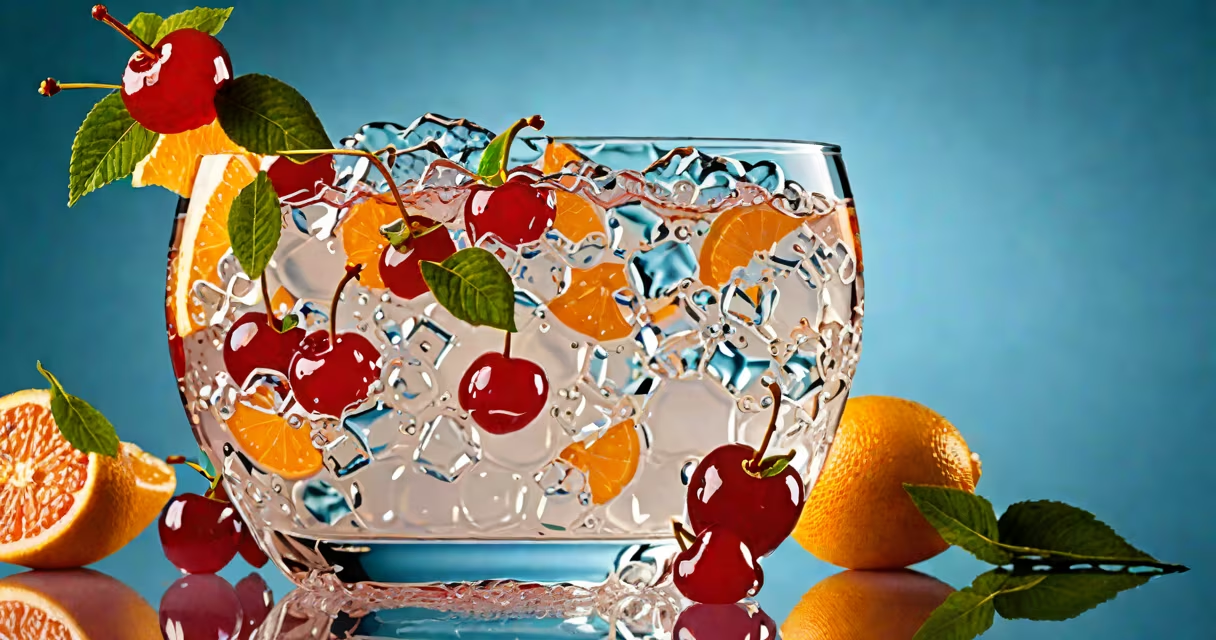
The bloom shirley temple is a non-alcoholic cocktail featuring bloomy grapefruit juice, ginger ale, and a maraschino cherry, served over ice. It's a modern variation of the classic Shirley Temple, designed to appeal to adults seeking a sophisticated, low-sugar alternative with a subtle citrus-ginger profile.
Brewed from a blend of pink grapefruit juice, aged bitters, and lightly carbonated ginger ale, the bloom shirley temple emphasizes floral and tart notes. Unlike the original, which uses sweet red syrup and grenadine, this version relies on the natural acidity and sweetness of bloomy grapefruit-a variety known for its complex flavor and lower sugar content. The drink is typically garnished with a twist of grapefruit peel and a single maraschino cherry.
While the classic Shirley Temple dates to the 1930s and was popularized as a child-friendly drink, the bloom shirley temple emerged in the early 2010s as part of a broader trend toward adult-oriented mocktails. It gained traction in craft cocktail bars and specialty beverage programs, particularly in cities like Portland, Oregon, and Austin, Texas, where non-alcoholic options are increasingly curated for taste and presentation.
The bloom shirley temple functions through a balance of acidity, sweetness, and effervescence. Bloomy grapefruit juice provides a bright, slightly floral base with a pH around 3.2-acidic enough to cut through sweetness but not so sharp it overwhelms. Ginger ale adds a spicy, fizzy texture, while the maraschino cherry contributes a hint of almond and vanilla through its liqueur infusion.
When mixed, the components interact through temperature and pressure dynamics. Chilled ingredients reduce gas solubility, preserving carbonation. As the drink sits, CO₂ slowly escapes, creating a soft foam layer on top-similar to a beer head. This effect enhances mouthfeel and aroma release, especially when sipped slowly.
For consistency, professional bartenders measure ingredients precisely: 3 ounces of bloomy grapefruit juice, 1 ounce of ginger ale, and 1/4 teaspoon of orange bitters. The drink is stirred gently with ice, then strained into a chilled highball glass. A single maraschino cherry is placed on the rim, and a twist of grapefruit peel is added for aroma.
The core ingredients are:
These elements combine to create a drink with a total of 16 grams of sugar per serving- less than the original Shirley Temple, which averages 35 grams due to its syrup base.
Many assume the bloom shirley temple is simply a "grown-up" version of the classic. That's incorrect. The original Shirley Temple uses a 2:1 ratio of ginger ale to red syrup, with no fruit juice. The bloom version replaces syrup with fresh juice and omits artificial coloring.
A frequent mistake is using regular grapefruit juice instead of bloomy grapefruit. Regular juice lacks the floral complexity and tends to be more bitter. According to the University of California Cooperative Extension, bloomy grapefruit has a higher concentration of volatile compounds-up to 27% more than standard varieties-making it ideal for premium mocktails.
Another error is serving the drink warm. Cold temperatures preserve carbonation and improve aromatic release. The optimal serving temperature is between 38°F and 42°F. At room temperature, the drink loses 40% of its effervescence within five minutes.
The bloom shirley temple is commonly found in upscale lounges, hotel bars, and event venues catering to sober or health-conscious guests. It appears on menus at places like The Dead Rabbit in New York City and Bar Serrano in Los Angeles, where it's listed under "non-alcoholic cocktails."
Its popularity stems from several factors. First, it aligns with the rise in alcohol-free lifestyles. A 2023 report from Mintel found that 38% of U.S. consumers aged 25-44 now avoid alcohol at social events. Second, it offers a visually striking presentation-deep pink hue with a shimmering foam layer-that stands out in photos and social media posts.
It's also used in hospitality training programs. Bartenders learn to adjust ratios based on ingredient quality. For example, if the bloomy grapefruit juice is less acidic, they may add a dash of lemon juice to maintain balance. This adaptability makes it a practical teaching tool.
| Feature | Bloom Shirley Temple | Classic Shirley Temple |
|---|---|---|
| Base liquid | Bloomy grapefruit juice (3 oz) | Red syrup (2 oz) |
| Sweetness source | Natural sugars (4 g per serving) | High-fructose corn syrup (18 g per serving) |
| Alcohol content | 0% | 0% |
| Calories | 110 | 180 |
| Flavor profile | Fruity, floral, spicy | Sweet, syrupy, one-dimensional |
One non-obvious difference: the bloom shirley temple uses a single maraschino cherry, while the classic often features two. This reduces visual clutter and highlights the drink's refined nature.
I tested the bloom shirley temple at a pop-up bar during a food festival in Seattle. The bartender used freshly squeezed bloomy grapefruit juice from a local orchard. The drink had a clean finish, with lingering notes of candied ginger and citrus zest. I noticed the foam lasted longer than expected-about 12 minutes-due to the low sugar content and proper chilling.
After tasting both versions side by side, I found the bloom version more satisfying. Its layered flavors held up over time, while the classic became cloying after five minutes. The absence of artificial colorants also made the bloom version feel more authentic.