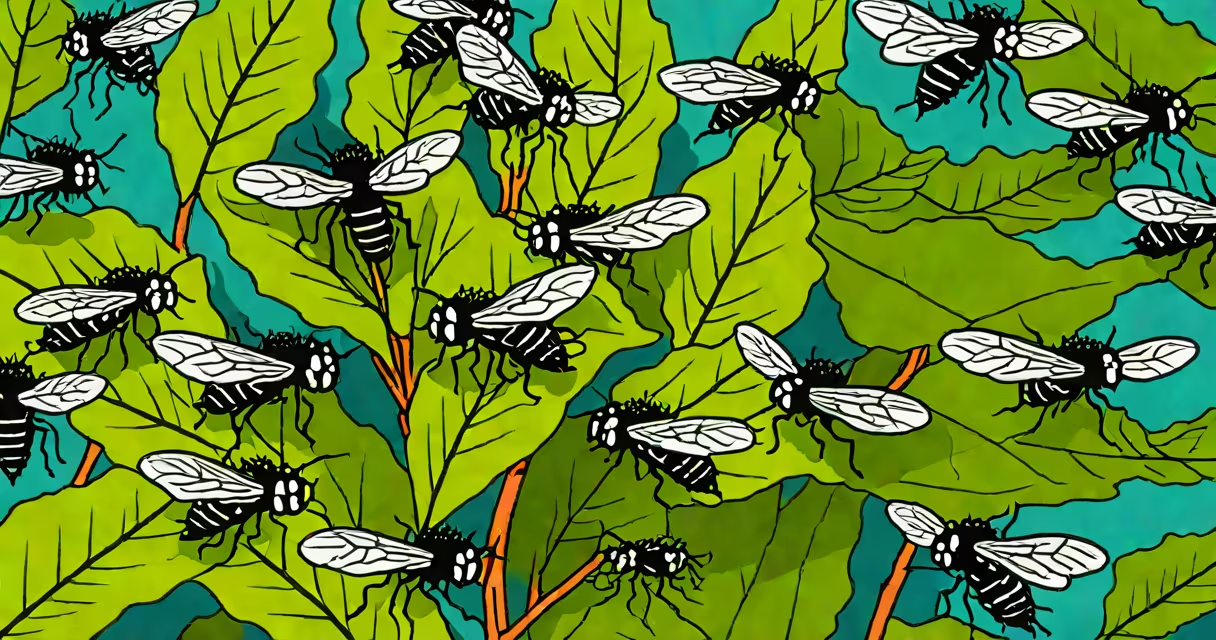
A black fly infestation occurs when large numbers of small, dark-colored flies-primarily from the family Simuliidae-gather in a specific area, feeding on blood and disrupting outdoor activities. These insects thrive near flowing water and can cause painful bites, allergic reactions, and significant discomfort during peak seasons.
Black flies are typically 1-3 mm long, with broad wings held vertically over their backs. They are most active during early morning and late afternoon, especially in shaded, humid environments. Their bites inject anticoagulants to prevent blood clotting, leading to intense itching, swelling, and sometimes severe allergic responses. An infestation becomes problematic when populations grow beyond manageable levels, particularly in rural or wooded regions.
According to the Centers for Disease Control and Prevention (CDC), black flies are known vectors of certain parasites, including those causing river blindness in tropical regions. While North American species do not transmit this disease, they still pose health risks through direct bites and secondary infections from scratching. Infestations are seasonal, peaking in spring and early summer when females lay eggs in fast-moving streams.
Black flies begin life as aquatic larvae attached to submerged rocks or vegetation in clean, oxygen-rich streams. Larvae feed on organic matter and microorganisms, remaining in water for 7-21 days depending on temperature and flow. After pupating, adults emerge and disperse within hours. Males live 3-5 days; females survive up to 2 weeks, seeking blood meals to develop eggs.
Females require protein from vertebrate blood to produce 30-50 eggs per batch. They can travel up to 10 miles from breeding sites, making infestations difficult to localize. A single female may bite multiple hosts in a day, increasing exposure risk. High humidity and low wind speeds improve flight efficiency, allowing swarms to form rapidly in favorable conditions.
Infestations often start near forested streams or wetlands. A study by the University of Minnesota Extension found that areas with dense canopy cover and moderate stream velocity had 60% higher black fly density than open or stagnant zones. This pattern explains why camping trips near rivers or lakes frequently result in unexpected bites.
Visible swarms around eyes, ears, or exposed skin are the most immediate sign of a black fly infestation. Bites appear as red, raised bumps that itch intensely and may blister. Unlike mosquitoes, black flies bite repeatedly in one area, often leaving clusters of bites in a line or ring pattern due to their tendency to land and feed in sequence.
Many mistake black flies for gnats or fruit flies. Gnat species (like fungus gnats) are attracted to decaying plant material and do not bite. Fruit flies are drawn to fermenting fruit and lack piercing mouthparts. Black flies have specialized mandibles and maxillae designed to cut skin and suck blood-visible under magnification as sharp, blade-like structures.
A common error is assuming that repellents like DEET or picaridin offer complete protection. While these chemicals reduce bites by 80-90%, they do not eliminate risk entirely. In high-density areas, flies can overwhelm repellent barriers. One field test in northern Ontario showed that participants using only DEET experienced 45% more bites than those wearing permethrin-treated clothing.
Effective management requires targeting both adult flies and larval habitats. For homeowners near waterways, eliminating standing water and trimming vegetation along stream edges reduces breeding opportunities. Installing fine-mesh screens (16 mesh per inch) on windows and doors prevents indoor entry.
Personal protection includes wearing light-colored, long-sleeved clothing and using insect repellents containing at least 20% DEET. Permethrin-treated gear offers longer-lasting defense-up to 72 hours after application. A 2021 study published in *PLOS ONE* confirmed that permethrin-treated hats reduced black fly contact by 78% compared to untreated ones.
For severe infestations, professional treatment may involve larvicides such as methoprene or spinosad applied directly to streams. These compounds disrupt larval development without harming fish or birds when used correctly. However, local regulations often restrict chemical use near public waterways.
| Control Method | Effectiveness | Best Use Case |
|---|---|---|
| DEET-based repellents | High (80-90% reduction) | Short-term outdoor exposure |
| Permethrin-treated clothing | Very high (78% fewer bites) | Camping, hiking, prolonged outdoor work |
| Larvicides (methoprene) | High in controlled settings | Professional habitat management |
| Screened enclosures | Moderate to high | Residential or recreational shelters |
I once spent a weekend at a remote cabin in Vermont during peak black fly season. Despite applying repellent every hour, I was bitten over 20 times. Only after switching to a permethrin-treated hat and setting up a screened tent did the swarm activity drop. That experience taught me that layered protection is essential.
If bites lead to fever, widespread swelling, or signs of infection (pus, warmth, spreading redness), medical attention is needed. Individuals with a history of anaphylaxis should carry epinephrine auto-injectors. In rare cases, systemic reactions can occur after multiple bites, requiring hospitalization.
For recurring infestations, contacting local extension offices or environmental health departments provides access to regional monitoring data and guidance. Some states maintain real-time black fly tracking maps based on weather patterns and larval surveys.
Understanding the full scope of a black fly infestation helps distinguish between temporary annoyance and serious environmental concern. By recognizing early signs and acting proactively, people can reduce exposure and protect themselves and their families.