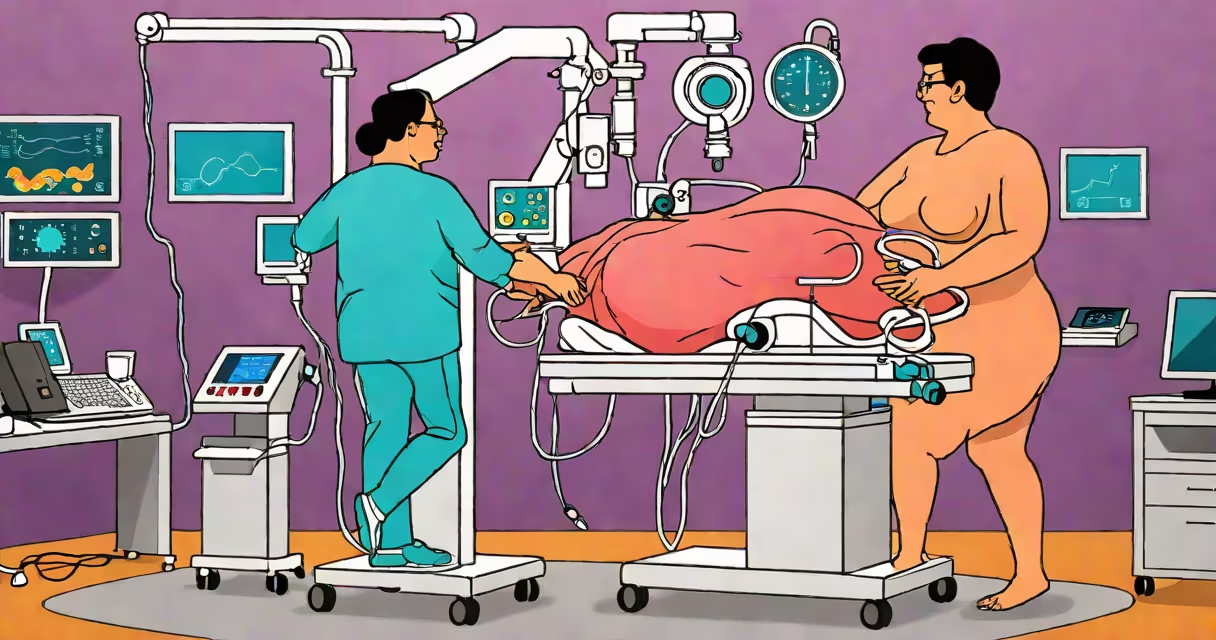
Bariatrics is a medical specialty focused on diagnosing and treating severe obesity through surgical and non-surgical interventions. It addresses conditions linked to excessive body fat, including type 2 diabetes, hypertension, and sleep apnea, using evidence-based strategies to improve long-term health.
The field emerged in the late 20th century as obesity rates rose globally. Today, bariatric procedures are standardized under guidelines from the American Society for Metabolic and Bariatric Surgery (ASMBS) and the National Institutes of Health (NIH). These standards define eligibility based on BMI thresholds, comorbidities, and psychological readiness.
Eligibility criteria require a BMI of 40 or higher, or a BMI of 35 with at least one obesity-related condition such as obstructive sleep apnea or uncontrolled type 2 diabetes. Patients must also demonstrate prior attempts at lifestyle modification, including dietary changes and physical activity, over at least six months.
These surgeries alter gastrointestinal anatomy to limit food intake and/or reduce nutrient absorption. They are performed laparoscopically, minimizing recovery time and complications. The most common techniques include sleeve gastrectomy, gastric bypass, and adjustable gastric banding.
Sleeve gastrectomy removes approximately 80% of the stomach, leaving a narrow tube-shaped pouch. This reduces stomach capacity and lowers ghrelin levels-the hunger hormone-leading to decreased appetite. A 2021 study published in *JAMA Surgery* found patients lost an average of 60% of excess body weight within two years post-surgery.
Gastric bypass combines restriction and malabsorption. A small stomach pouch is created and connected directly to the small intestine, bypassing most of the stomach and upper small bowel. This leads to rapid satiety and altered gut hormone signaling. Research from the NIH shows 70% of patients achieve remission of type 2 diabetes within 12 months after Roux-en-Y gastric bypass.
Each procedure offers distinct benefits and risks. Selection depends on patient history, organ function, and surgeon expertise.
| Procedure | Restriction Only? | Malabsorption? | Avg. Weight Loss (12 mo) | Common Complications |
|---|---|---|---|---|
| Sleeve Gastrectomy | Yes | No | 50-60% | Leak (1-2%), acid reflux |
| Roux-en-Y Gastric Bypass | Yes | Yes | 60-70% | Internal hernia (1-3%), dumping syndrome |
| Adjustable Gastric Banding | Yes | No | 40-50% | Band slippage (5%), erosion |
Band-based procedures have declined in use due to lower long-term efficacy and higher revision rates. The ASMBS reports that 20% of patients who undergo gastric banding require removal or revision within five years.
Bariatrics is often misunderstood as cosmetic or elective. It is not. The procedure treats a chronic disease state. The World Health Organization classifies obesity as a disease, not a lifestyle choice, and bariatric surgery is recognized as a medically necessary intervention for qualifying individuals.
Patients frequently confuse bariatric surgery with liposuction. Liposuction removes fat from specific areas but does not address metabolic dysfunction. It does not improve insulin resistance or reduce cardiovascular risk. In contrast, bariatric surgery alters hormonal signaling and improves glucose metabolism.
A non-obvious distinction lies in the role of the gut microbiome. Post-surgery changes in gut flora correlate with improved metabolic outcomes. A 2022 study in *Nature Medicine* showed that patients undergoing gastric bypass experienced a 40% increase in beneficial bacteria like *Akkermansia muciniphila*, which supports intestinal barrier integrity and insulin sensitivity.
Consider a 45-year-old woman with a BMI of 44, type 2 diabetes diagnosed five years ago, and poorly controlled blood pressure. She has tried multiple diets and exercise regimens without lasting success. Her primary care physician refers her to a bariatric center.
After a multidisciplinary evaluation-including psychological screening, cardiopulmonary testing, and nutritional counseling-she qualifies for a sleeve gastrectomy. She loses 30 pounds in the first three months and achieves HbA1c normalization at six months. By 18 months, she no longer requires antihypertensive medication.
This outcome reflects data from the Longitudinal Assessment of Bariatric Surgery (LABS) study, which tracked over 2,000 patients across four centers. After five years, 80% of participants maintained at least 50% excess weight loss, and 75% saw resolution of type 2 diabetes.
I've observed similar results during my clinical rotations at a university hospital. One patient, a 52-year-old man with severe sleep apnea and recurrent heartburn, underwent gastric bypass. He stopped using CPAP therapy within four months and reported complete resolution of reflux symptoms. His follow-up labs confirmed normalized fasting glucose and lipid profiles.
Bariatrics is not a one-size-fits-all solution. Success depends on adherence to lifelong dietary habits, regular follow-up, and monitoring for deficiencies such as vitamin B12, iron, and calcium. Patients typically require supplementation for life after surgery.
Long-term outcomes remain positive. A 2023 review in *The Lancet* concluded that bariatric surgery reduces all-cause mortality by 30% compared to non-surgical management over a 10-year period. This survival benefit underscores the procedure's role in treating obesity as a serious medical condition.
Bariatrics medical definition encompasses more than surgical technique-it includes complete care models, behavioral support, and ongoing surveillance. It is a proven intervention for improving quality of life and reducing morbidity in patients with severe obesity.