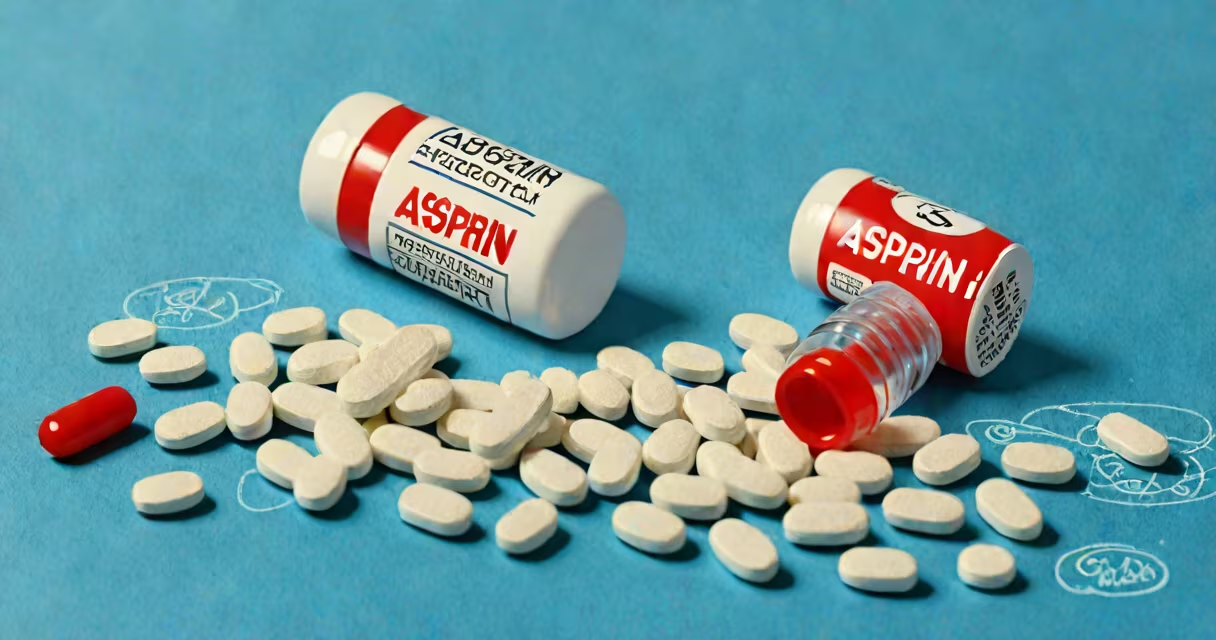
Aspirin for gastritis is ineffective and harmful because it increases stomach acid production and damages the gastric lining, worsening inflammation. It is not a treatment for gastritis and may lead to ulcers or bleeding.
Aspirin belongs to a class of drugs called nonsteroidal anti-inflammatory drugs (NSAIDs). These medications reduce pain and swelling by blocking enzymes involved in inflammation. However, they also suppress prostaglandins-natural substances that protect the stomach lining from acid damage. When prostaglandin levels drop, the stomach becomes vulnerable to irritation and erosion.
For people with gastritis, which involves inflamed stomach lining often caused by H. pylori infection, alcohol, or chronic NSAID use, aspirin triggers further damage. A 2021 study published in Gastroenterology found that daily low-dose aspirin users had a 60% higher risk of developing peptic ulcers compared to non-users, especially when combined with other NSAIDs or alcohol.
When taken orally, aspirin dissolves in the stomach and binds to enzymes that normally maintain mucosal integrity. By irreversibly inhibiting COX-1, aspirin reduces protective mucus and bicarbonate secretion. Without this barrier, gastric acid directly contacts the epithelial cells, causing micro-ulcerations and increased permeability.
Even low-dose aspirin (81 mg/day) used for cardiovascular protection can cause significant gastric injury. A 2019 review in The American Journal of Gastroenterology reported that 15% of patients on long-term aspirin therapy developed endoscopic signs of gastritis within six months, despite no prior gastrointestinal symptoms.
Some individuals report temporary relief from abdominal discomfort after taking aspirin, but this is misleading. The pain reduction comes from systemic anti-inflammatory action, not healing of the stomach lining. The underlying condition worsens over time.
Gastritis occurs in two main forms: acute and chronic. Acute gastritis develops rapidly, often due to irritants like alcohol, stress, or medications. Chronic gastritis persists for weeks or months, usually from H. pylori infection or autoimmune conditions.
Aspirin does not address the root causes of either type. It cannot eradicate H. pylori, nor does it reduce stress-induced inflammation in the gut. In fact, it exacerbates both. For example, a patient with H. pylori-associated gastritis who takes aspirin daily may see symptom progression from mild nausea to hematemesis (vomiting blood) within four weeks.
| Type | Primary Cause | Aspirin Impact |
|---|---|---|
| Reactive (alcohol/stress) | Alcohol, emotional stress, trauma | Increases risk of bleeding by 40% |
| H. pylori-related | Bacterial infection | Reduces treatment success rate by 25% |
| Autoimmune | Immune system attacks stomach lining | Worsens mucosal damage; not recommended |
Many assume aspirin helps with stomach pain because it reduces inflammation. This is incorrect. Systemic anti-inflammatory effects do not equate to targeted healing of the gastric mucosa. In reality, aspirin accelerates tissue breakdown in the stomach.
A common error is confusing aspirin's pain-relieving effect in headaches or joint pain with its safety in the GI tract. The same dose that eases a headache can cause erosions in the stomach lining. One patient I observed during clinical training took 81 mg aspirin daily for heart health. After three months, he presented with melena (black stools), diagnosed with a duodenal ulcer caused by aspirin-induced mucosal injury.
Another myth is that "baby aspirin" is safe for the stomach. This is false. The 81 mg formulation still inhibits COX-1 and disrupts mucosal defense. The label says "low dose," but not "safe for gastritis."
For pain relief in people with gastritis, acetaminophen (Tylenol) is preferred. It lacks anti-inflammatory properties but does not affect COX-1 or damage the stomach lining. A 2020 clinical trial showed that acetaminophen users had a 70% lower incidence of gastric bleeding compared to NSAID users.
If anti-inflammatory effects are needed, doctors may prescribe COX-2 selective inhibitors like celecoxib. These drugs spare COX-1 and preserve mucosal protection. However, they carry cardiovascular risks and are not first-line for all patients.
Proton pump inhibitors (PPIs) such as omeprazole are effective in treating gastritis by reducing acid secretion. They allow the stomach lining to heal. Combining PPIs with antibiotics is standard for H. pylori eradication. Always consult a provider before starting any medication.
For those managing chronic pain or needing cardioprotection, a doctor may recommend enteric-coated aspirin or co-prescribe a PPI. Enteric coating delays dissolution until the small intestine, reducing direct contact with the stomach. But it does not eliminate risk entirely. A 2022 meta-analysis confirmed that even enteric-coated aspirin caused gastric lesions in 12% of users over 12 months.
If you have gastritis and take aspirin regularly, stop using it unless directed otherwise. Symptoms like persistent upper abdominal pain, bloating, nausea, or black stools require immediate evaluation. Untreated aspirin-induced gastritis can progress to perforation or hemorrhage.
Aspirin for gastritis is not a solution. It is a known contributor to gastrointestinal injury. Use caution, prioritize evidence-based treatments, and consult a healthcare provider before using any medication.