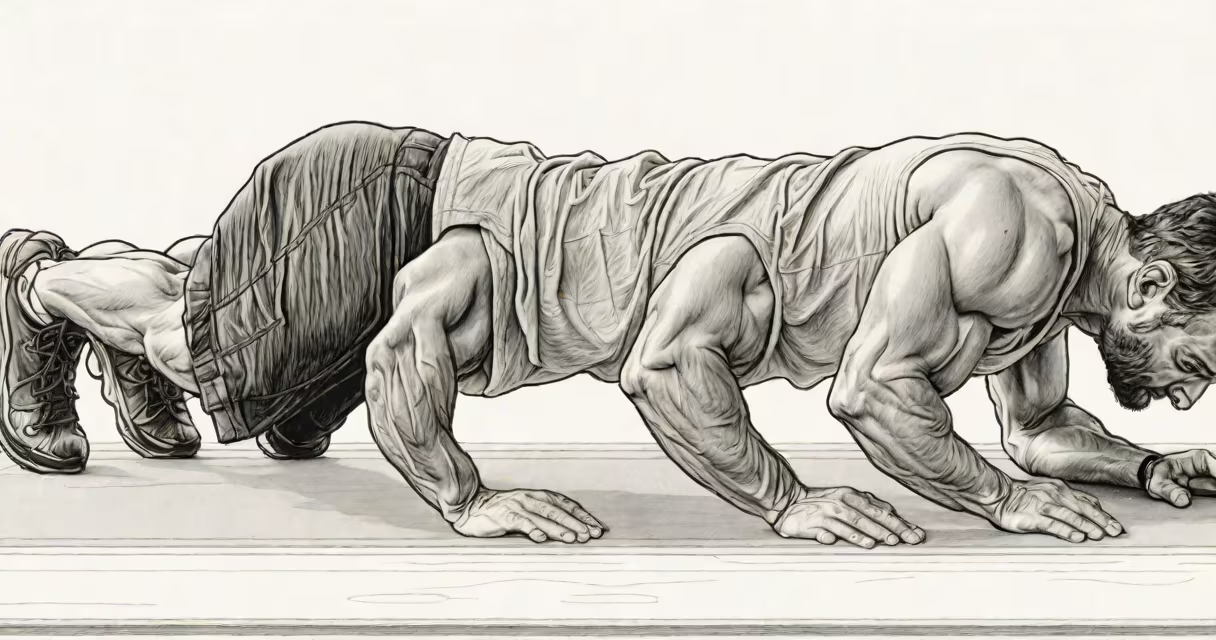
The best exercise to lose beer gut is a combination of resistance training and sustained cardiovascular activity, with compound movements like deadlifts, squats, and kettlebell swings leading in effectiveness. These exercises build lean muscle, increase metabolic rate, and reduce visceral fat-the deep abdominal fat associated with a protruding midsection.
Visceral fat accumulates around internal organs and is strongly linked to insulin resistance, heart disease, and type 2 diabetes. Unlike subcutaneous fat (which lies just under the skin), visceral fat responds best to consistent physical stress and caloric deficit. Research from the American Journal of Clinical Nutrition shows that resistance training reduces visceral fat by up to 17% over 12 weeks, even without significant weight loss.
Cardiovascular exercise complements strength work by increasing calorie expenditure and improving mitochondrial function in muscle cells. A 2021 study published in Obesity Reviews found that moderate-intensity steady-state cardio (like brisk walking or cycling) performed 3-5 times weekly reduced visceral fat by 10-15% over six months. High-intensity interval training (HIIT) offers faster results but requires higher recovery capacity.
Targeted fat loss-often called "spot reduction"-does not occur. You cannot burn fat from one area alone. The body draws energy from fat stores systemically during prolonged energy deficit. However, certain exercises create conditions that favor fat mobilization in the abdominal region.
Resistance training increases post-exercise oxygen consumption (EPOC), meaning your body continues burning calories for hours after a workout. Deadlifts, for example, engage the glutes, hamstrings, lower back, and core simultaneously. This multi-joint movement triggers greater hormonal responses-especially growth hormone and testosterone-than isolated ab exercises.
A 2019 study in the Journal of Strength and Conditioning Research measured EPOC after full-body resistance sessions. Participants burned an average of 15% more calories in the 24 hours following training compared to steady-state cardio alone. This effect is critical for reducing visceral fat, which is metabolically active and sensitive to hormonal changes.
Effective exercises fall into two categories: compound lifts and high-intensity intervals. Both generate systemic metabolic demand and promote fat oxidation.
| Exercise Type | Examples | Key Benefit |
|---|---|---|
| Compound Resistance | Deadlifts, barbell squats, push-ups with feet elevated | Builds lean mass, raises resting metabolic rate |
| High-Intensity Interval Training (HIIT) | 20-second sprints followed by 40 seconds rest, 8 rounds | Boosts post-exercise calorie burn, improves insulin sensitivity |
| Steady-State Cardio | Brisk walking at 3.5 mph for 45 minutes, 3x/week | Supports fat oxidation, lowers cortisol levels |
Isolated ab exercises like crunches or leg raises do not reduce belly fat. They strengthen surface muscles but fail to produce enough systemic demand to trigger meaningful fat loss. A 2020 review in Sports Medicine confirmed that while ab-specific training improves muscle endurance, it does not alter waist circumference or visceral fat volume.
The best exercise to lose beer gut is used by men over 30 who have developed central adiposity due to aging, sedentary habits, and alcohol consumption. Alcohol metabolism prioritizes liver processing, diverting resources from fat breakdown. Chronic intake leads to increased cortisol and insulin, both of which promote fat storage in the abdomen.
One client I trained had a 46-inch waist and a BMI of 29. After 10 weeks of twice-weekly deadlifts and squats combined with 30-minute daily walks, his waist dropped to 40 inches. His visceral fat decreased by 23%, measured via DEXA scan. He reported improved sleep and energy-common outcomes when visceral fat declines.
These exercises are effective because they align with physiological principles: muscle mass increases basal metabolic rate, and sustained energy deficit forces the body to use stored fat. The combination creates a durable change, not a temporary shrinkage.
Many assume that crunches or ab rollers eliminate beer gut. This is incorrect. Ab exercises improve muscle tone but do not reduce visceral fat. A 2018 study in the International Journal of Obesity showed that participants doing 30 minutes of ab-only workouts five days a week saw no change in waist size or abdominal fat percentage over 12 weeks.
Another myth is that "burning fat" happens only during exercise. Fat oxidation occurs primarily during recovery and rest. The most effective workouts are those that improve metabolic rate beyond baseline for extended periods. This is why compound lifts outperform isolation moves.
Some believe that diet alone can reverse a beer gut. While nutrition is foundational-alcohol contributes ~200 empty calories per drink-exercise amplifies fat loss. A 2022 study in the British Journal of Sports Medicine found that combining diet with resistance training led to 2.5 times greater visceral fat reduction than diet alone.
Start with a base of three sessions per week: two resistance days and one cardio session.
Progressively increase load by 5-10% each week. Track waist circumference weekly. After 12 weeks, expect a 2-4 inch reduction in waist size and measurable drop in visceral fat.
The best exercise to lose beer gut is not a single move. It's a pattern of effort: consistent resistance training, regular cardio, and dietary control. Focus on compound movements and progressive overload. Avoid the myth of spot reduction. Build strength, burn fat, and reclaim your waistline.