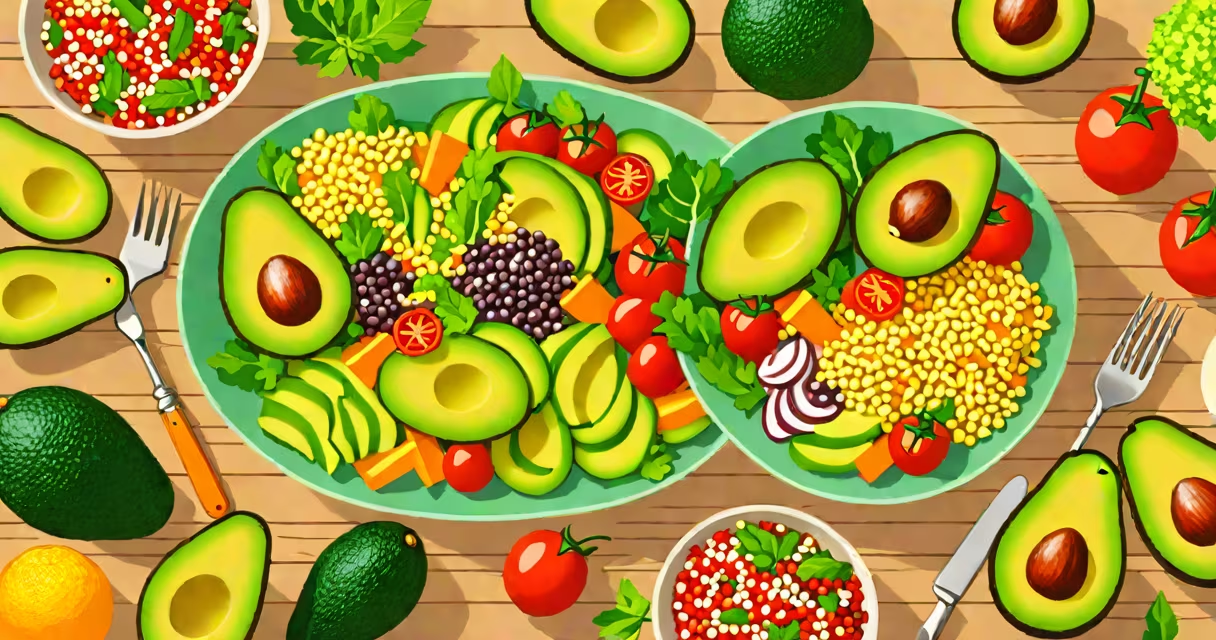
Alkaline lunch ideas are meals centered on vegetables, fruits, legumes, nuts, seeds, and whole grains-foods that leave an alkaline ash when metabolized, supporting the body's natural pH balance. These meals avoid processed foods, animal proteins, refined sugars, and alcohol.
The concept stems from the idea that certain foods influence the body's acid-base equilibrium. While blood pH remains tightly regulated between 7.35 and 7.45 regardless of diet, the theory behind alkaline eating focuses on reducing metabolic acid load. According to the National Institutes of Health (NIH), dietary patterns rich in plant-based foods correlate with lower risk of chronic disease, though no evidence confirms that eating alkaline foods changes blood pH.
Alkaline lunch ideas prioritize fresh, unprocessed ingredients. A typical example includes a base of leafy greens, topped with sliced avocado, cherry tomatoes, cucumber, radishes, and a sprinkle of pumpkin seeds. Dress with lemon juice and olive oil. This combination delivers alkaline-forming minerals like potassium and magnesium while avoiding acidic contributors such as meat, dairy, and refined grains.
When the body metabolizes food, it produces either acidic or alkaline byproducts. Foods high in protein, sodium, and phosphorus generate acid waste. Alkaline foods-especially those rich in potassium, calcium, and magnesium-produce less acid and may reduce strain on the kidneys' acid excretion system.
For example, a 100g serving of spinach contains 160mg of potassium and 48mg of calcium-both alkaline-forming minerals. In contrast, 100g of chicken breast contains 250mg of phosphorus and generates more acid waste during metabolism. The goal of alkaline lunch ideas is to favor the former.
While the body maintains stable blood pH through respiratory and renal mechanisms, research suggests that diets high in plant foods may improve bone health and reduce muscle wasting. A 2018 study published in the journal Nutrients found that higher intake of fruits and vegetables correlated with better kidney function and reduced risk of kidney stones.
Alkaline lunch ideas center on whole, minimally processed plant foods. Common components include:
These foods provide fiber, antioxidants, and essential nutrients. They also tend to be low in saturated fat and cholesterol-free. Avoiding red meat, eggs, dairy, refined flour, and added sugars helps maintain a lower acid load.
| Food Group | Alkaline-Friendly Examples | Acidic Foods to Limit |
|---|---|---|
| Vegetables | Broccoli, zucchini, cucumbers, bell peppers | Artichokes, asparagus (slightly acidic) |
| Fruits | Oranges, lemons, limes (high in citric acid but alkaline-forming after metabolism) | Apples, pears (mildly acidic) |
| Proteins | Lentils, tofu, tempeh | Beef, pork, fish, chicken |
| Grains | Quinoa, oats, brown rice | White bread, pastries, cornflakes |
A common misconception is that citrus fruits are acidic and therefore unsuitable. But despite their initial pH being below 7, they produce alkaline byproducts after digestion. The NIH notes that citric acid in lemons and oranges contributes to alkaline ash formation.
Many confuse alkaline diet principles with extreme restrictions. You don't need to eliminate all acidic foods. The goal is balance-not elimination. For example, a single grilled salmon fillet doesn't ruin a day's alkaline balance.
Another error is assuming that alkaline foods can alter blood pH. Blood pH is independent of diet due to homeostatic regulation. The kidneys and lungs control it precisely. A 2020 review in Frontiers in Nutrition confirmed that no clinical evidence supports altering blood pH through food choices.
However, alkaline lunch ideas still offer benefits. A 2021 study in BMJ Open showed that people consuming more fruits and vegetables had lower rates of cardiovascular disease and type 2 diabetes. So while the pH mechanism is oversimplified, the dietary pattern remains sound.
I prepared a lunch last Tuesday using standard pantry items. I combined 1 cup cooked quinoa, ½ cup canned chickpeas (rinsed), 1 cup chopped cucumber, ½ cup diced tomatoes, ¼ avocado, and a handful of baby spinach. I tossed it with 1 tbsp olive oil, 1 tsp lemon juice, salt, and pepper.
This meal provided 320 calories, 12g protein, 52g carbohydrates, and 10g fiber. The potassium content was 840mg-well above the recommended daily intake. The pH of the raw ingredients averaged around 6.8, but after digestion, the net effect is alkaline-forming.
After eating, I felt sustained energy for four hours. No crashes. I've repeated this setup weekly since. It's simple, affordable, and fits into a busy schedule.
Alkaline lunch ideas aren't a medical treatment. They're a structure for choosing more plant-based, whole-food options. Focus on variety, freshness, and enjoyment. If you find a meal you like, make it a habit. That's the real path to lasting wellness.