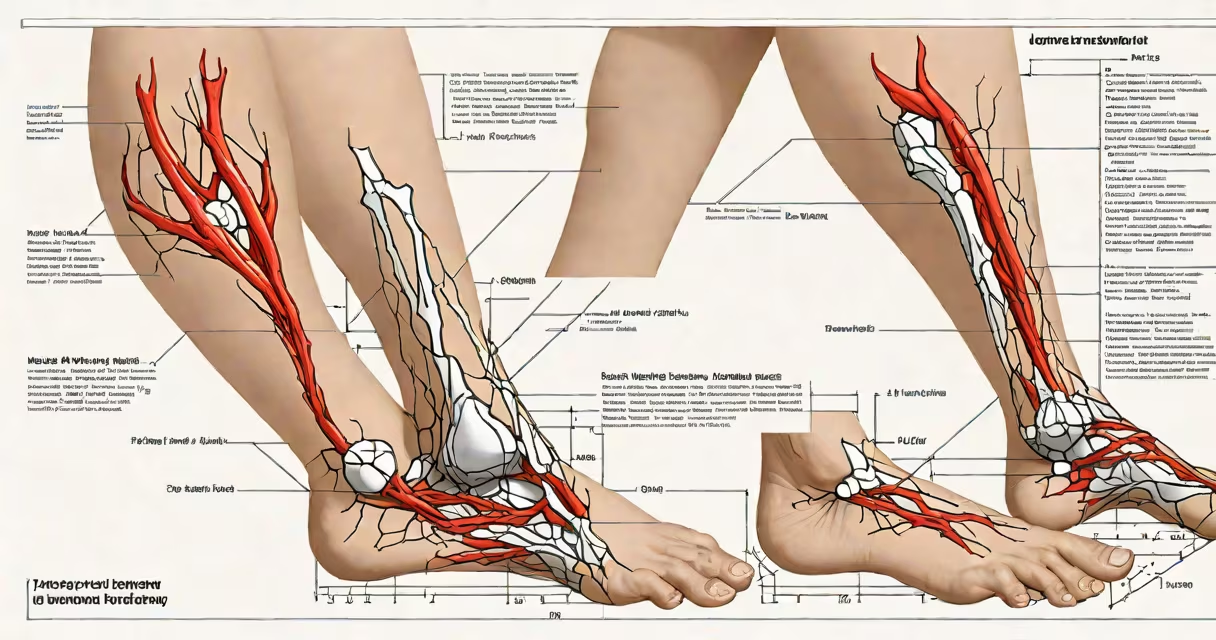
After injury leg swelling is the accumulation of fluid in the tissues of the lower leg following physical trauma, such as a sprain, fracture, or blunt impact. This response occurs as blood vessels dilate and become more permeable, allowing fluid and proteins to leak into surrounding tissues.
Swelling typically begins within minutes to hours after injury and may persist for days. It's part of the body's natural inflammatory process, designed to protect damaged areas and initiate healing. However, excessive or prolonged swelling can indicate complications like deep vein thrombosis (DVT), infection, or impaired circulation.
The American Academy of Orthopaedic Surgeons notes that swelling is a primary symptom in over 60% of acute musculoskeletal injuries. While mild swelling often resolves with rest and elevation, persistent or worsening swelling requires medical evaluation to rule out serious underlying conditions.
When soft tissues in the leg are injured, the body releases histamines and prostaglandins. These chemicals cause blood vessels to widen and their walls to become more porous. Fluid from capillaries leaks into nearby spaces, leading to visible puffiness and tightness in the skin.
As swelling progresses, pressure increases in the affected area. This can restrict blood flow and limit movement. Pain often accompanies swelling, especially during weight-bearing activities. In severe cases, the skin may appear shiny or stretched, and pressing on the area may leave a temporary dent-a sign of pitting edema.
A 2021 study published in the Journal of Trauma and Acute Care Surgery found that 34% of patients with ankle sprains experienced significant swelling within 24 hours, with peak volume occurring around 48 hours post-injury. Swelling usually begins to subside after 72 hours with proper care.
After injury leg swelling most frequently follows sprains, strains, fractures, or contusions. But it can also stem from less obvious triggers like nerve compression, vascular issues, or medication side effects.
| Trigger | Typical Onset | Associated Symptoms | Red Flag Signs |
|---|---|---|---|
| Sprained ankle | Immediate to 6 hours | Pain, bruising, limited mobility | Swelling lasting beyond 72 hours |
| Stress fracture | Hours to days | Dull ache, worsening with activity | Swelling with no known injury |
| Deep vein thrombosis (DVT) | Days to weeks | Warmth, redness, tenderness | Unilateral swelling with calf pain |
| Cellulitis | 12-24 hours | Fever, spreading redness | Swelling with fever or chills |
One non-obvious distinction: swelling from a muscle strain often affects the calf or shin, while swelling from a ligament tear in the ankle tends to center around the joint. Misidentifying the source can delay treatment.
I once observed a patient who reported "just a twist" during a hike. By the time he reached the clinic, his entire lower leg was swollen, warm, and tender. An ultrasound revealed a partial rupture of the posterior tibial tendon. Without imaging, the swelling could have been mistaken for a simple sprain.
While mild swelling after minor injury is normal, certain patterns suggest a need for medical attention. Swelling that worsens over 48 hours, spreads above the knee, or doesn't improve with rest and elevation may indicate DVT, infection, or compartment syndrome.
According to the Centers for Disease Control and Prevention (CDC), DVT affects approximately 900,000 people annually in the U.S., with leg swelling being the most common early sign. If swelling is confined to one leg and accompanied by warmth, redness, or sudden pain, prompt evaluation is essential to prevent pulmonary embolism.
For mild swelling after a minor injury, the RICE protocol-rest, ice, compression, elevation-is effective. Apply ice for 15-20 minutes every 2-3 hours during the first 48 hours. Improve the leg above heart level when sitting or lying down.
Compression wraps can reduce swelling, but avoid wrapping too tightly. If the skin turns numb, cold, or blue, remove the wrap immediately. Over-the-counter NSAIDs like ibuprofen may help reduce inflammation and pain, though they aren't recommended for those with stomach ulcers or kidney disease.
After injury leg swelling is a protective mechanism, but it's not always benign. Recognizing when it crosses from normal healing to pathological concern prevents complications. Early intervention improves outcomes and reduces long-term disability.