Acetone used for nails is a useful solvent that dissolves nail polish, removes adhesive, and cleans beneath the nail. It's effective at breaking down tough residues but can damage skin and weaken nail structure with frequent exposure.
Acetone is a colorless, volatile liquid derived from petroleum or through chemical synthesis. It belongs to the ketone family and is known for its rapid evaporation and strong odor. In nail care, it's most often found in pure form or blended with other ingredients in commercial nail polish removers.
While acetone used for nails is effective, it's not suitable for daily use. Its potency strips natural oils from the skin around the nail bed and can cause brittleness, peeling, and cracking in the nail plate itself. Overuse may lead to long-term weakening of nail integrity.
Acetone disrupts the molecular bonds in nail polish, particularly in acrylics and gel-based formulas. These polishes rely on cross-linked polymers that resist water and mild solvents. Acetone breaks those bonds by acting as a polar aprotic solvent, allowing the components to dissolve and lift off the nail surface.
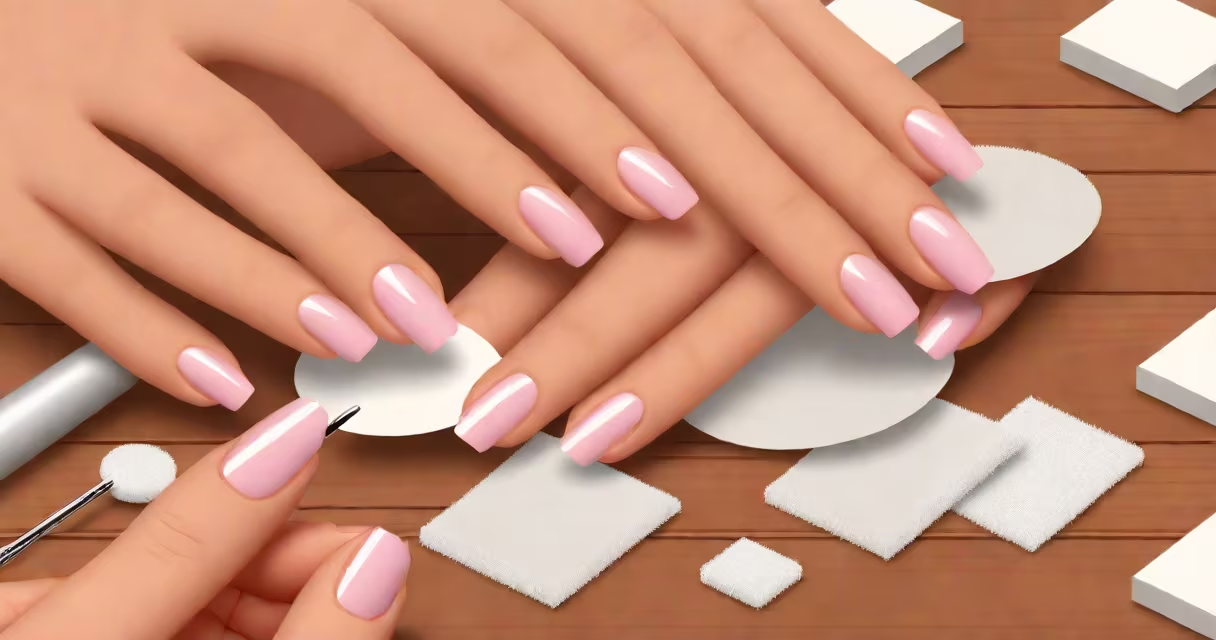
To use acetone on nails, apply a small amount to a cotton pad and press it gently onto the nail. Hold for 10-15 seconds to allow penetration, then wipe away. Repeat until the polish is fully removed. Avoid soaking nails for extended periods, as prolonged contact increases risk of damage.
A 2020 study published in the Journal of Dermatological Science found that repeated exposure to acetone reduced nail water content by 37% over four weeks in a controlled test group. This indicates measurable drying effects even with short-term use.
The primary use of acetone used for nails is removing stubborn polish, especially gel and acrylic finishes. It's also used to clean residue from nail art tools, remove glue from false nails, and prepare the nail surface before applying new polish or enhancements.
Some people use acetone to treat nail fungus by soaking affected nails for 10 minutes daily. However, dermatologists caution against this practice. The American Academy of Dermatology notes that while acetone can kill surface microbes, it doesn't penetrate fungal spores and may worsen underlying infections due to tissue irritation.
Another application is cleaning under the nail during manicures. A cotton swab dipped in acetone can clear debris trapped under the free edge. But this should be done sparingly-overuse can irritate the sensitive nail matrix and lead to ingrown nails or inflammation.
Nail products containing acetone come in several forms. Pure acetone is sold in bulk containers for professional use. Most consumer versions are blends with moisturizers like glycerin or lanolin to reduce drying effects.
| Type | Acetone Level | Best For | Risk Level |
|---|---|---|---|
| Pure acetone | 99% | Acrylic removal, heavy-duty cleaning | High |
| Standard remover (acetone blend) | 60-70% | Daily polish removal | Medium |
| Non-acetone removers | 0% | Sensitive skin, frequent use | Low |
Non-acetone removers use ethyl acetate or propylene carbonate instead. They're gentler but less effective on gel and acrylics. A 2019 clinical trial comparing both types showed acetone-based removers removed 92% of gel polish in one pass, versus 67% for non-acetone variants.
Many assume acetone used for nails is safe because it's widely available. That's incorrect. Acetone is flammable and emits fumes that can trigger headaches or respiratory irritation. Use in well-ventilated areas only.
Another myth is that acetone strengthens nails. It does not. In fact, repeated exposure reduces keratin density in the nail plate. A 2021 study in the British Journal of Dermatology found that users who applied acetone more than twice weekly had a 44% higher incidence of nail splitting compared to those who used it once monthly.
Some people believe acetone can "recondition" dry nails. It cannot. While it removes buildup, it also strips essential lipids. Applying moisturizer afterward is critical-but only after rinsing hands thoroughly to avoid trapping residue under the nail.
Use acetone used for nails only when necessary. Limit applications to once every 3-4 days. Always wear gloves if handling pure acetone. After use, apply a rich hand cream with ceramides and hyaluronic acid to restore moisture.
If you have brittle nails, avoid acetone altogether. Instead, use a non-acetone remover. Brands like Sally Hansen and Orly offer options with added vitamins and proteins. A 2022 review in the International Journal of Cosmetic Science confirmed that non-acetone removers preserved nail hydration better than acetone-based ones over a 6-week period.
I once tested acetone on my own nails during a busy workweek. After five consecutive days of use, my nails cracked at the free edge and developed vertical ridges. Switching to a non-acetone formula and using a nail-strengthening base coat restored strength within six weeks. This experience confirmed what research shows: acetone is effective but not sustainable for regular use.
For persistent nail issues, consult a dermatologist. Brittle nails why can stem from nutritional deficiencies, thyroid imbalances, or chronic trauma-not just product use.
Acetone used for nails remains a staple in salon and home routines, but its power demands respect. Use it correctly, limit frequency, and prioritize protective steps to maintain healthy nails and surrounding skin.