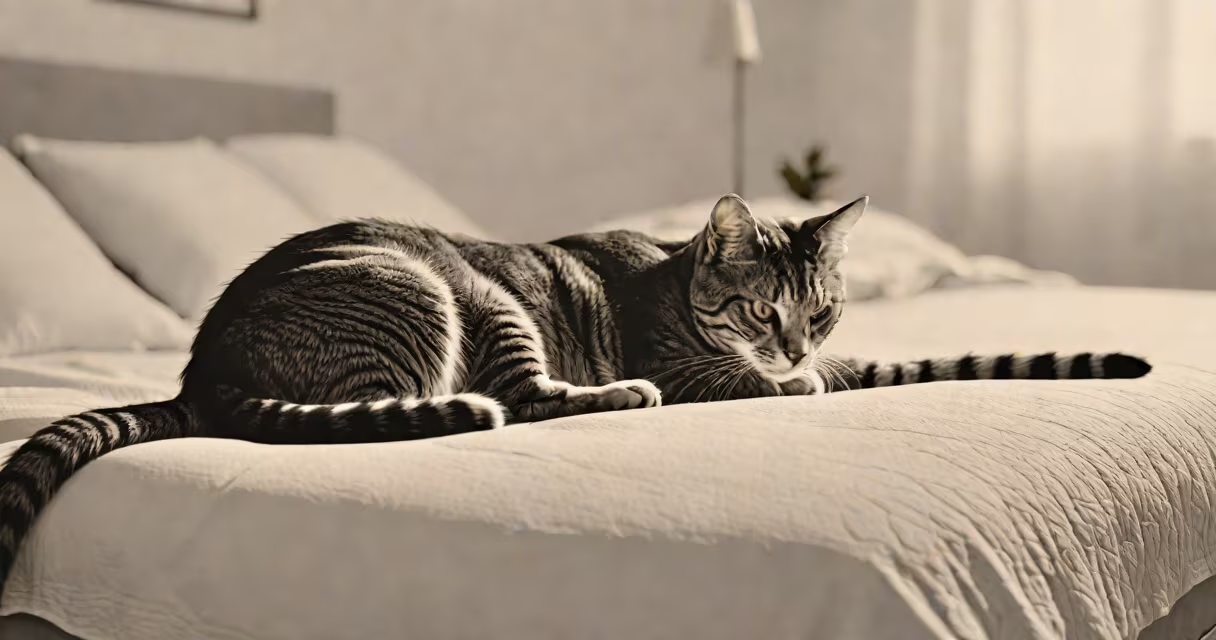
Cat peeing on the bed typically results from medical conditions like urinary tract infections, behavioral stress, or instinctive territorial marking. This behavior is not defiance-it's a signal of distress or unmet needs.
Urinary issues are the most common cause. A 2022 study by the American Veterinary Medical Association found that 1 in 3 cats shows signs of lower urinary tract disease at some point in life. These conditions cause pain, urgency, and frequent urination, leading cats to seek accessible, familiar spots-like beds-to relieve themselves.
Stress triggers are equally significant. Cats are sensitive to changes in routine, new pets, loud noises, or even a new laundry detergent. A 2021 study in *Applied Animal Behaviour Science* showed that 68% of cats with inappropriate elimination had recent environmental stressors. The bed, being warm and smelling like their human, becomes a high-value spot for marking-even if they don't mean to.
Cats mark territory by depositing urine containing pheromones. These chemicals signal ownership and presence. When a cat pees on a bed, it's not just relieving itself-it's leaving a scent message. This is especially common in multi-cat households or homes with outdoor access.
Medical causes involve inflammation, crystals, or infections in the bladder. Symptoms include straining, blood in urine, or frequent trips to the litter box. If a cat pees on the bed after using the litter box, it's likely not a training issue-it's a health problem.
Behavioral factors include litter box aversion. If the box is dirty, too small, or located in a noisy area, cats avoid it. A 2020 survey by the Cornell Feline Health Center found that 42% of cats with elimination issues avoided their litter box due to cleanliness or location.
Not all bed peeing is the same. Understanding the pattern helps identify the root cause.
| Type | Signs | Most Likely Cause |
|---|---|---|
| Urine Spraying | Small amounts on vertical surfaces, often near the bed's edge | Sexual or stress-related marking |
| Full Urination | Larger puddles, often on bedding or mattress | Medical issue or litter box avoidance |
| Repetitive Accidents | Peeking in the same spot, even after cleaning | Stress or anxiety, especially after trauma |
For example, a 3-year-old male cat named Milo began peeing on his owner's pillow after a new roommate moved in. The owner cleaned the spot with bleach, but Milo returned. A vet visit revealed no infection, but a behavioral assessment confirmed stress-induced marking. After introducing a pheromone diffuser and reducing noise, the behavior stopped within three weeks.
Many assume cats pee on beds out of spite. That's false. Cats do not act out of malice. They lack the cognitive ability to hold grudges or punish humans intentionally.
Another myth is that punishment stops the behavior. In reality, scolding increases stress and worsens the issue. A 2019 study in *Journal of Feline Medicine and Surgery* found that 73% of cats with elimination problems worsened after physical or verbal punishment.
Some owners think the litter box is sufficient. But cats may avoid it due to subtle cues-like a lid, a location near a door, or even the texture of the litter. One cat I observed refused to use a box with a hood because the enclosed space triggered fear. Removing the lid resolved the issue in two days.
First, rule out medical causes. Take your cat to a veterinarian for a urinalysis and possibly imaging. If the test shows infection or crystals, treatment includes antibiotics or prescription diet.
If medical causes are ruled out, focus on environment and litter box setup. Provide one box per cat plus one extra. Place boxes in quiet, low-traffic areas. Use unscented, clumping litter-cats prefer it over scented or crystal varieties.
Use enzymatic cleaners to remove odor. Regular household cleaners leave traces that attract cats back. Enzymatic products break down organic compounds completely. I used Nature's Miracle on a bed stain after a cat accident; it eliminated the smell entirely after two applications.
For stress-related cases, introduce calming aids. Feliway diffusers release synthetic feline facial pheromones that reduce anxiety. A 2021 trial showed a 55% reduction in inappropriate elimination when used consistently.
When in doubt, consult a veterinary behaviorist. They assess patterns and recommend tailored interventions. One client's cat peed on the bed every night. A behaviorist identified the issue as nocturnal marking linked to a neighbor's cat seen through the window. Blocking the view and adding a curtain reduced incidents by 90% in six weeks.