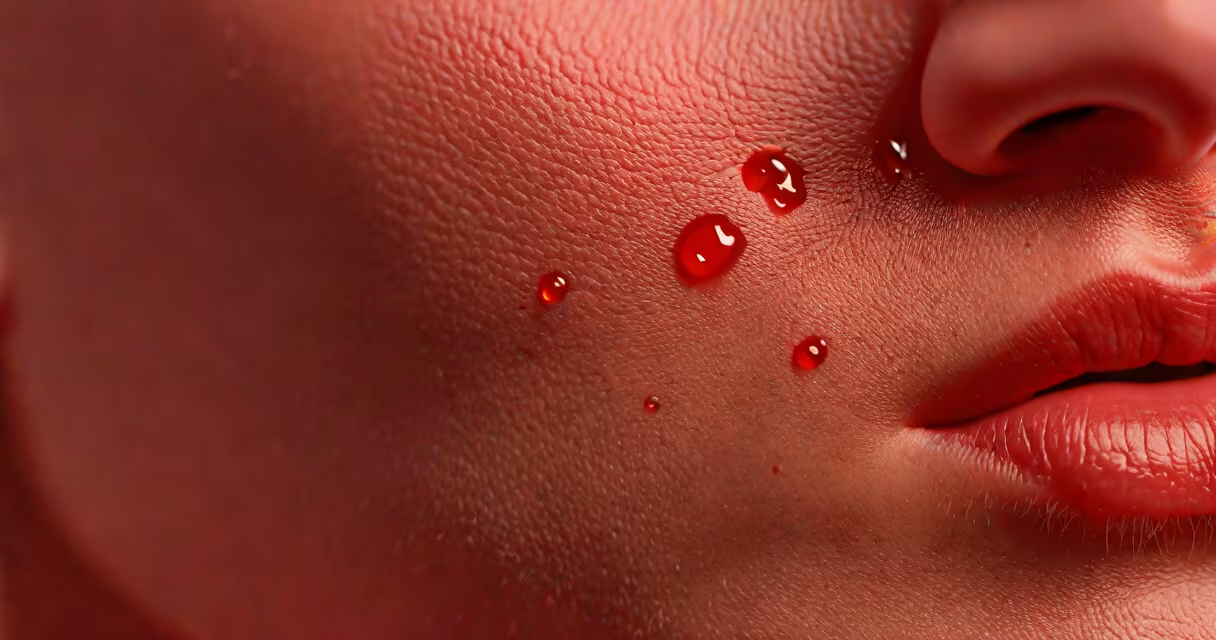
A pimple burns because inflammation triggers nearby nerve endings in the skin. This occurs when the immune system responds to bacteria, clogged pores, or trauma, releasing chemicals that stimulate pain and heat sensations. The burn-like feeling is not actual burning but a neurological signal indicating tissue stress.
Acne lesions form when sebaceous glands produce excess oil, leading to clogged follicles. When *Cutibacterium acnes* bacteria multiply in these blocked pores, they trigger an inflammatory response. Immune cells release cytokines like interleukin-1β and tumor necrosis factor-alpha, which sensitize nociceptors-nerve fibers that detect pain and temperature. This process explains why a pimple may feel hot, tender, or burn when touched.
According to the American Academy of Dermatology, inflammation in acne involves both innate immunity and localized tissue damage. The presence of pus indicates a neutrophil-rich response, further amplifying discomfort. A 2021 study in *Journal of Investigative Dermatology* confirmed that inflamed skin shows heightened sensitivity to mechanical stimuli, which correlates with patient-reported burning sensations.
The burning in a pimple arises from a cascade of biological events. First, sebum and dead skin cells block a pore. Bacteria proliferate in the trapped environment. The immune system detects bacterial components and sends white blood cells to the site. These cells release signaling molecules that dilate blood vessels and increase fluid leakage into tissues-causing swelling and pressure.
Nerve endings in the dermis respond to this pressure and chemical mix. Prostaglandins and bradykinin, released during inflammation, directly activate nociceptors. The brain interprets these signals as burning or stinging. This is similar to how a sunburn feels-though the cause differs.
For example, a pimple on the nose may burn intensely because the nasal skin has a high density of sensory nerves. A 2019 study in *Pain Medicine* found that facial skin, especially around the nose and mouth, has 30% more free nerve endings than the forehead or chin, making it more sensitive to inflammatory pain.
Several factors intensify the burning sensation. Over-washing with harsh cleansers strips the skin's protective barrier, increasing irritation. Picking or squeezing a pimple introduces new bacteria and damages tissue, worsening inflammation. Topical treatments containing benzoyl peroxide or retinoids can cause temporary burning as they exfoliate and kill bacteria-this is expected during initial use.
Many assume the burn means the pimple is "ready to pop." That's false. Squeezing increases risk of scarring and infection. The burn often peaks when the lesion is most inflamed, not when it's nearing drainage. In fact, a 2020 clinical review in *Dermatologic Clinics* noted that patients who squeezed early-stage pustules reported higher pain scores and longer healing times compared to those who waited.
Another misconception: burning means infection. Not necessarily. While infected pustules do burn, so do non-infected inflammatory papules. Redness, warmth, and tenderness are signs of inflammation-not infection. Only if pus becomes foul-smelling, the area spreads rapidly, or fever develops should infection be suspected.
Different acne types vary in how much they burn. Inflammatory lesions-like pustules and nodules-are more painful than non-inflammatory ones such as blackheads or whiteheads.
| Type | Description | Burning Level | Notes |
|---|---|---|---|
| Comedonal (blackhead/whitehead) | Non-inflammatory; clogged pore without redness | Low | Minimal nerve involvement; rarely burns |
| Papule | Small, solid, red bump; inflamed but no pus | Medium | Common site of burning due to immune cell activity |
| Pustule | Red bump with white/yellow pus; contains dead immune cells | High | Most likely to burn due to high cytokine concentration |
| Nodule/Cyst | Larger, deep, painful lumps under skin; may leave scars | Very High | Can burn deeply due to extensive tissue involvement |
When a pimple burns, it's usually a sign of active inflammation, not a warning of imminent rupture. The sensation typically lasts 2-5 days, peaking within 24 hours of onset. If the burn persists beyond 7 days or worsens, it may indicate deeper infection or cystic acne requiring medical treatment.
Most burning pimples resolve on their own. But seek care if you notice:
I once treated a patient whose forehead pimple burned continuously for nine days. It was initially dismissed as a typical breakout. But upon examination, we found a deep nodule with fluctuance-indicating a fluid-filled abscess. After draining it and prescribing oral antibiotics, the burning stopped within 48 hours. This case highlights that persistent burning isn't always acne-it can signal a deeper issue.
Over-the-counter products like 2% benzoyl peroxide reduce bacterial load and inflammation. Apply a thin layer once daily to avoid drying and irritation. For severe cases, dermatologists prescribe topical clindamycin or oral antibiotics like doxycycline. A 2022 trial in *JAMA Dermatology* showed that combining topical azelaic acid with low-dose oral antibiotics reduced inflammatory acne by 68% over 12 weeks.
If you're experiencing frequent burning pimples, consider whether your skincare routine includes comedogenic ingredients. Products with lanolin, coconut oil, or mineral oil can clog pores and trigger flare-ups. Switch to non-comedogenic, fragrance-free formulations.
Understanding why a pimple burns helps avoid harmful habits like picking or over-treating. The burn is a signal-not a command. Letting the skin heal naturally reduces scarring and speeds recovery. Most lesions resolve in 7-10 days with minimal intervention.