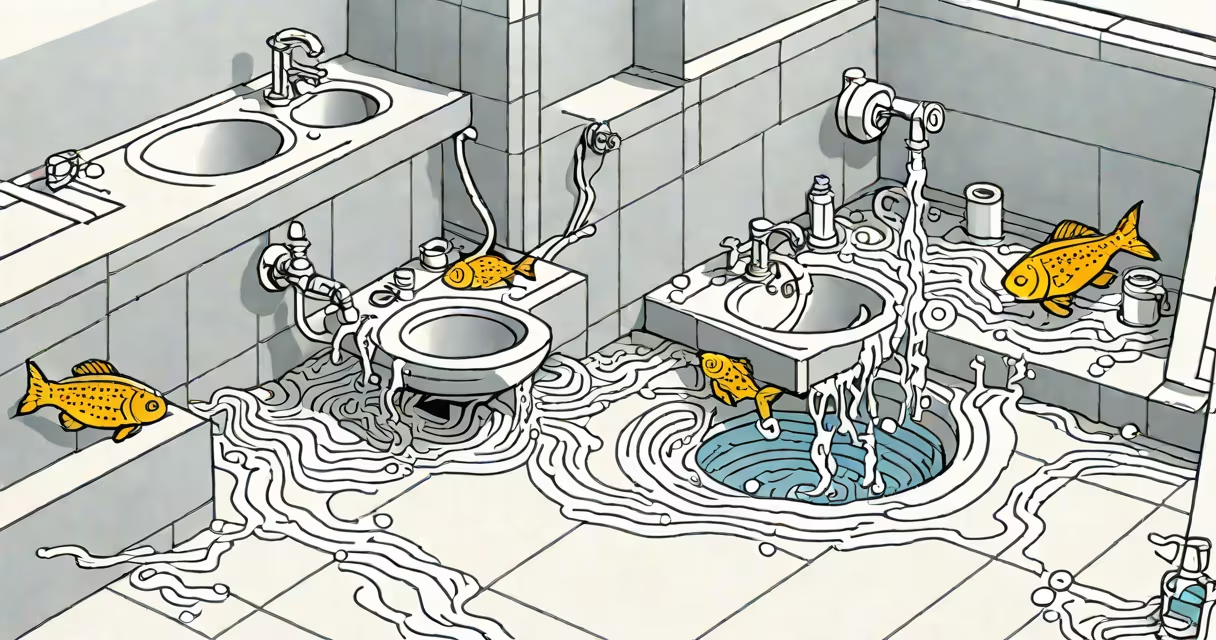
A fishy odor in your home typically stems from hydrogen sulfide gas buildup, bacterial growth in drains, or organic material decomposing in plumbing traps. This smell often mimics rotten eggs or fresh fish and usually originates in sinks, showers, or toilets.
Hydrogen sulfide forms when sulfur-reducing bacteria break down organic waste in dark, moist environments like drain pipes. These bacteria thrive in standing water, especially when traps dry out. A dry P-trap-a U-shaped pipe under sinks-can allow sewer gases to rise into living spaces. The smell is not from actual fish but from sulfur compounds that mimic fish odor.
The Environmental Protection Agency (EPA) confirms that sewer gas exposure, including hydrogen sulfide, can cause headaches and nausea at high levels. The Centers for Disease Control and Prevention (CDC) notes that while low-level exposure is generally safe, prolonged or strong odors require investigation. If the smell persists despite cleaning, it may indicate a deeper plumbing fault.
Most fishy odors originate in plumbing fixtures with infrequently used drains. Showers, bathroom sinks, kitchen sinks, and laundry drains are prime locations. When a fixture isn't used daily, water in the P-trap evaporates, allowing sewer gases to escape through the drain.
For example, a guest bathroom sink used once a month may develop a fishy smell within days of disuse. The trap dries out, and bacteria in the pipe produce hydrogen sulfide. Running water for 30 seconds clears the trap and stops the odor temporarily-but the problem returns unless the trap stays filled.
Other sources include faulty water heaters, septic systems, or malfunctioning dishwashers. A dishwasher with a clogged filter or stagnant water can harbor bacteria that emit sulfur-based odors. If the smell is strongest near the dishwasher, check the filter and run a cycle with vinegar to clean the interior.
Not all fishy odors are the same. Distinguishing between types helps identify the root cause:
| Smell Type | Common Source | What It Means |
|---|---|---|
| Rotten egg or sharp fishy | Dry drain trap, septic system | Hydrogen sulfide gas; likely plumbing-related |
| Weak, lingering fishy | Old food in garbage disposal, dirty dishwasher | Bacterial decay in appliances; clean internal components |
| Strong, wet fish smell | Leaking drain line, mold in vent pipe | Moisture buildup; potential water damage or mold |
One non-obvious clue: if the smell is worse in the morning, it's likely due to overnight evaporation of trap water. If it appears after using the dishwasher, the issue is probably in the machine's spray arms or filter. A consistent odor in one room suggests a localized source-like a blocked vent or leaky pipe behind a wall.
Many assume a fishy smell means a dead animal in the walls. While rodents or pests can cause foul odors, they usually smell like rotting meat, not fish. A fishy scent is almost always chemical or microbial, not biological.
Another mistake is blaming air fresheners or scented candles. These mask odors but don't eliminate the source. Using them repeatedly can lead to respiratory irritation, especially in homes with poor ventilation. The CDC warns against relying on fragrances to cover up indoor air quality issues.
I once encountered a case where a homeowner sprayed lavender air freshener daily for weeks. The fishy smell persisted. Upon inspection, the bathroom sink trap had dried out due to infrequent use. Filling the trap with water eliminated the odor immediately. The scent wasn't from the air freshener-it was from trapped sewer gas.
Start by identifying the location and timing of the smell. Run water in each sink, shower, and toilet for 30 seconds. If the odor disappears, the issue is a dry trap. Replenish the trap with water and monitor for recurrence.
If the smell remains, pour a mixture of one cup baking soda and one cup white vinegar down the drain. Let it sit for 30 minutes, then flush with hot water. This combination kills bacteria and clears minor clogs. For persistent odors, use a plumber's snake or call a professional to inspect the vent stack.
Check appliances too. Clean the dishwasher filter monthly and run a cycle with a cup of vinegar. Wipe down the rubber gasket around the door to prevent mold. If the smell is near the water heater, test the anode rod. A magnesium rod can corrode and release hydrogen sulfide. Replacing it with an aluminum or zinc rod often resolves the issue.
When in doubt, consult a licensed plumber. The EPA recommends testing indoor air quality if odors persist after basic fixes. Some cases involve hidden leaks or failing septic systems that require specialized tools to diagnose.
Understanding why your house smells like fish begins with eliminating the source-not masking it. Addressing dry traps, cleaning appliances, and checking plumbing lines prevents recurring odors and maintains indoor air quality.