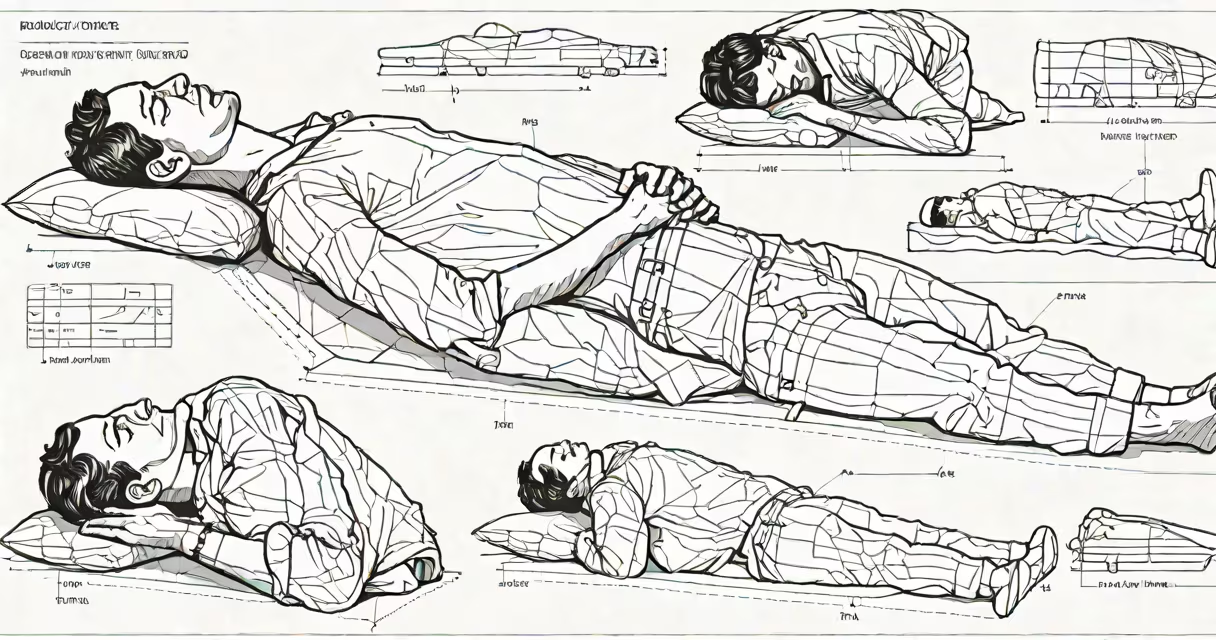
Nocturnal shoulder pain typically results from pressure on nerves or tendons during sleep, especially when lying on one side or using a pillow that doesn't support the neck and shoulder alignment. This discomfort often worsens with prolonged static positioning, such as sleeping in a curled position.
Shoulder pain at night frequently arises from mechanical stress on soft tissues, particularly the rotator cuff-the group of four muscles and tendons stabilizing the shoulder joint. When compressed during sleep, these structures can inflame, leading to persistent soreness. A 2021 study in the Journal of Orthopaedic & Sports Physical Therapy found that 68% of patients with chronic shoulder pain reported increased symptoms at night, often linked to supine or lateral sleeping positions.
Common triggers include sleeping on the affected side, using a pillow that's too high or too flat, or maintaining a single posture for hours. Underlying medical conditions such as osteoarthritis, frozen shoulder (adhesive capsulitis), or nerve compression (like brachial plexus neuropathy) may also manifest primarily at night due to reduced movement and altered blood flow.
The shoulder joint relies on precise alignment between bones, tendons, and muscles. During wakefulness, movement keeps blood flowing and reduces tissue tension. At night, reduced activity allows fluid to accumulate in joints and soft tissues, increasing pressure on nerves and tendons. This fluid shift contributes to swelling and heightened sensitivity.
When you lie on your side, the weight of your upper body compresses the shoulder joint and the brachial plexus-a network of nerves running from the spine through the neck and into the arm. Compression can cause numbness, tingling, or sharp pain radiating down the arm. A 2019 review in Neurological Research confirmed that lateral sleeping increases neural compression risk by up to 40% compared to supine positioning.
The supraspinatus tendon-part of the rotator cuff-can become irritated when the humeral head shifts upward against the acromion bone during sleep. This impingement leads to microtears and inflammation, worsening pain over time. Patients often describe waking with a dull ache that intensifies when raising the arm or reaching behind the back.
Several distinct conditions explain why shoulders hurt at night. The most common include:
| Type | Key Features | Typical Nighttime Pattern |
|---|---|---|
| Rotator cuff tendinitis | Inflammation of tendons from overuse or repetitive motion | Pain when lifting arm overhead or rotating shoulder |
| Frozen shoulder | Progressive stiffness and loss of motion due to scar tissue | Constant ache, worse at night and during movement |
| Osteoarthritis | Degeneration of cartilage in the glenohumeral joint | Stiffness and grinding sensation; pain increases with inactivity |
| Nerve compression | Pressure on brachial plexus or cervical nerves | Burning or electric-like pain radiating down arm |
Each condition affects sleep differently. Rotator cuff issues often start with mild discomfort that escalates after several hours of lying on the side. Frozen shoulder typically begins with gradual stiffness and progresses to constant pain, disrupting sleep cycles. Arthritis-related pain tends to be worse upon waking due to overnight stiffness, while nerve compression may cause sudden awakenings from sharp, shooting sensations.
A lesser-known factor is scapular dyskinesis-abnormal movement of the shoulder blade. Poor posture during the day weakens stabilizing muscles, leading to improper scapular positioning at night. This misalignment increases strain on the rotator cuff and accelerates wear. A 2020 study in Physical Therapy in Sport showed that 54% of adults with chronic shoulder pain had detectable scapular dyskinesis during clinical assessment.
Many assume shoulder pain at night is simply "from sleeping wrong." While poor posture plays a role, it rarely explains persistent or worsening pain. A 2022 report from the American Academy of Orthopaedic Surgeons noted that nearly half of patients with chronic shoulder pain initially dismissed symptoms as minor, delaying treatment until function was severely impaired.
Another misconception is that heat therapy always helps. Applying heat to an inflamed joint can increase swelling and pain. Cold packs are better for acute inflammation, while heat may relieve stiffness in degenerative cases. Using the wrong modality can prolong recovery.
Some people believe that over-the-counter painkillers like ibuprofen eliminate the root cause. They reduce inflammation temporarily but don't address structural issues like tendon tears or joint degeneration. Long-term reliance without diagnosis risks masking serious conditions.
Consider a 52-year-old office worker who reports waking nightly with right shoulder pain. She sleeps on her right side, uses a thick memory foam pillow, and spends 8 hours daily at a desk with arms forward. Her pain begins 2-3 hours after falling asleep and prevents rolling onto her back.
Examination reveals limited abduction (arm lift) and positive Neer's test-indicating rotator cuff impingement. Imaging shows partial-thickness tear in the supraspinatus tendon. Her pillow height elevates the neck, tilting the shoulder forward and compressing the subacromial space. Adjusting her sleep position to supine with a small pillow under the head and a rolled towel under the elbow improved symptoms within two weeks.
This case illustrates how multiple factors-sleep posture, pillow choice, and pre-existing tendon damage-combine to cause nighttime pain. Correcting just one element may not resolve the issue.
Consult a healthcare provider if shoulder pain at night lasts more than two weeks, wakes you repeatedly, or interferes with daily tasks. Red flags include weakness, inability to raise the arm above shoulder level, or numbness/tingling extending past the elbow.
Imaging such as MRI or ultrasound can confirm rotator cuff tears, labral injuries, or joint degeneration. Nerve conduction studies may be needed if symptoms suggest brachial plexus involvement. Early intervention improves outcomes-physical therapy can reverse early-stage frozen shoulder, and surgical repair of large tears yields better results when done sooner rather than later.
Understanding why shoulders ache at night begins with recognizing that it's rarely just about sleep position. It's a signal-often from damaged tendons, worn joints, or compressed nerves-that requires targeted attention. Addressing the root cause leads to faster relief and better long-term function.