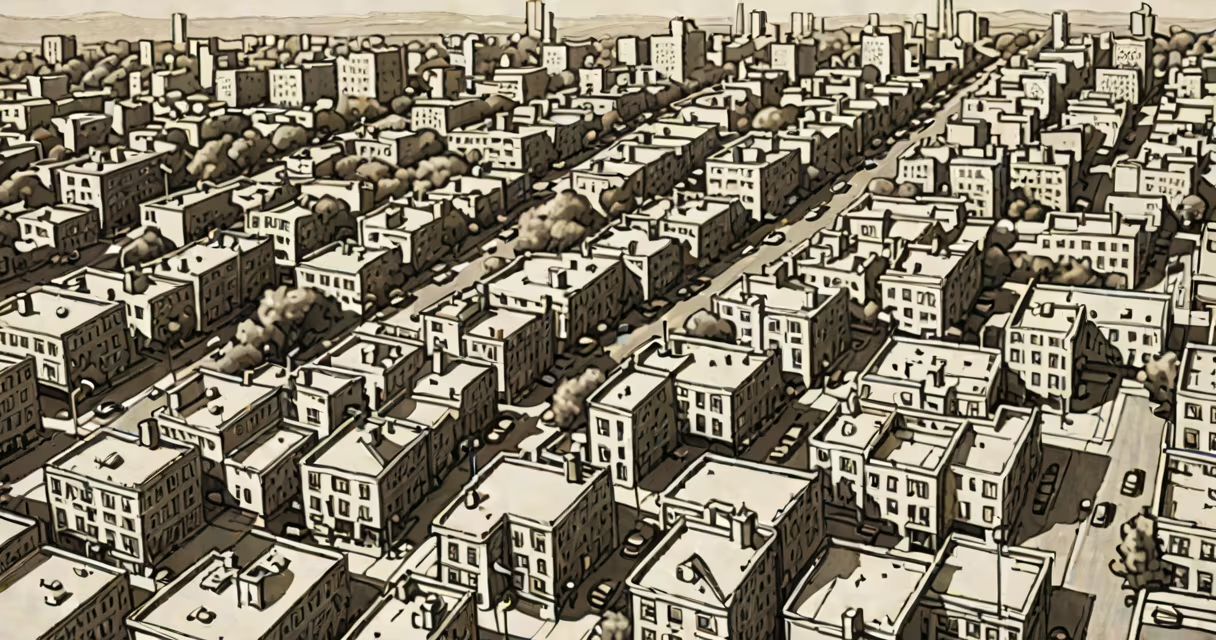
The impact on urban health refers to how city environments-through air quality, green space availability, transportation systems, and housing density-affect physical and mental well-being. This influence is measurable, systemic, and shaped by decades of infrastructure decisions.
Urban health outcomes are not random. They reflect long-term patterns in land use, zoning laws, and investment priorities. A resident living within 300 meters of a major highway faces higher risks of asthma and cardiovascular disease due to elevated particulate matter exposure. Conversely, someone near a tree-lined park reports lower stress levels and improved sleep quality. These differences are not individual choices-they are structural outcomes.
According to the World Health Organization, 80% of global air pollution-related deaths occur in cities. In New York City, neighborhoods with higher concentrations of diesel buses and traffic show a 22% increase in childhood asthma rates compared to low-traffic areas. The U.S. Centers for Disease Control and Prevention notes that access to recreational spaces reduces obesity risk by 15% among adults in high-density areas.
Environmental exposures in cities operate through direct biological pathways. Air pollutants like PM2.5 penetrate deep into lungs and enter the bloodstream. Noise from traffic and construction elevates cortisol levels, disrupting sleep and increasing hypertension risk. Heat islands-areas where pavement and buildings trap heat-raise temperatures by up to 5°C above surrounding rural zones, increasing heat stroke incidence during summer months.
These stressors compound over time. Chronic exposure leads to higher rates of diabetes, heart disease, and anxiety disorders. A 2021 study published in *The Lancet Planetary Health* found that people living in neighborhoods with less than 15% tree canopy cover had a 20% higher rate of depression diagnoses than those in greener areas, even after adjusting for income and education.
Access to healthcare services also varies by location. In Los Angeles, residents in South Central have 40% fewer primary care providers per capita than those in Westside neighborhoods. This gap contributes to delayed cancer screenings and higher mortality rates for treatable conditions.
Urban health is influenced by five interlocking systems:
| Factor | Health Effect | Example |
|---|---|---|
| Air quality | Respiratory illness, cognitive decline | Beijing's PM2.5 levels exceed WHO limits by 6x; linked to 12,000 premature deaths annually |
| Green space access | Lower stress, better mental health | London's "green prescription" program reduced GP visits by 18% in participating patients |
| Transportation design | Physical activity levels, accident rates | Copenhagen's bike-friendly network cuts car use by 45% and increases average daily walking distance by 1.2 km |
| Housing quality | Lead poisoning, mold-related illness | Flint, Michigan's water crisis exposed 10,000 children to lead; many still show developmental delays |
| Food environment | Obesity, diabetes | Food deserts in Detroit limit access to fresh produce; diabetes prevalence is 2.3x national average |
One overlooked factor is noise pollution. The European Environment Agency reports that chronic exposure to road noise above 55 dB increases the risk of ischemic heart disease by 12%. Cities like Barcelona have begun installing sound-absorbing pavements in high-traffic zones to reduce ambient noise by up to 10 dB.
Many assume that urban health is solely about personal behavior-eating well, exercising, avoiding smoking. But research shows that structural factors dominate. A 2020 analysis by the Urban Institute found that 78% of health outcome variation between U.S. cities is attributable to neighborhood-level conditions, not individual habits.
Another myth is that wealthier neighborhoods automatically have better health outcomes. While income correlates with health, it doesn't override environmental risk. In Houston, a wealthy suburb near a petrochemical plant has higher rates of rare cancers than nearby low-income areas without industrial exposure. Proximity to pollution sources matters more than household income.
Some believe that retrofitting old cities is too expensive. But cost-benefit analyses show returns. A 2019 study in *Nature Sustainability* found that every $1 invested in urban green space generates $6 in health and economic benefits over 20 years. Tree planting in Philadelphia reduced emergency room visits for respiratory issues by 15% in one year.
Bogotá, Colombia, launched Ciclovía in 1976: every Sunday, 76 miles of city streets close to vehicles, opening space for pedestrians and cyclists. Over 1.5 million people participate weekly.
Researchers from Johns Hopkins Bloomberg School of Public Health tracked health markers in participants over three years. They found: - 24% reduction in blood pressure among regular attendees - 19% increase in moderate physical activity - 11% drop in self-reported anxiety symptoms - 30% rise in social interaction frequency
These results were consistent across income groups. The program costs $1.2 million annually-less than 0.01% of the city's budget-but has become a model for 40+ cities worldwide.
When I visited Bogotá in 2022, I walked the route with a group of retirees. One man told me he hadn't walked more than 100 meters in years. After two hours on the closed roads, he said, "I feel like I'm alive again." That moment underscored how simple changes in urban design can restore dignity and health.
Addressing impact on urban health requires shifting focus from reactive medical care to proactive environmental design. Cities that prioritize walkability, green space, clean air, and equitable access see measurable improvements in life expectancy and quality of life. The evidence is clear: where we build matters as much as what we treat.