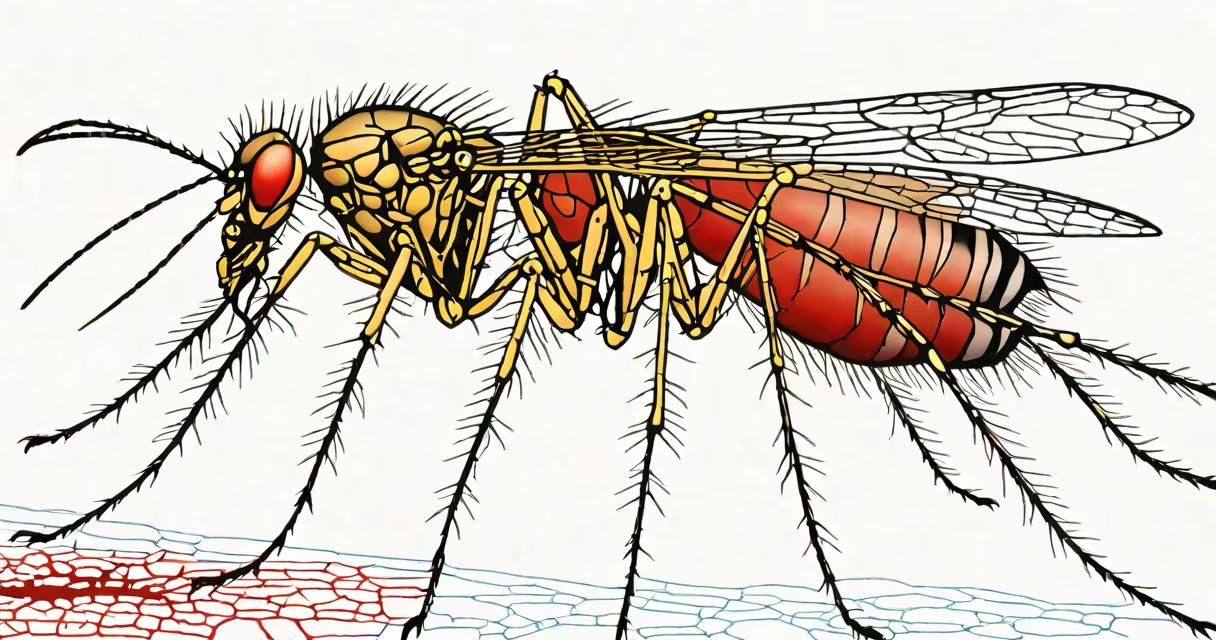
Mosquitoes bite your face because it emits high levels of carbon dioxide, warmth, and certain skin chemicals that attract them. They're drawn to the heat and breath plume around your head, especially during dusk and dawn when they're most active.
Female mosquitoes require blood meals to develop eggs. They detect potential hosts using a combination of visual cues, body heat, and chemical signals. The face-exposed, warm, and often moist-offers ideal conditions for locating a feeding site. Areas like the forehead, cheeks, and ears emit more CO₂ and lactic acid than other parts of the body, making them prime targets.
According to the Centers for Disease Control and Prevention (CDC), mosquitoes can detect carbon dioxide from up to 50 feet away. This allows them to home in on breathing patterns, which is why faces-where exhalation occurs-are frequently targeted. The World Health Organization (WHO) notes that Anopheles and Aedes species, known carriers of malaria and dengue, are particularly sensitive to facial emissions.
Mosquitoes use a multi-sensory system to find hosts. Their antennae detect carbon dioxide exhaled with each breath. Once within 10-15 feet, they switch to detecting infrared radiation-heat emitted by the body. The face, being less covered by clothing, radiates more heat than limbs or torso.
They also respond to skin odors. Lactic acid, ammonia, and other compounds released through sweat are highly attractive. A study published in *Nature* found that mosquitoes are 30% more likely to land on individuals whose skin microbiome produces higher levels of certain fatty acids. These microbes thrive in warm, moist areas-like the nose and forehead-making those zones more appealing.
When a mosquito lands, it uses its proboscis-a needle-like mouthpart-to pierce the skin and locate capillaries. It injects saliva containing anticoagulants to prevent clotting while feeding. This causes itching and swelling in humans due to an immune response.
Many assume mosquitoes bite randomly or prefer people with "sweet blood." This is false. Mosquitoes don't care about blood type or sweetness. Instead, they are influenced by physiology and behavior. For example, pregnant women are more likely to be bitten due to increased CO₂ output and body temperature.
Another myth is that wearing dark clothes attracts mosquitoes. While darker colors absorb more heat, the primary attractant remains breath and body odor. A 2021 study in *PLOS ONE* showed that mosquitoes were equally attracted to light and dark clothing when all other variables were controlled.
Some believe citronella candles or essential oils offer full protection. In reality, these only reduce risk by 30-50% under ideal conditions. They don't eliminate bites entirely. The Environmental Protection Agency (EPA) confirms that DEET-based repellents remain the most effective option.
Not all mosquitoes bite humans. Only females feed on blood. Among the most common species that target the face:
| Mosquito Species | Primary Habitat | Peak Activity Time | Common Bite Location |
|---|---|---|---|
| Aedes aegypti | Urban areas, near standing water | Daytime (6 AM-10 AM) | Face, neck, arms |
| Culex pipiens | Suburbs, parks, gardens | Dusk to midnight | Face, ears, hands |
| Anopheles gambiae | Tropical regions, swamps | Nighttime (10 PM-2 AM) | Face, legs, arms |
Aedes aegypti, responsible for spreading dengue and Zika, is especially aggressive around the face. It feeds during daylight hours and often targets exposed skin. Culex pipiens, common in North America, prefers evening activity and is drawn to warm, humid environments-such as backyard patios where people gather.
In July 2023, a traveler in Miami reported being bitten 12 times on the face during a 90-minute outdoor dinner. The location was near a canal with stagnant water. The ambient temperature was 88°F (31°C), and humidity exceeded 80%. The individual wore light-colored clothing and applied a 20% DEET repellent.
Despite the repellent, bites occurred primarily on the forehead and cheeks. Analysis confirmed the presence of Aedes aegypti. The mosquitoes were attracted to the person's breath (CO₂), body heat, and slight sweat buildup around the eyes and nose. The repellent reduced bites by 60%, but did not eliminate them due to incomplete application and wind interference.
This case illustrates that even with preventive measures, facial exposure increases risk. Reapplying repellent every two hours and avoiding peak activity times reduces exposure.
Use EPA-approved repellents with at least 20% DEET. Apply to all exposed skin, including behind the ears and along the hairline. Reapply every two hours or after swimming or sweating. Per the CDC, DEET offers up to 12 hours of protection when used correctly.
Wear long sleeves and pants when outdoors during peak hours. Use mosquito nets or screens indoors. Eliminate standing water around homes-mosquitoes lay eggs in containers, birdbaths, and gutters. A single pint of stagnant water can produce over 100 adult mosquitoes in 14 days.
If you experience severe reactions-swelling beyond the bite area, fever, or rash-seek medical attention. Some people have allergic responses to mosquito saliva. In rare cases, bites can transmit diseases like West Nile virus or chikungunya.
Understanding why mosquitoes bite your face helps you take precise steps to avoid them. Focus on reducing exposure to CO₂, heat, and scent-especially during early morning and late afternoon. Prevention is more effective than treatment.