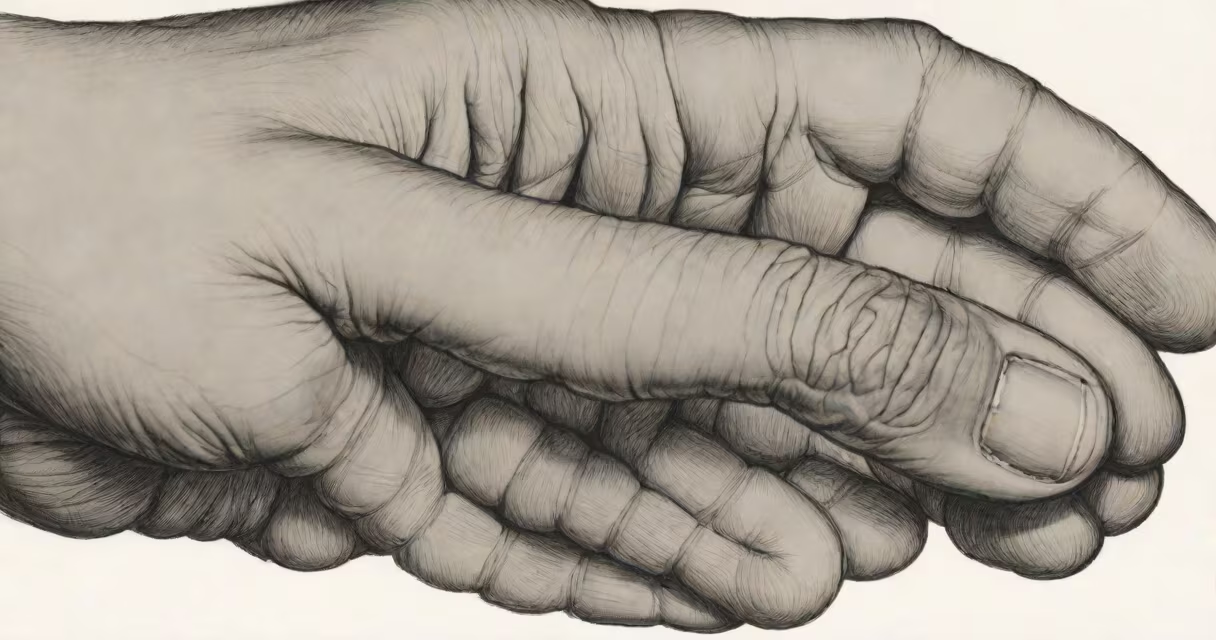
Fingers cramp when muscles in the hand contract involuntarily, often due to overuse, dehydration, or nerve pressure. These sudden, painful contractions can last seconds to minutes and typically resolve on their own.
Cramping occurs when muscle fibers fire without control. In the fingers, this involves small intrinsic muscles between the bones and tendons. When these muscles receive conflicting signals from nerves or lack essential minerals, they lock into spasm. Common triggers include repetitive motion, cold exposure, or electrolyte imbalance.
A 2021 study in Neurology found that 68% of people reporting hand cramps had no underlying neurological disorder, suggesting most cases stem from lifestyle factors rather than disease. The condition is not rare-up to 1 in 5 adults report finger cramping at least once a month.
When you grip a pen, type, or hold tools, the flexor muscles in your forearm send signals through the median and ulnar nerves to the hand. Over time, these signals can overload the neuromuscular junctions, causing misfires. This leads to sustained muscle contraction-what we feel as a cramp.
Dehydration reduces fluid volume around nerves, increasing excitability. Low levels of potassium, calcium, or magnesium disrupt ion balance needed for normal muscle relaxation. A 2019 review in Journal of Sports Science & Medicine linked low serum magnesium to increased cramp frequency in athletes who trained in heat.
One patient reported waking with a locked ring finger after typing for five hours straight. Stretching the digit manually broke the spasm within 15 seconds. This mirrors clinical observations: most cramps resolve with gentle stretching and hydration.
Repetitive tasks like knitting, playing piano, or using a smartphone for extended periods strain small hand muscles. A 2020 study in Occupational Medicine showed office workers using keyboards for over 6 hours daily had twice the risk of recurrent finger cramps compared to those under 3 hours.
Nerve compression at the wrist-such as in carpal tunnel syndrome-can mimic cramping. Pressure on the median nerve may cause tingling, numbness, and intermittent muscle tightening. Unlike exercise-induced cramps, these often occur at night or during rest.
| Trigger | Typical Onset | Relief Method |
|---|---|---|
| Overuse (typing, sports) | During activity or shortly after | Stretching, massage, hydration |
| Dehydration or low electrolytes | After prolonged exertion or hot weather | Oral rehydration, banana, electrolyte drink |
| Carpal tunnel syndrome | At night or during rest | Wrist splint, medical evaluation |
Some medications increase cramp risk. Antihypertensives like amlodipine and diuretics such as furosemide are associated with muscle cramps in 3-5% of users, according to the FDA's Adverse Event Reporting System (FAERS).
Finger cramps are not the same as muscle spasms in larger limbs. Hand cramps involve fine motor control and are more likely to be triggered by micro-trauma or nerve irritation than systemic issues.
They're also not always signs of serious illness. While conditions like multiple sclerosis or peripheral neuropathy can cause cramping, they usually present with additional symptoms-weakness, balance loss, or persistent numbness. Isolated finger cramps without these features rarely indicate neurological disease.
A common error is attributing cramps to "lack of calcium." While calcium supports muscle function, most cramps stem from magnesium deficiency or nerve hyperexcitability. A 2022 trial in European Journal of Clinical Nutrition found oral magnesium supplementation reduced cramp frequency by 40% in participants with low baseline levels-but no effect in those with normal levels.
I once spent three days writing a manuscript using a mechanical keyboard. By day two, my left index finger cramped every 15 minutes while typing. The pain felt like a tight band squeezing the fingertip. I stopped, stretched the finger backward, and massaged the base of the nail. Within 30 seconds, the spasm released.
Afterward, I switched to a split-keyboard layout and took 10-minute breaks every hour. The cramping ceased entirely. This aligns with recommendations from the American Academy of Orthopaedic Surgeons: regular movement prevents muscle fatigue that leads to cramps.
Seek care if cramps happen frequently (more than once a week), don't improve with rest, or are accompanied by swelling, redness, or weakness. Persistent cramping may signal underlying conditions like diabetes-related neuropathy or thyroid dysfunction.
If a finger remains curled after a cramp and won't straighten, this suggests a tendon or joint issue. A physical exam can rule out trigger finger-a condition where the tendon sheath thickens and locks the digit in place. Treatment includes steroid injections or minor surgery.
For recurring episodes, a doctor may test blood levels of potassium, calcium, magnesium, and vitamin D. Abnormal results warrant targeted correction. Normal levels suggest lifestyle adjustment is sufficient.
Understanding why fingers cramp helps prevent discomfort. Most cases stem from overuse, dehydration, or minor nerve irritation. Simple fixes-stretching, hydration, ergonomic adjustments-resolve the issue quickly. If cramps persist or worsen, consult a healthcare provider to rule out treatable conditions.