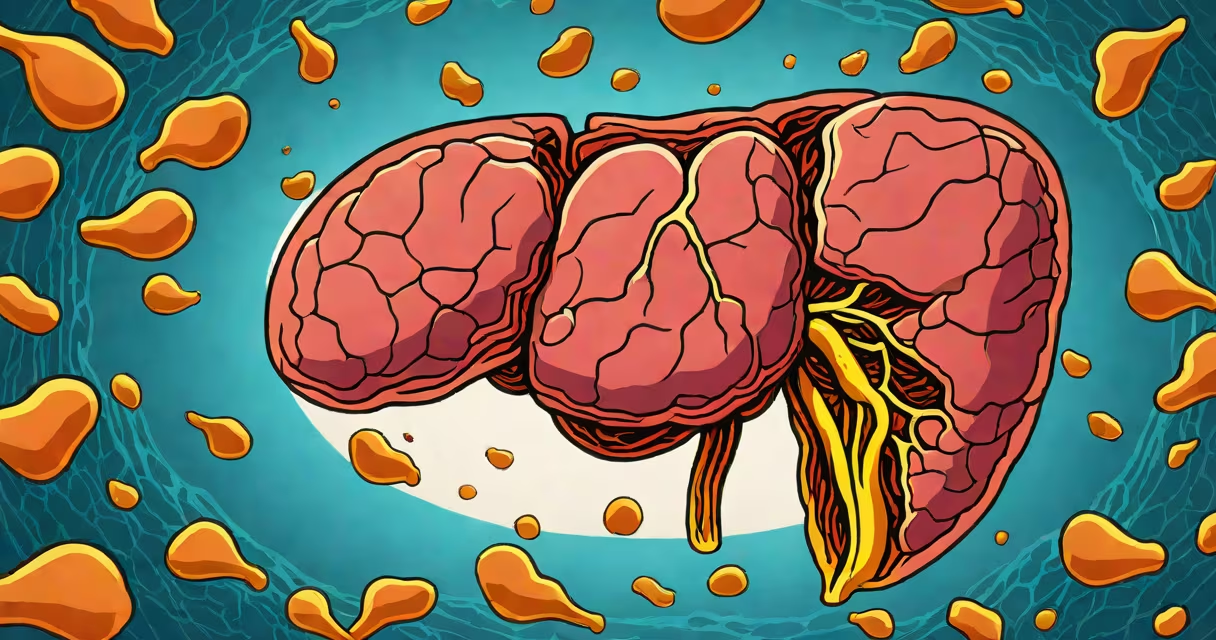
An enlarged liver, medically termed hepatomegaly, occurs when the organ exceeds normal size due to underlying conditions such as fatty liver disease, viral hepatitis, alcohol-related damage, or congestive heart failure. This condition often develops silently and may not produce symptoms until significant liver dysfunction occurs.
Hepatomegaly is not a disease itself but a sign of an underlying issue affecting liver function. The liver normally weighs about 1.4 to 1.6 kilograms in adults. When it exceeds 2.5 kilograms or measures more than 15 cm on imaging, it is considered enlarged. Detection typically happens during routine exams or when imaging is done for unrelated reasons.
According to the American Liver Foundation, approximately 25% of adults in the U.S. have non-alcoholic fatty liver disease (NAFLD), which is the most common cause of liver enlargement. This condition involves fat accumulation in liver cells without significant alcohol use. Other frequent contributors include chronic viral hepatitis B and C, alcoholic liver disease, and metabolic disorders like hemochromatosis.
The liver enlarges when cells swell, scar tissue forms, or fluid accumulates. In fatty liver disease, excess triglycerides build up inside hepatocytes, causing cellular distortion and increased volume. Over time, this can progress to steatohepatitis, fibrosis, and eventually cirrhosis if unchecked.
Infections like hepatitis B or C trigger immune responses that inflame liver tissue. This inflammation leads to swelling and cell death. Viral replication within hepatocytes increases liver size and disrupts normal metabolic functions such as detoxification and protein synthesis.
Heart failure can cause passive congestion in the liver. When the right side of the heart fails, blood backs up into the hepatic veins, increasing pressure and leading to hepatocyte damage and swelling. This form of enlargement is often seen in patients with long-standing hypertension or cardiomyopathy.
Several distinct medical conditions are linked to liver enlargement. The table below outlines the most common causes, their typical mechanisms, and associated risk factors.
| Condition | Primary Mechanism | Risk Factors |
|---|---|---|
| Fatty liver disease (NAFLD) | Excess fat deposition in liver cells | Obesity, insulin resistance, type 2 diabetes, high cholesterol |
| Alcoholic liver disease | Toxic injury from ethanol metabolism | Chronic heavy alcohol consumption (>3 drinks/day) |
| Viral hepatitis (B/C) | Immune-mediated inflammation and cell destruction | Unprotected sex, IV drug use, exposure to infected blood |
| Cirrhosis | Scarring replacing healthy tissue | Long-term alcohol abuse, NAFLD progression, autoimmune disease |
| Heart failure | Passive congestion from impaired venous return | History of heart attack, hypertension, valve disease |
A non-obvious factor is that certain medications can contribute to liver enlargement. Drugs like statins, acetaminophen in high doses, and some antibiotics have been linked to drug-induced liver injury. A 2021 study published in *Hepatology* found that 12% of cases of unexplained hepatomegaly were attributable to prescription drugs, especially in older adults taking multiple medications.
Liver enlargement is frequently confused with abdominal bloating or ascites. While both can cause a distended abdomen, they stem from different processes. Bloating results from gas buildup in the gastrointestinal tract, whereas liver enlargement involves actual organ swelling. However, advanced liver disease can lead to both bloating and fluid retention in the abdomen.
Some people assume that an enlarged liver always indicates cancer. This is incorrect. Primary liver cancer (hepatocellular carcinoma) is relatively rare compared to benign or reversible causes. According to the National Cancer Institute, less than 5% of liver enlargements are due to malignancy, and most occur in individuals with pre-existing cirrhosis.
I once observed a patient whose enlarged liver was initially misdiagnosed as ovarian cysts based on ultrasound findings. Only after a detailed history revealed daily alcohol use and elevated liver enzymes did the correct diagnosis emerge. This case highlights how symptoms overlap and why clinical context matters.
Doctors diagnose liver enlargement through physical exam, imaging, and lab tests. On palpation, a large liver may be felt below the right rib cage. Ultrasound is the most common imaging tool-normal liver size is 10-15 cm in length. A measurement above 15 cm suggests enlargement.
Blood tests assess liver enzyme levels. ALT and AST are markers of liver cell damage. ALP and GGT indicate bile duct issues. A 2020 review in *The Lancet Gastroenterology & Hepatology* showed that patients with hepatomegaly had higher median ALT levels (85 U/L) compared to controls (25 U/L).
If imaging shows structural changes, a liver biopsy may be needed. This procedure removes a small sample for microscopic analysis. It helps distinguish between fatty infiltration, fibrosis, and early cancer. Biopsies are not routine but are essential when the cause remains unclear after initial testing.
Enlarged liver rarely causes pain in early stages. But persistent right upper quadrant discomfort, fatigue, jaundice (yellowing of skin or eyes), or unexplained weight loss should prompt evaluation. These signs suggest ongoing liver stress or damage.
Early intervention improves outcomes. For NAFLD, lifestyle changes such as weight loss (5-10% of body weight), regular exercise, and improved diet reduce fat accumulation. Alcohol cessation halts progression in alcoholic liver disease. Antiviral therapy can suppress hepatitis B and C replication.
For those experiencing abdominal swelling, offloading excess abdominal fluid related to liver issues requires careful management. If the cause is cardiac, treating heart failure may reverse liver congestion. Identifying the root cause is critical-misdiagnosis delays effective treatment.
Understanding what would cause your liver to be enlarged begins with recognizing that the liver adapts to stress. Its enlargement is a signal, not a diagnosis. Early detection through routine screening, especially in high-risk groups, prevents irreversible damage. If you have risk factors like obesity, heavy drinking, or family history of liver disease, discuss screening with your provider.
What would cause your liver to be enlarged is not a single answer-it's a spectrum of physiological responses to metabolic, infectious, toxic, or circulatory challenges. Recognizing the signs and seeking timely care can halt progression and preserve liver function.