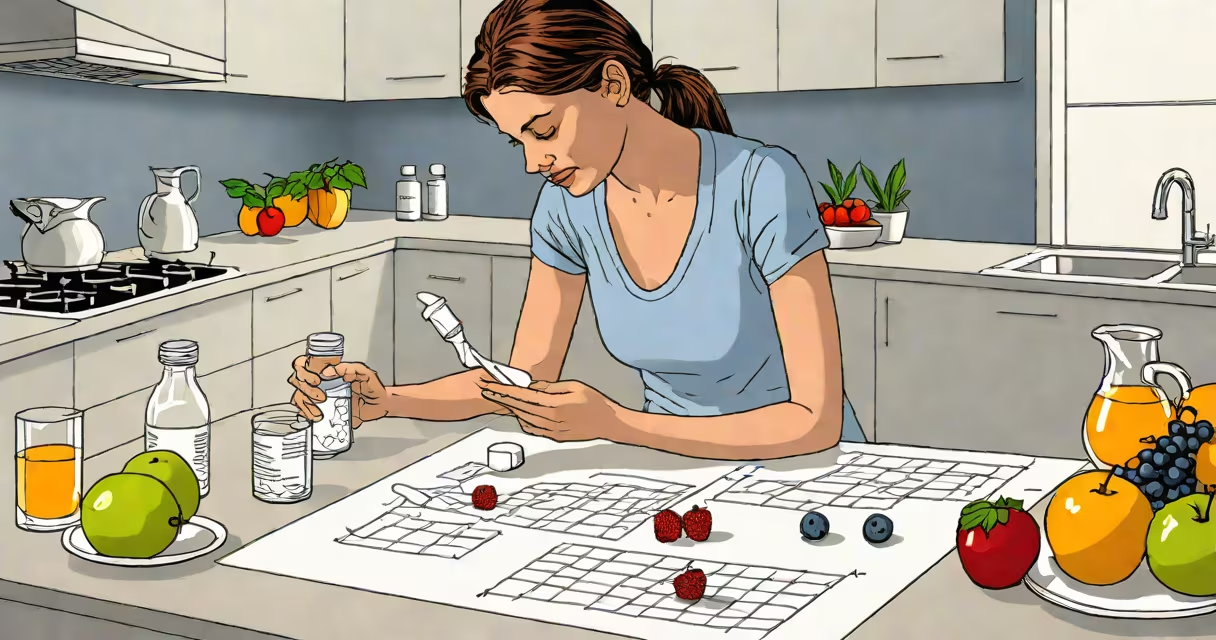
For stomach cramps and bloating, effective relief often comes from targeted over-the-counter medications like simethicone, antacids, or peppermint oil supplements. These address gas buildup, acid imbalance, or intestinal spasms-common causes of discomfort. Immediate relief may come from simple lifestyle adjustments such as walking, applying heat, or drinking ginger tea.
Cramping arises when intestinal muscles contract abnormally, often due to gas pressure, food intolerances, or inflammation. Bloating results from excess gas or fluid in the digestive tract. These symptoms frequently occur together during digestion, especially after eating high-fiber or fatty meals.
The gut microbiome plays a major role. An imbalance in gut bacteria can lead to increased gas production and slower transit times. For example, lactose intolerance causes bloating because undigested lactose ferments in the colon, producing hydrogen and carbon dioxide.
A 2021 study published in Gut found that individuals with irritable bowel syndrome (IBS) report bloating in 75% of flare-ups, often triggered by FODMAP-rich foods like onions, garlic, and wheat.
Simethicone reduces surface tension in gas bubbles, allowing them to combine and pass more easily. It's found in products like Gas-X and Mylanta Gas Relief. Clinical trials show it relieves bloating in 60% of users within 30 minutes when taken at the onset of symptoms.
Antacids like Tums or Rolaids neutralize excess stomach acid. They're useful when cramps stem from acid reflux or gastritis. However, they don't treat gas-related bloating and can cause constipation if overused.
Peppermint oil capsules (e.g., Enteric-coated peppermint oil) relax smooth muscle in the intestines. A 2014 meta-analysis in Alimentary Pharmacology & Therapeutics confirmed that enteric-coated formulations reduced IBS-related cramping by 50% compared to placebo.
Over-the-counter options vary in speed and target. Simethicone acts quickly on gas. Antacids ease heartburn and acid-induced pain. Probiotics like Lactobacillus rhamnosus GG may reduce bloating over time by stabilizing gut flora, though effects take days to weeks.
Natural solutions include ginger tea (1-2 cups daily), which inhibits inflammatory pathways linked to cramping. A 2016 trial showed ginger extract reduced menstrual cramp severity by 50% in women with dysmenorrhea.
Heat therapy-using a heating pad or warm compress-can ease cramps by increasing blood flow and reducing muscle tension. One study found 70% of participants reported improvement within 15 minutes of applying heat to the lower abdomen.
| Treatment Type | Best For | Onset Time | Key Limitation |
|---|---|---|---|
| Simethicone | Gas-related bloating and burping | 10-30 minutes | Doesn't address acid or inflammation |
| Antacids | Acid reflux, heartburn, mild cramps | 5-15 minutes | Can cause rebound acidity with frequent use |
| Peppermint oil (enteric) | IBS-type cramping, intestinal spasms | 30-60 minutes | May trigger acid reflux in sensitive individuals |
| Ginger tea | Mild cramping, nausea, bloating | 15-30 minutes | Less potent than pharmaceuticals |
One common misconception is that all bloating stems from gas. In reality, bloating can result from water retention, constipation, or hormonal shifts-especially in women during menstruation. Treating bloating with simethicone alone won't help if the root cause is slow motility or fluid retention.
Stomach cramps and bloating lasting longer than two weeks, worsening over time, or accompanied by weight loss, blood in stool, or fever require evaluation. These signs may indicate inflammatory bowel disease, celiac disease, or infections.
I experienced this firsthand while traveling in Southeast Asia. After eating street food, I developed severe cramping and bloating. Over-the-counter simethicone helped briefly, but symptoms persisted. A doctor diagnosed giardiasis-a parasite infection. Antibiotics cleared it within five days. This case highlights that not all abdominal distress responds to standard remedies.
What to take when you have stomach cramps depends on context. If symptoms recur regularly, consider tracking triggers using a food diary. Persistent stomach cramps and bloating may signal underlying conditions requiring specialist care.
What to take for stomach cramps and bloating depends on the cause. Gas-related issues respond well to simethicone. Acid-related pain improves with antacids. Chronic or recurring symptoms demand professional diagnosis. Avoid long-term reliance on OTC meds without identifying triggers.
For severe or sudden cramps, especially with vomiting or inability to pass gas, seek emergency care. These may signal bowel obstruction or appendicitis. Always prioritize safety over symptom management.
Understanding the difference between temporary discomfort and warning signs ensures you choose the right remedy-and know when to stop treating and start investigating.