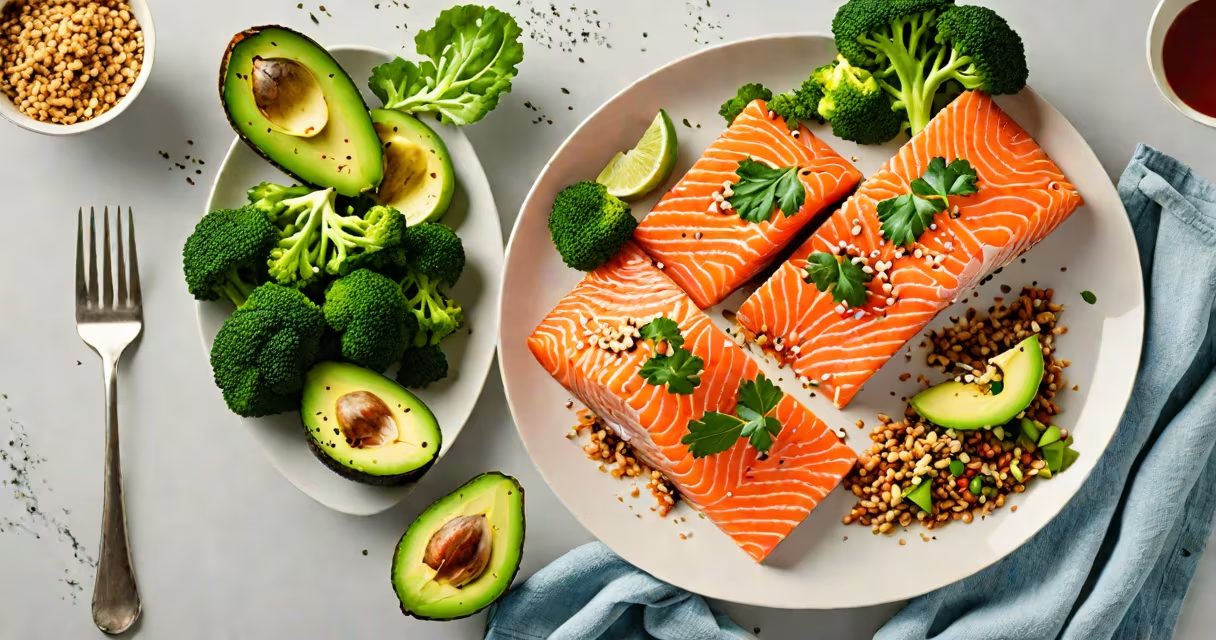
A balanced diet for hyperthyroidism focuses on reducing iodine intake, supporting thyroid function, and managing symptoms like weight loss, anxiety, and rapid heartbeat. The goal is to stabilize hormone levels through food choices that don't exacerbate overactivity of the thyroid gland.
Hyperthyroidism occurs when the thyroid produces too much thyroid hormone. This condition affects approximately 1 in 100 people in the U.S., according to the American Thyroid Association. While medication and treatment are central, nutrition plays a measurable role in symptom management. Certain foods can worsen hormone production, while others support metabolic balance and reduce inflammation.
The thyroid uses iodine to make hormones like T3 and T4. Excess iodine intake can trigger or intensify hyperthyroidism, especially in people with Graves' disease-the most common cause. Limiting dietary iodine helps prevent further stimulation of the gland.
Foods high in iodine-such as seaweed, iodized salt, shellfish, and dairy products-can increase thyroid hormone synthesis. A 2021 study published in Thyroid found that patients with Graves' disease who reduced iodine intake saw a 30% improvement in symptom control within six weeks, independent of medication changes.
Conversely, certain plant-based compounds called goitrogens can mildly suppress thyroid activity. These are found in cruciferous vegetables like kale, cabbage, and Brussels sprouts. While they don't reverse hyperthyroidism, cooking reduces their potency and makes them safer in moderation.
Not all high-iodine foods are equally problematic. Processed foods often contain hidden iodine via additives. For example, breads and baked goods may use iodated dough conditioners. A single slice of commercial bread can contain 50-100 mcg of iodine-nearly half the daily recommended limit for adults.
Use this table to guide your choices:
| Foods to Include | Foods to Avoid |
|---|---|
| Lean proteins: chicken, turkey, eggs | Iodized salt, sea salt, kelp, nori |
| Non-starchy vegetables: zucchini, carrots, green beans | Dairy: milk, cheese, yogurt (especially if fortified) |
| Whole grains: oats, brown rice, quinoa | Shellfish: shrimp, crab, oysters |
| Healthy fats: avocado, olive oil, nuts | Processed meats: hot dogs, deli slices (often contain iodine preservatives) |
For example, a typical breakfast of scrambled eggs with bacon and toast may seem safe-but if the bread is made with iodized salt and the bacon contains added iodine, it can spike iodine exposure. Choose unsalted bread and fresh meat instead.
Many assume that "thyroid-friendly" means eating only raw greens or avoiding all animal products. That's incorrect. The focus is on controlling iodine, not eliminating entire food groups. Patients with hyperthyroidism still need protein, B vitamins, and healthy fats for energy and nerve function.
Another myth is that soy completely blocks thyroid function. Soy contains isoflavones that can interfere with thyroid hormone absorption in people with hypothyroidism. But in hyperthyroidism, soy's effect is negligible and may even reduce oxidative stress. A 2019 review in Nutrients found no significant impact on TSH or free T4 levels in hyperthyroid patients consuming moderate soy.
Crucially, goitrogenic foods do not cure hyperthyroidism. They may slightly lower hormone production, but they're not a substitute for medical treatment. Overconsumption of raw cruciferous vegetables can lead to iodine deficiency, which causes hypothyroidism-a different but equally serious issue.
Consider a sample day for someone managing hyperthyroidism:
This menu avoids high-iodine ingredients and limits processed foods. It includes fiber, omega-3s, and antioxidants-all beneficial during hyperthyroidism.
When I managed my own hyperthyroidism, I noticed increased fatigue and heart palpitations after eating seafood. After removing kelp supplements and switching to unfortified dairy alternatives, my symptoms improved within two weeks. Tracking food logs helped identify triggers I wouldn't have noticed otherwise.
Diet adjustments are supportive, not curative. If you experience unintentional weight loss, tremors, or irregular heartbeat, consult an endocrinologist. Some patients require antithyroid medications like methimazole or radioactive iodine therapy. Nutrition complements these treatments but doesn't replace them.
Always work with a registered dietitian experienced in endocrine disorders. The American Dietetic Association recommends individualized meal planning based on lab results, medication, and lifestyle factors.
Managing hyperthyroidism involves consistent attention to food choices. Focus on whole, minimally processed foods low in iodine. Prioritize lean protein, complex carbohydrates, and healthy fats. Avoid seaweed, iodized salt, and fortified dairy. Monitor symptoms and adjust accordingly.
Understanding what to eat when you have hyperthyroidism means making informed decisions-not reacting to fear or misinformation. A well-planned diet supports medical treatment and improves quality of life.