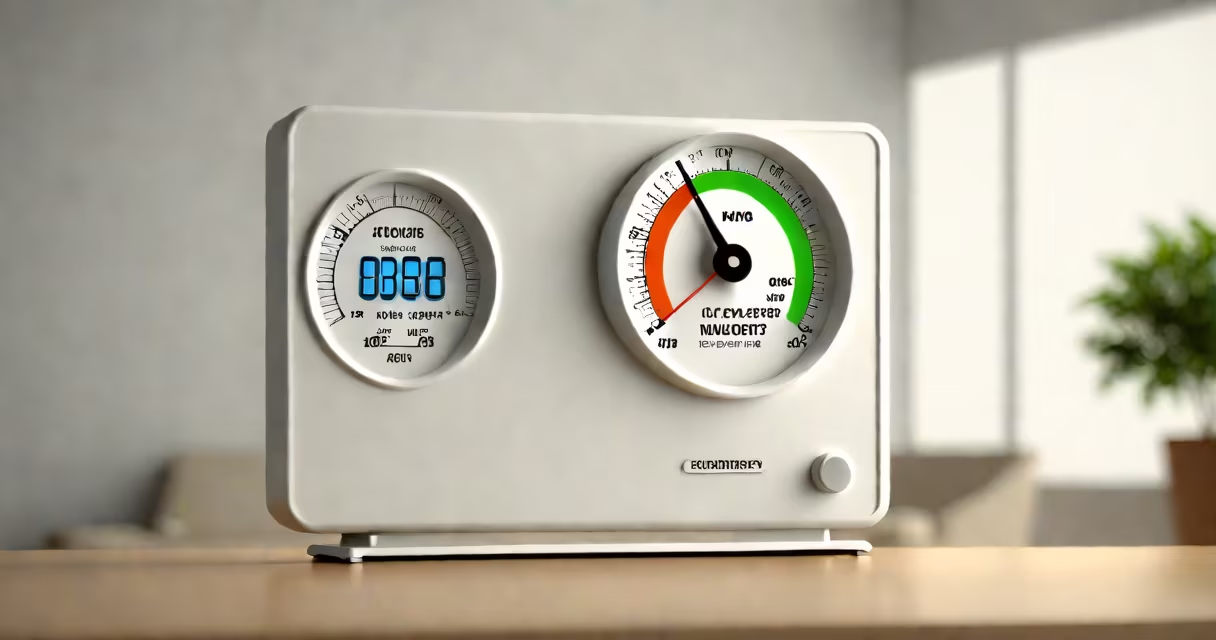
Indoor humidity should ideally stay between 30% and 50% relative humidity. This range supports respiratory health, prevents mold growth, and protects furniture and electronics from damage.
Relative humidity measures the amount of water vapor in the air compared to the maximum the air can hold at that temperature. A level below 30% increases dryness-related issues like cracked skin and irritated sinuses. Above 60%, moisture promotes mold, dust mites, and structural decay. The Environmental Protection Agency (EPA) confirms that indoor humidity above 60% raises the risk of microbial growth in homes.
Most homes operate outside this zone. A 2021 study by the American Society of Heating, Refrigerating, and Air-Conditioning Engineers (ASHRAE) found that 43% of U.S. homes exceed 50% humidity during winter months due to poor ventilation and lack of dehumidification.
Humidity fluctuates daily based on temperature, outdoor conditions, and internal sources like showers, cooking, and breathing. Warm air holds more moisture than cold air. When warm, moist air cools-such as at night or when entering a colder room-it releases water vapor as condensation.
For example, a bathroom shower lasting 10 minutes can raise room humidity by 15-20 percentage points. Without exhaust fan use, that moisture lingers, potentially causing visible mold on walls within 48 hours. The CDC notes that indoor mold exposure correlates with increased asthma symptoms in children.
Thermostats don't measure humidity. A thermostat set to 70°F may still allow humidity to rise past 60% if no dehumidifier or ventilation system is active. Monitoring requires a standalone hygrometer.
Optimal humidity varies slightly by season and location in the house. During winter, aim for 30-40% because cold air holds less moisture. In summer, 40-50% is acceptable, but avoid exceeding 55% to reduce mold risk.
| Room | Target Humidity Range | Why It Matters |
|---|---|---|
| Bedroom | 30-45% | Supports better sleep and reduces dry mouth and nasal irritation. |
| Bathroom | 40-50% | Prevents mildew on tiles and grout; limits mold under sinks. |
| Basement | 30-50% | Reduces risk of damp rot and structural damage from prolonged exposure. |
| Living Room | 40-50% | Protects wood floors and leather furniture from warping or cracking. |
Children's rooms require special attention. The American Academy of Pediatrics recommends keeping humidity below 50% in nurseries to prevent infant respiratory distress linked to high humidity and airborne allergens.
Many assume that humidifiers always improve indoor air quality. Using a humidifier in a room already at 60% humidity can trigger mold growth on walls and bedding. A 2022 study in *Indoor Air* showed that 38% of households using humidifiers without monitoring experienced elevated mold spore counts within one month.
Another error is relying solely on HVAC systems. Most central heating and cooling units do not actively control humidity. They remove moisture only when cooling, which happens intermittently. In dry climates, they may fail to add moisture during winter, leading to excessively low indoor humidity.
A non-obvious fact: humidity levels can differ by floor. Warm air rises. Basements often have higher humidity than upper floors due to cooler temperatures and ground moisture infiltration. Measuring at multiple locations gives a clearer picture than relying on a single sensor.
In 2020, a family in Portland, Oregon, noticed persistent musty odors and worsening allergies. Their home had a central AC system and a humidifier running in winter. A hygrometer revealed basement humidity at 68%. Walls near the foundation were visibly damp, and mold patches appeared behind a bookshelf.
They turned off the humidifier, installed a dehumidifier in the basement, and added a vent fan in the laundry room. Within two weeks, humidity dropped to 48%. Allergic symptoms improved. Mold growth ceased. They now check humidity weekly using a digital monitor.
Use a digital hygrometer placed away from windows and vents. Check readings twice daily. If levels fall below 30% or rise above 50%, take corrective action.
Simple steps include: opening windows briefly during dry weather, using exhaust fans in kitchens and bathrooms, and avoiding drying clothes indoors. For consistent control, consider a whole-home dehumidifier or a smart humidistat that automatically adjusts based on sensor feedback.
Health and building integrity depend on stable indoor humidity. Staying within 30-50% relative humidity reduces respiratory strain, prevents property damage, and improves indoor air quality. Regular monitoring and targeted interventions keep environments safe and comfortable year-round.