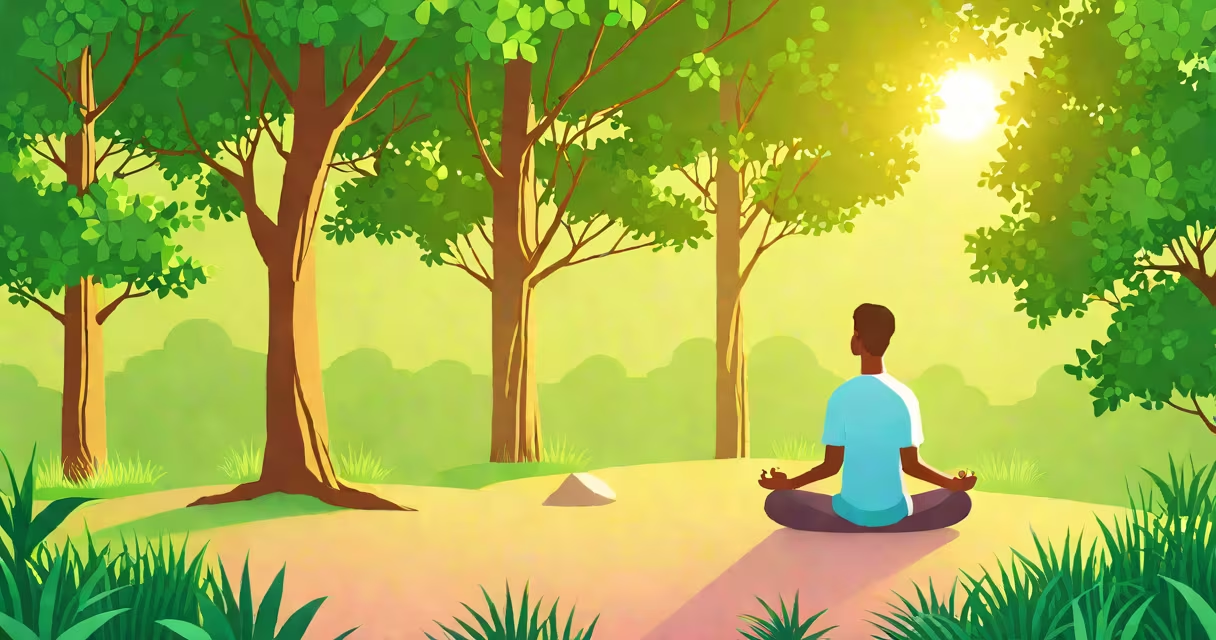
Spiritual health is the capacity to find meaning, purpose, and connection in life beyond material or physical concerns. It involves inner awareness, values alignment, and a sense of belonging to something larger-whether nature, community, or a personal belief system. This state supports emotional stability and long-term well-being.
Spiritual health is not tied to organized religion. A person can practice it without attending services, praying, or following doctrine. Instead, it centers on internal experiences: reflection, gratitude, presence, and ethical living. Research from the National Institutes of Health shows that individuals who report higher levels of spiritual well-being have lower rates of depression and better coping strategies during stress.
For example, someone recovering from addiction may define spiritual health as daily journaling about values, spending time in nature, and volunteering weekly. These actions aren't religious-but they build a sense of continuity, responsibility, and hope. That's spiritual health in action.
It functions through consistent practices that nurture self-awareness and connection. These include mindfulness, gratitude rituals, service, creative expression, and quiet reflection. They don't require special tools-just intention and repetition.
The brain responds to these activities with measurable changes. A 2016 study published in *Frontiers in Psychology* found that regular meditation (a common spiritual practice) increases gray matter density in areas linked to emotional regulation and attention. Another study in *The Journal of Clinical Psychology* showed that people who engaged in reflective writing about life meaning reported reduced anxiety and improved sleep quality over six weeks.
These effects aren't mystical-they're neurological. When you pause to reflect, express thanks, or focus on breath, your nervous system shifts toward calm. Over time, this builds resilience against burnout, grief, and chronic stress.
Spiritual health isn't one-size-fits-all. It varies by culture, personality, and life stage. Still, four core elements appear consistently across research:
| Component | Description | Example Practice |
|---|---|---|
| Purpose | A clear sense of direction and goals aligned with values. | Writing a personal mission statement. |
| Connection | Feeling part of a group, system, or larger story. | Volunteering at a food pantry or joining a hiking club. |
| Inner Peace | Emotional calm, even amid chaos. | Morning breathing exercises or silent walks. |
| Transcendence | Experiencing awe, wonder, or unity beyond the self. | Stargazing, listening to symphonies, or watching sunrise. |
Some people emphasize purpose; others thrive on connection. A student facing academic pressure might find spiritual strength in writing letters to future selves. A retiree might grow through gardening or storytelling with grandchildren. Both are valid paths.
Many assume spiritual health requires faith, prayer, or church attendance. But the American Psychological Association defines it broadly: "Spiritual health is not dependent on religious belief. It includes personal beliefs about life's meaning and values."
Another error is equating it with happiness. Spiritual health isn't about constant positivity. It includes processing grief, anger, and doubt. In fact, a 2020 study in *Psychology of Religion and Spirituality* found that people who accepted difficult emotions as part of their process reported deeper spiritual fulfillment than those who avoided pain.
There's also confusion with mental health. While both affect mood and behavior, spiritual health focuses on meaning-making, not symptom management. Someone can be clinically depressed yet feel spiritually grounded. Conversely, a person may feel "high" from spiritual practices but still struggle with anxiety or trauma. They're related but distinct domains.
I once worked with a nurse who described burnout after years in emergency care. She felt drained, disconnected, and questioned her career choice. Her therapist suggested she try a simple ritual: each morning, she'd sit for five minutes with tea, close her eyes, and ask, "What matters most today?" No answers were required-just presence.
After three weeks, she began noticing small moments of meaning: a patient's smile, a colleague's kind word, the sound of rain on the roof. She didn't fix her job-but she rebuilt her relationship with it. Her energy returned. She later said, "I wasn't healing my spirit to escape work. I was learning to be present in it."
This is spiritual health: not escaping reality, but engaging with it differently. It's not about achieving enlightenment-it's about showing up with intention.
When you're overwhelmed, try this: name one thing you value deeply. Then spend ten minutes doing something that reflects it-even if it's small. Writing a note to a friend, planting a seed, cleaning a shelf with care. These acts aren't trivial. They anchor you in purpose. That's spiritual health.
Spiritual health isn't a destination. It's a daily choice to seek meaning, show up with integrity, and stay connected-to yourself, others, and the world around you.