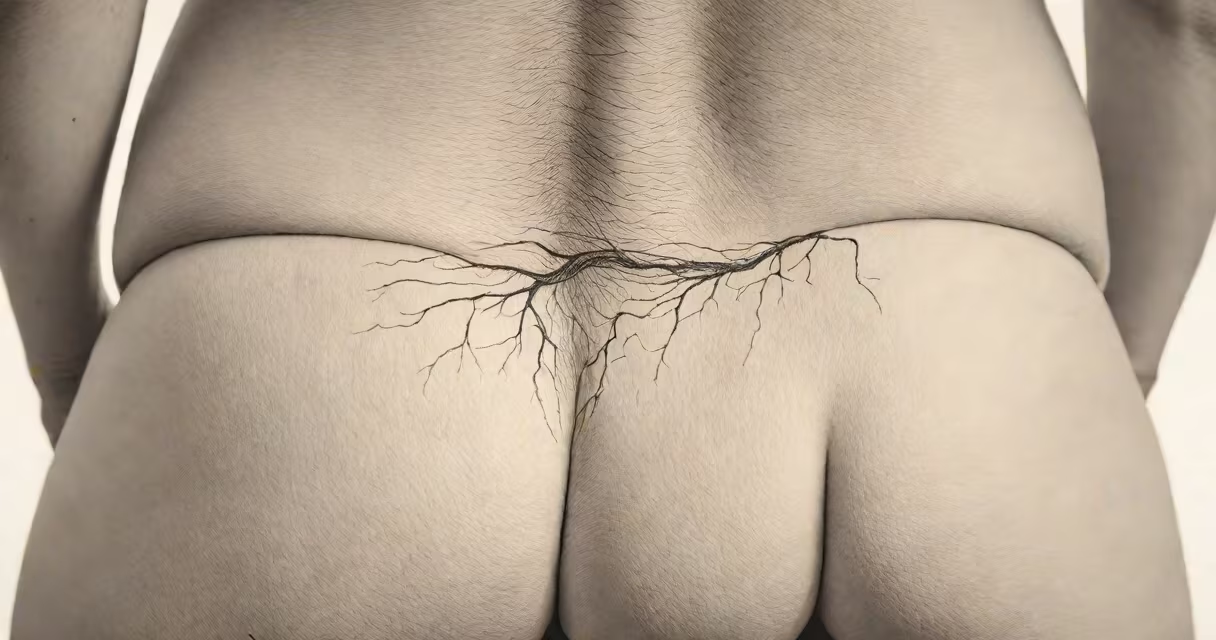
Inflammation in the lower back arises when tissues around the lumbar spine react to injury, infection, or immune system misfires. It manifests as localized pain, stiffness, and reduced mobility. This condition often results from mechanical stress, nerve irritation, or underlying medical disorders.
The lower back contains five lumbar vertebrae, intervertebral discs, facet joints, ligaments, and nerves. When any of these structures sustain damage or undergo wear, the body releases inflammatory mediators like cytokines and prostaglandins. These chemicals increase blood flow, attract immune cells, and heighten pain sensitivity-hallmarks of acute or chronic inflammation.
Common triggers include sudden trauma (e.g., lifting heavy objects improperly), repetitive strain (such as prolonged sitting), or progressive degeneration of spinal discs. Autoimmune diseases like ankylosing spondylitis may also cause persistent inflammation in the spine's joints and ligaments.
When a disc herniates or a joint becomes misaligned, damaged tissue sends distress signals to the immune system. White blood cells flood the area, releasing enzymes that break down debris-but also harm healthy tissue. This process leads to swelling, heat, and tenderness in the lower back region.
Prolonged inflammation can lead to fibrosis (scar tissue formation) and nerve compression. For example, a bulging L4-L5 disc may press on the sciatic nerve root, triggering radicular pain that radiates down the leg. MRI scans often show increased signal intensity in affected areas due to fluid buildup and vascular changes.
A 2021 study published in *Spine Journal* found that patients with chronic low back pain had elevated levels of interleukin-6 (IL-6) and tumor necrosis factor-alpha (TNF-α) in their lumbar fluid compared to controls. These markers confirm ongoing inflammatory activity even in the absence of obvious trauma.
Several distinct conditions trigger lower back inflammation. The most common include:
| Condition | Key Mechanism | Typical Symptoms |
|---|---|---|
| Disc Degeneration | Loss of disc hydration leads to instability and microtrauma. | Dull ache worsening with standing; intermittent sharp pain. |
| Herniated Disc | Nucleus pulposus leaks into spinal canal, compressing nerves. | Burning pain along sciatic nerve path; numbness in foot. |
| Ankylosing Spondylitis | Autoimmune attack on sacroiliac joints and vertebral joints. | Stiffness worse in morning; improves with movement. |
| Facet Joint Arthritis | Cartilage breakdown in small spinal joints causes friction and swelling. | Pain increases during twisting or bending forward. |
Each condition involves distinct biological pathways. For instance, ankylosing spondylitis is linked to the HLA-B27 gene. According to the National Institute of Arthritis and Musculoskeletal and Skin Diseases (NIAMS), about 90% of people with this disease carry the gene variant, though not everyone with the gene develops symptoms.
Non-spinal issues can mimic or worsen lower back inflammation. Pelvic inflammatory disease (PID), kidney stones, or even ovarian cysts may refer pain to the lower back. A 2019 review in *Pain Medicine* noted that up to 15% of patients presenting with low back pain had non-musculoskeletal origins.
Many assume that all lower back pain equals inflammation. That's incorrect. Pain can stem from muscle strain, poor posture, or nerve entrapment without significant inflammatory markers. True inflammation involves measurable immune activation, often detectable via blood tests or imaging.
Another misconception is that inflammation always indicates infection. While infections like vertebral osteomyelitis do cause spinal inflammation, they're rare. Most cases result from mechanical or autoimmune processes. The presence of fever, night sweats, or weight loss should raise suspicion for infection-but these signs are absent in 80% of non-infectious cases, per a 2020 clinical guideline from the American College of Rheumatology.
Inflammation isn't inherently harmful. It's a protective response. But when it persists beyond healing time-typically more than six weeks-it becomes pathological. Chronic inflammation damages cartilage, weakens ligaments, and alters movement patterns, increasing long-term disability risk.
Consider a 28-year-old software developer who reported persistent lower back pain for nine months. Pain began gradually, worse in the mornings and eased with exercise. He experienced fatigue and mild eye redness-early signs of uveitis, a known comorbidity.
Imaging revealed fusion of the sacroiliac joints. Blood work showed elevated CRP (C-reactive protein) and positive HLA-B27. Diagnosis: ankylosing spondylitis. Treatment included NSAIDs, physical therapy, and biologic agents targeting TNF-α. After six months, his pain reduced by 70%, and mobility improved.
This case illustrates how systemic inflammation affects the spine-not through injury, but through immune dysregulation. Early diagnosis prevents irreversible joint damage.
Red flags requiring prompt evaluation include unexplained weight loss, fever, bowel or bladder dysfunction, or progressive weakness in the legs. These suggest serious pathology such as spinal tumors or cauda equina syndrome.
If pain lasts longer than four weeks despite rest and over-the-counter pain relief, consult a healthcare provider. Diagnostic tools include MRI for soft tissue detail, CT scans for bone structure, and blood tests for inflammatory markers like ESR and CRP.
Understanding the specific origin of lower back inflammation enables targeted treatment. Whether caused by disc degeneration, autoimmune disease, or mechanical overload, identifying the trigger is the first step toward recovery.