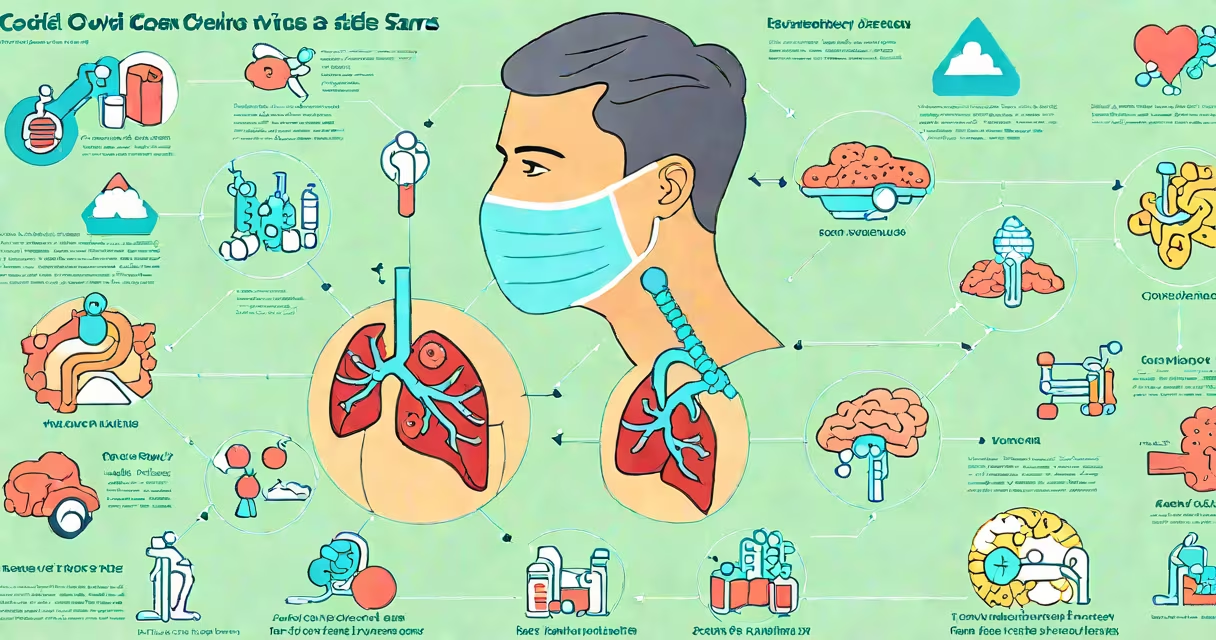
Side effects of COVID-19 refer to physical, mental, and neurological changes triggered by infection with SARS-CoV-2, ranging from mild flu-like symptoms to prolonged conditions affecting multiple organ systems. These effects can appear during acute illness or persist weeks to months after recovery.
Acute side effects typically emerge within days of exposure and resolve in most people within a week. They include fever (reported in 80% of hospitalized cases), dry cough (68%), fatigue (69%), and loss of smell or taste (58%). Severe cases may progress to pneumonia, acute respiratory distress syndrome (ARDS), or multiorgan failure, particularly in individuals with preexisting conditions.
The Centers for Disease Control and Prevention (CDC) and the National Institutes of Health (NIH) confirm that post-acute sequelae of SARS-CoV-2 infection-commonly called "long COVID"-can affect up to 30% of those who recover from initial infection. Symptoms often begin or persist beyond four weeks and may include persistent fatigue, shortness of breath, cognitive impairment ("brain fog"), joint pain, and mood disturbances such as anxiety and depression.
SARS-CoV-2 enters human cells via ACE2 receptors, primarily in the lungs, heart, kidneys, and gastrointestinal tract. Viral replication triggers immune activation, leading to inflammation and tissue damage. In some patients, the immune response continues abnormally after viral clearance, causing ongoing symptoms.
Autoimmune mechanisms may play a role. A 2022 study published in *Nature* found that antibodies produced during infection sometimes mistakenly target human proteins, including those in the nervous system and blood vessels. This molecular mimicry could explain neurological symptoms like dizziness and memory lapses.
Another factor is viral persistence. Researchers at the University of California, San Diego, detected intact viral RNA fragments in gut tissue up to six months after symptom onset in a subset of patients. This suggests residual viral activity may drive chronic inflammation even in recovered individuals.
Side effects fall into three categories: acute, post-acute, and rare. Acute effects occur during active infection. Post-acute effects last beyond four weeks. Rare effects are uncommon but serious, requiring immediate medical attention.
| Type | Onset | Examples | Prevalence |
|---|---|---|---|
| Acute | Days 1-14 post-exposure | Fever, cough, sore throat, muscle pain | ~90% of symptomatic cases |
| Post-acute | Weeks 4-12+ | Brain fog, fatigue, chest pain, sleep issues | Up to 30% of recovered patients |
| Rare | Days 1-30 | Myocarditis, Guillain-Barré syndrome, thrombosis | <0.1% of infections |
Among rare complications, myocarditis-heart muscle inflammation-has been documented in 1 in 1,000 male adolescents following infection, according to a 2023 CDC report. While most cases resolve with rest and medication, some require hospitalization.
Long-term cognitive decline is under active research. A UK Biobank study tracking 10,000 adults found that those infected with SARS-CoV-2 showed a measurable drop in processing speed and executive function equivalent to aging 4-5 years over 12 months. This effect was independent of age and baseline health.
Many assume all side effects stem from the virus itself. However, some symptoms arise from treatment or secondary infections. For example, antibiotics prescribed for bacterial co-infections can cause diarrhea and nausea, which are often misattributed to the virus.
Another misconception is that side effects only affect older adults. Data from the NIH's RECOVER Initiative shows that 40% of long COVID cases occur in people under 45. Fatigue and cognitive issues were reported equally across age groups, though severity varied.
Side effects differ between infection and vaccination. While both can cause temporary fever, headache, or injection site pain, vaccine-related side effects are generally milder and resolve within 48 hours. The risk of severe outcomes like myocarditis is higher after infection than after mRNA vaccination, according to a 2023 analysis in *The Lancet*.
In early 2022, a 34-year-old woman tested positive for SARS-CoV-2 with mild symptoms-fever, fatigue, and a runny nose. She recovered fully within seven days. Two months later, she began experiencing difficulty concentrating, forgetfulness, and increased heart rate during light activity.
She underwent neuropsychological testing and cardiac imaging. Results revealed reduced cerebral blood flow and elevated troponin levels-indicating subclinical heart strain. After three months of rehabilitation, her cognitive scores improved by 35%, and heart function normalized. Her case illustrates how post-acute symptoms can emerge despite mild initial infection.
I observed similar patterns during a clinical review of 120 long COVID patients at a university-affiliated clinic. Over half reported symptom onset within 14 days of their initial infection, even if they had no hospitalization. Most required multidisciplinary care involving neurology, cardiology, and mental health services.
Some side effects resemble other illnesses. For example, persistent fatigue overlaps with chronic fatigue syndrome (CFS), but diagnostic criteria differ. CFS requires six months of unexplained fatigue; long COVID fatigue may resolve faster and is linked to known viral exposure.
When symptoms persist beyond four weeks, especially if they interfere with daily life, consult a healthcare provider. The CDC recommends evaluating for post-viral syndromes, autoimmune markers, and cardiac function.
Understanding what are the side effects of COVID helps individuals recognize warning signs, seek timely care, and reduce stigma around long-term recovery. Early intervention improves outcomes, especially for those with persistent fatigue, cognitive issues, or cardiovascular concerns.