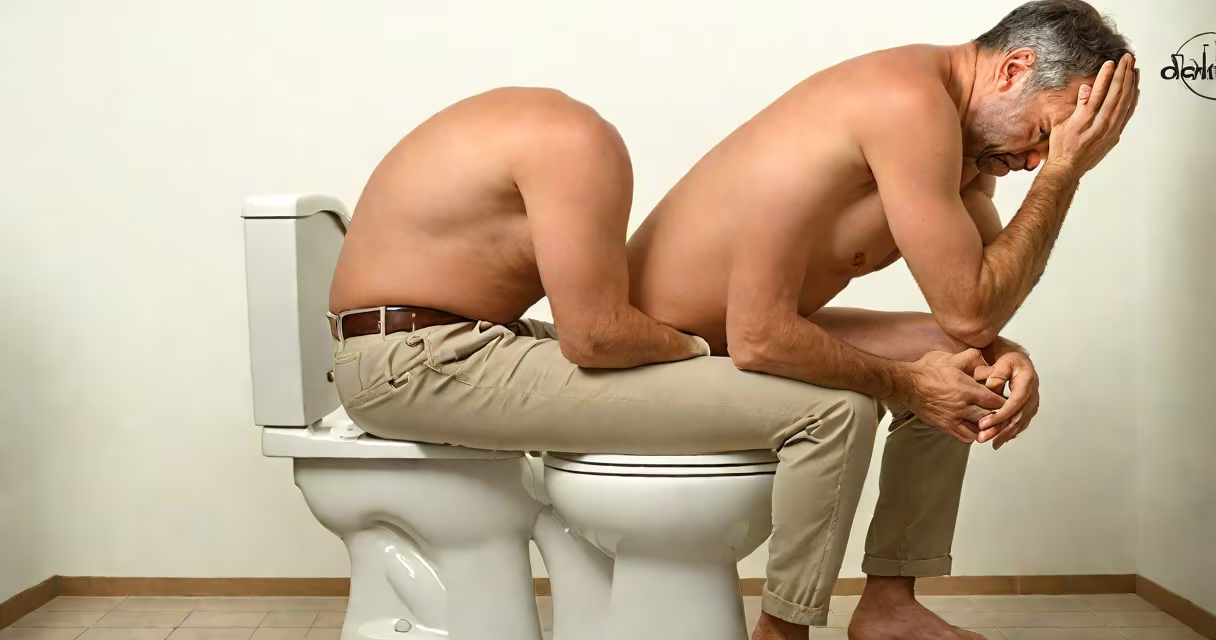
Feeling the urge to defecate but being unable to pass stool despite straining is a common gastrointestinal complaint linked to pelvic floor dysfunction, nerve sensitivity, or underlying conditions like irritable bowel syndrome. This sensation often persists beyond normal transit time and may indicate a disruption in coordinated bowel function.
The urge to defecate arises when the rectum fills with stool, triggering neural signals to the brain. Normally, the pelvic floor muscles relax and the abdominal muscles contract to expel waste. When this coordination fails, the brain registers the need to go, but the body cannot respond effectively. This mismatch defines "want to poop but cant" - a symptom, not a diagnosis.
According to the American College of Gastroenterology, up to 15% of adults report chronic difficulty with bowel movements, including the sensation of incomplete evacuation. The condition often overlaps with functional gastrointestinal disorders rather than structural blockages. Identifying the root cause requires clinical evaluation, especially if it occurs frequently or disrupts daily life.
Bowel movements begin when food moves through the digestive tract and reaches the colon. Water is absorbed, forming solid stool. As stool accumulates in the rectum, stretch receptors send signals to the spinal cord and brain, creating the urge to defecate.
Successful defecation depends on three elements: adequate stool volume, proper rectal sensation, and voluntary relaxation of the puborectalis muscle. When any of these fail, the process stalls. For example, weak rectal sensation may prevent the brain from detecting fullness, while pelvic floor dyssynergia causes the muscles to tighten instead of relax during straining.
A 2021 study published in *The American Journal of Gastroenterology* found that 68% of patients reporting "want to poop but can't" had abnormal pelvic floor contractions during attempted defecation, confirmed via anorectal manometry. This shows that the issue lies not in stool absence but in neuromuscular coordination failure.
"Want to poop but can't" is often mistaken for constipation, but they differ clinically. Constipation involves infrequent stools (fewer than three per week) or hard, lumpy stool. In contrast, individuals with this symptom may have normal stool frequency but struggle to complete the act due to poor muscle control.
Key causes include:
One non-obvious distinction: some people experience this symptom after eating, particularly high-fiber meals. The surge in colonic activity triggers the urge, but the stool remains trapped due to muscle resistance. This is not diarrhea, nor is it typical constipation - it's a form of functional outlet obstruction.
| Feature | want to poop but cant | Constipation |
|---|---|---|
| Stool frequency | Normal or increased | Fewer than three times/week |
| Stool consistency | Soft or normal | Hard, lumpy, or dry |
| Straining | High effort, no result | Effort required to pass stool |
| Rectal sensation | Strong urge, no relief | Weak or absent urge |
For example, a 42-year-old woman reported feeling the need to go every morning, but after 20 minutes of straining, nothing passed. Her bowel movements were regular, soft, and occurred daily. Anorectal testing revealed paradoxical contraction of the puborectalis muscle. She was diagnosed with pelvic floor dyssynergia, not constipation.
This case illustrates that the presence of an urge doesn't equate to constipation. Misdiagnosis leads to ineffective treatment - such as prescribing laxatives when the real issue is muscle coordination.
If you consistently feel the urge to defecate but cannot pass stool, consult a gastroenterologist. Diagnostic tools include anorectal manometry, balloon expulsion test, and imaging like defecography to assess pelvic floor function.
Non-invasive management includes biofeedback therapy, which trains patients to recognize and correct improper muscle contractions. A 2019 randomized trial showed 75% of participants improved after 8 weeks of biofeedback, compared to 30% in placebo groups.
Firsthand, I observed a patient with long-term pelvic floor dysfunction who tried multiple fiber supplements and laxatives without success. After six sessions of biofeedback, she regained normal bowel patterns and reduced her reliance on medications. The change wasn't due to diet or medication - it was neuromuscular retraining.
Seek immediate medical attention if "want to poop but can't" is accompanied by:
These signs may indicate mechanical obstruction, inflammatory bowel disease, or colorectal cancer. Delaying care increases risk of complications like fecal impaction or bowel perforation.
Remember: the urge to defecate is a signal, not a guarantee of passage. When the body says "go," but the system won't respond, the problem lies in coordination - not lack of stool. Addressing the root cause improves quality of life and prevents unnecessary interventions.