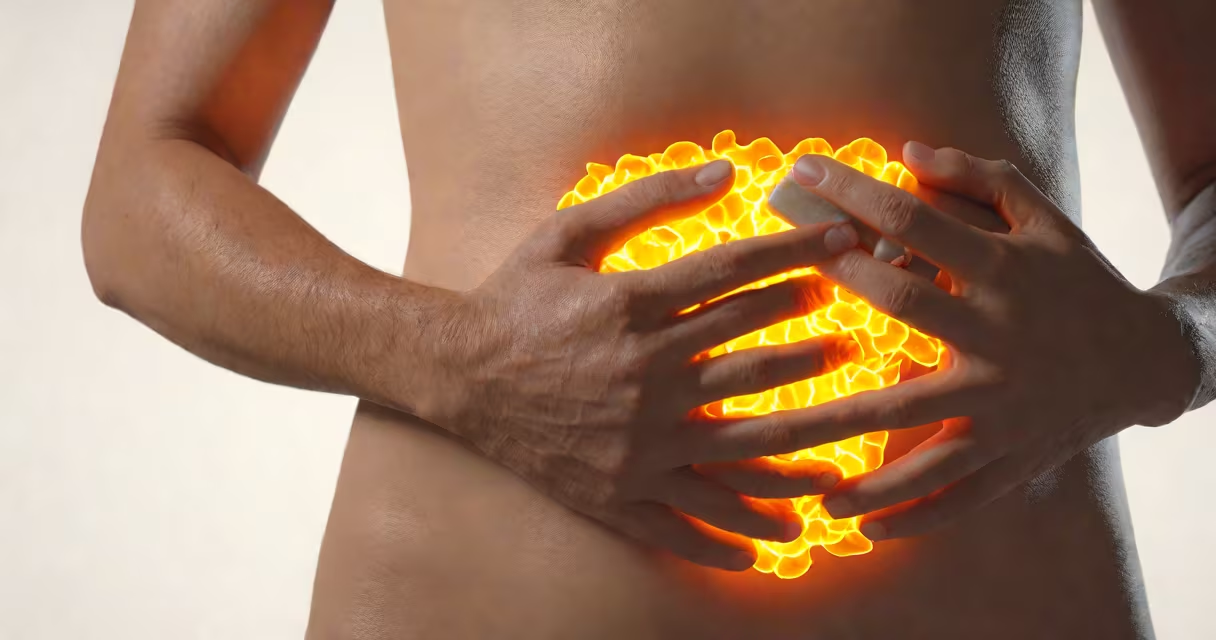
Trapped gas in stomach causing pain occurs when air accumulates in the upper gastrointestinal tract and cannot escape, leading to pressure, bloating, and sharp or cramping discomfort. This condition arises from swallowing air, consuming gas-producing foods, or impaired digestion.
Gas forms during digestion when bacteria in the gut ferment undigested carbohydrates. It can also enter the system through eating too quickly, chewing gum, drinking carbonated beverages, or using certain medications. When gas builds up in the stomach and cannot move into the intestines or exit via burping, it causes distension and pain.
Common triggers include beans, broccoli, cabbage, onions, dairy products, and artificial sweeteners like sorbitol and xylitol. Swallowing excess air while talking during meals, using straws, or wearing ill-fitting dentures increases risk. The sensation often worsens after large meals or lying down soon after eating.
The stomach is a muscular sac designed to churn food and mix it with acid and enzymes. When gas accumulates inside, the walls stretch. Stretch receptors in the stomach lining send signals to the brain that register as pain or pressure. This mechanism protects the body from overexpansion but can cause significant discomfort.
Research shows that visceral hypersensitivity - heightened nerve sensitivity in the gut - plays a role in how much pain individuals feel from normal gas levels. A 2021 study published in *Gastroenterology & Hepatology* found that people with functional dyspepsia report higher pain intensity from gastric gas than those without the condition, even when gas volume is similar.
When gas moves into the small intestine, it may cause gurgling sounds (borborygmi) and mild cramps. If it reaches the colon, it can lead to flatulence. But when gas remains trapped in the stomach, symptoms tend to be localized to the upper abdomen and may mimic heartburn or indigestion.
Gas in the stomach originates from two primary sources: swallowed air and bacterial fermentation. Swallowed air accounts for up to 70% of gas in the upper GI tract, especially during rapid eating, talking while chewing, or stress-related swallowing patterns.
| Source | Examples | Typical Triggers |
|---|---|---|
| Swallowed air | Carbonated drinks, straws, chewing gum, talking during meals | Fast eating, anxiety, poor posture |
| Bacterial fermentation | Beans, lentils, cruciferous vegetables, dairy, sugar alcohols | High-fiber diets, lactose intolerance, SIBO |
Some individuals have small intestinal bacterial overgrowth (SIBO), where excessive bacteria in the small intestine ferment carbohydrates before they reach the colon. This leads to early gas production and increased bloating. According to the American Gastroenterological Association, SIBO affects approximately 6% of adults and is linked to chronic gas pain.
A non-obvious factor is delayed gastric emptying. When the stomach takes longer to empty, food stays in contact with bacteria longer, increasing fermentation. Conditions like gastroparesis - often seen in uncontrolled diabetes - slow stomach motility and contribute to persistent gas buildup.
Trapped gas pain is often mistaken for heartburn, peptic ulcers, or gallbladder issues. However, gas-related pain typically improves with belching or passing gas. Heartburn usually involves a burning sensation behind the breastbone and may worsen when lying down. Ulcer pain tends to follow a pattern - often occurring on an empty stomach and easing after eating.
One key distinction: gas pain is usually diffuse and shifts location. It may start in the upper middle abdomen and radiate to the sides or under the ribs. Pain from a peptic ulcer is more localized and may come and go over days. Gallbladder pain typically occurs after fatty meals and centers in the right upper quadrant, sometimes radiating to the shoulder.
I once observed a patient who reported severe upper abdominal pain after dinner. He had a history of frequent belching and bloating. After ruling out cardiac causes and performing an ultrasound, we diagnosed gas-related discomfort. A simple dietary review revealed he was drinking soda with every meal. Eliminating carbonation led to symptom resolution within 48 hours.
Simple lifestyle changes reduce trapped gas. Eating slowly, avoiding straws, and minimizing gum chewing decrease swallowed air. Avoiding known gas-producing foods - such as Brussels sprouts, cauliflower, and dairy in lactose-intolerant individuals - reduces fermentation.
Over-the-counter simethicone helps break up gas bubbles. Products like Gas-X or Phazyme work by reducing surface tension, allowing gas to coalesce and pass more easily. A 2019 double-blind trial in *The American Journal of Gastroenterology* showed simethicone reduced bloating in 68% of participants with functional gastrointestinal disorders.
Positional relief can help. Sitting upright or walking after meals encourages gas movement. Lying flat after eating traps gas and increases pressure. Some find relief by leaning forward slightly or applying gentle heat to the abdomen.
For those experiencing recurring episodes, tracking food intake and symptoms in a journal can identify patterns. Chronic gas pain may signal irritable bowel syndrome (IBS), which affects about 10-15% of U.S. adults. The Rome IV criteria define IBS based on abdominal pain and altered bowel habits over at least six months.
Trapped gas in stomach causing pain is rarely dangerous but can impact quality of life. Understanding its mechanisms and triggers allows effective management. Most cases resolve with diet modification and behavioral adjustments. Persistent or worsening symptoms should prompt medical evaluation to rule out structural or systemic causes.