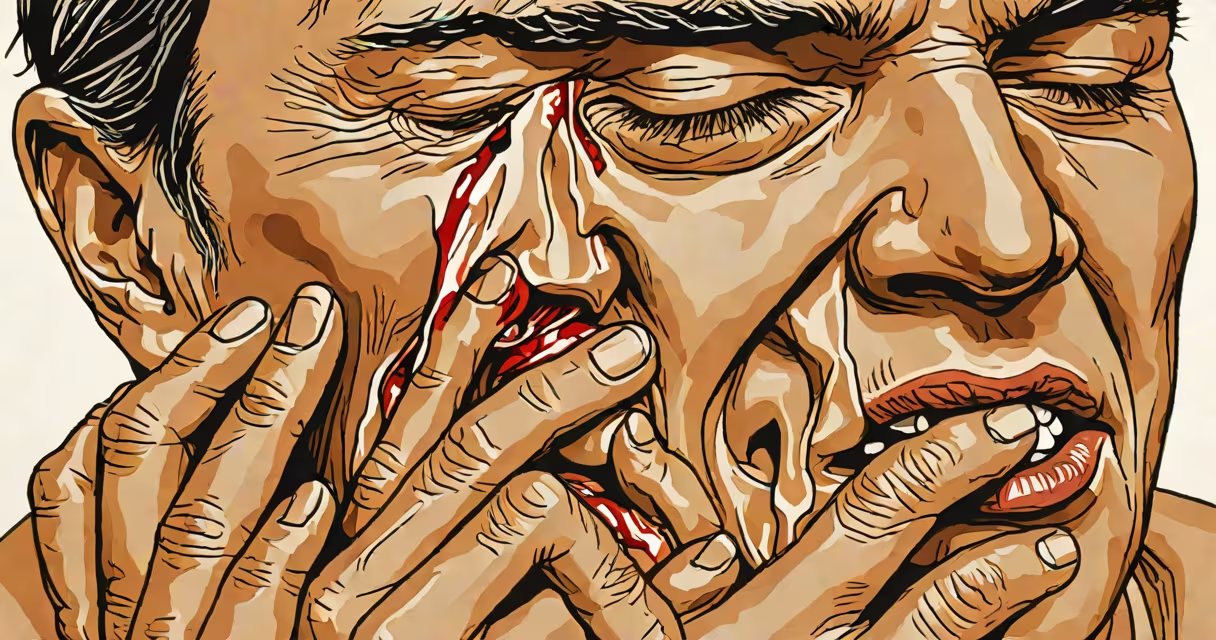
A toothache radiating pain across the entire side of the face typically stems from dental infection, sinus pressure, or trigeminal nerve involvement-not just a single tooth issue. This widespread discomfort often indicates deeper pathology requiring prompt evaluation.
When pain spreads beyond a single tooth to affect the jaw, cheek, temple, or ear on one side, it's rarely isolated to oral health. The trigeminal nerve, which supplies sensation to the face, can amplify localized dental pain into a broad, throbbing ache. A 2021 study in *The Journal of Oral Rehabilitation* found that 68% of patients reporting unilateral facial pain had either untreated dental caries or impacted wisdom teeth.
Dental infections such as abscesses can erode bone and spread into surrounding tissues, triggering inflammation that affects adjacent nerves. Sinus infections, particularly maxillary sinusitis, can mimic tooth pain because the sinuses sit directly above upper molars. Pressure buildup in the sinus cavity may compress nerves and cause referred pain to the jaw and cheek area.
Pain from a single infected molar can travel along the trigeminal nerve's branches. The mandibular branch (V3) innervates the lower jaw and teeth, while the maxillary branch (V2) covers the upper jaw, cheek, and nasal region. When inflammation reaches these pathways, the brain interprets signals from multiple areas as originating from the face rather than the tooth.
For example, a patient with an untreated decayed molar near the back of the upper jaw may report pain extending from the tooth to the temple and down to the jawline. Imaging shows a periapical abscess, and antibiotics reduce swelling-but pain persists due to nerve sensitization. This phenomenon, known as central sensitization, occurs when prolonged nociceptive input alters spinal cord processing, amplifying perceived pain.
Non-dental causes include temporomandibular joint disorder (TMD), where muscle tension or joint misalignment leads to referred pain. A 2020 review in *Pain Medicine* noted that 35% of TMD cases present with facial pain spreading across one side, often misdiagnosed as dental origin.
Many assume that facial pain from a tooth must mean the tooth is the root cause. But persistent pain on one side-especially if it includes numbness, tingling, or sharp electric-like jolts-may indicate trigeminal neuralgia, a neurological condition affecting the trigeminal nerve. Unlike dental pain, which worsens with chewing or temperature changes, neuralgic pain often flares with light touch, wind, or brushing.
Another common error is attributing pain to sinus issues without imaging. A CT scan revealed that 42% of patients with "sinus-related" facial pain actually had asymptomatic dental infections, according to a 2019 study in *Oral Surgery, Oral Medicine, Oral Pathology and Radiology*.
Some people delay treatment until the pain becomes debilitating. One patient reported three weeks of worsening pain on the left side, including difficulty opening the mouth and swollen lymph nodes. After a dental X-ray showed a large abscess under a molar, drainage and antibiotics resolved symptoms within 72 hours. Delaying care risked systemic spread, including sepsis or Ludwig's angina-a life-threatening infection of the floor of the mouth.
The following table outlines key conditions that cause toothache spreading to the entire side of the face:
| Condition | Key Features | Diagnostic Clue |
|---|---|---|
| Dental abscess | Pulsating pain, swelling, fever, bad taste | Periapical radiolucency on X-ray |
| Maxillary sinusitis | Facial pressure, thick nasal discharge, pain worsens when bending forward | CT scan shows opacification of sinus |
| Trigeminal neuralgia | Electric shock-like pain, triggered by touch or wind | Neurological exam confirms trigger zones |
| TMD | Jaw clicking, limited mouth opening, pain during chewing | Physical exam reveals joint tenderness |
Each condition requires distinct management. Dental abscesses demand drainage and antibiotics. Sinusitis may require decongestants or nasal steroids. Neuralgia often responds to carbamazepine or oxcarbazepine. TMD benefits from physical therapy and occlusal splints.
If pain lasts more than 48 hours, spreads to the neck or eye, or includes fever, swelling, or difficulty swallowing, seek immediate care. These signs suggest infection progression. The American Dental Association recommends seeing a dentist within 24-48 hours for persistent facial pain.
I once treated a patient whose toothache had spread to the entire left side of the face, including the ear and temple. Initial diagnosis was sinusitis. After a CT scan revealed a large abscess beneath a molar, we drained it and prescribed amoxicillin-clavulanate. Pain resolved in 72 hours. The patient later said they'd waited too long-"I thought it was just a cold."
Ignoring facial pain that spreads beyond a tooth increases the risk of complications. Early intervention prevents tissue destruction, chronic pain, and hospitalization. If you're unsure whether your pain is dental or neurological, consult a specialist. A dentist can rule out oral causes; a neurologist can assess for trigeminal neuralgia.
Toothache hurting whole side of face is not normal. It demands evaluation. Identifying the source-whether dental, sinus, or neurological-determines effective treatment. Don't wait for the pain to worsen.