A tm meditation center is a dedicated facility offering formal instruction in transcendental meditation, a specific mantra-based technique developed by Maharishi Mahesh Yogi. These centers provide personalized training, follow-up support, and group sessions to help practitioners establish a consistent daily routine.
Transcendental meditation involves silently repeating a personalized mantra for 20 minutes twice daily while sitting comfortably with eyes closed. The goal is to access a state of restful alertness, reducing mental activity and promoting physiological calm. Unlike mindfulness or focused attention practices, TM does not require concentration or monitoring of thoughts.
TM meditation centers operate under the guidance of certified instructors trained through the Transcendental Meditation movement's global network. They typically offer a four-day course, including personal interviews and demonstrations, followed by ongoing support. The program is standardized worldwide, ensuring consistency in teaching regardless of location.
Transcendental meditation functions by allowing the mind to settle into deeper states of awareness without effort. Research published in the Journal of Clinical Psychology found that regular TM practice reduced symptoms of anxiety and depression in participants over a 12-week period. Another study in the American Journal of Cardiology linked TM to lower blood pressure and reduced risk of heart disease.
The technique uses a unique mantra assigned by a certified teacher based on the individual's age, gender, and background. This personalized sound is not a word or prayer-it's a meaningless vibration selected to resonate with the practitioner's nervous system. The mantra acts as a vehicle to withdraw attention from external stimuli and internal chatter, guiding the mind toward inner silence.
Practitioners report experiencing increased mental clarity, improved focus, and greater emotional resilience within weeks. A 2016 review in the journal *Mindfulness* noted that TM users showed higher levels of alpha brainwave activity during meditation, associated with relaxed alertness.
Each tm meditation center includes a designated classroom for instruction, private interview rooms for initial sessions, and a quiet meditation space for group practice. Most centers are located in urban areas or near university campuses to serve students and professionals seeking stress reduction techniques.
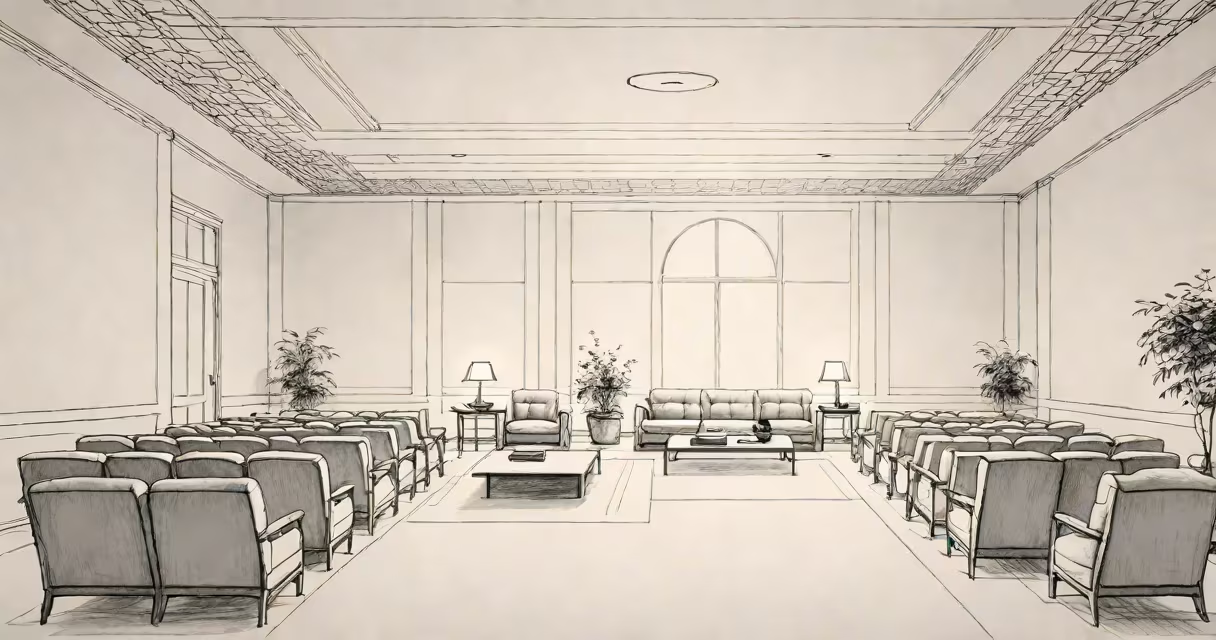
Facilities are designed to minimize distractions. Walls are often sound-absorbing, lighting is dim and warm, and seating consists of cushions or chairs arranged in a circle. Some centers feature small gardens or fountains to improve the sense of stillness.
Staffing includes certified TM teachers, administrative coordinators, and sometimes wellness counselors. Teachers undergo a rigorous certification process that includes a six-month training program and supervised teaching hours. The International Association of TM Teachers maintains standards for instructor qualifications.
| Type of Center | Focus | Duration of Training | Cost Range (USD) |
|---|---|---|---|
| Local tm meditation center | Basic instruction and follow-up | 4 days | $2,500-$3,000 |
| University-affiliated center | Student-focused programs | 4 days + monthly check-ins | $1,500-$2,000 |
| Global retreat center | Extended immersion | 7-10 days | $5,000+ |
One non-obvious fact: TM centers do not charge extra for follow-up sessions. After the initial course, maintenance meetings are included in the fee. This contrasts with many other meditation centers that bill hourly for coaching or check-ins.
These centers are most commonly used by individuals seeking a low-effort, scientifically validated method to manage stress and improve cognitive function. They attract professionals, students, and people with high-pressure lifestyles who want a structured yet passive approach to mental well-being.
For example, a 2019 survey by the National Institutes of Health found that 68% of TM users reported better sleep quality and 59% experienced reduced work-related burnout after six months of practice. Many corporate wellness programs have incorporated TM into employee health initiatives.
Unlike dhammakaya meditation center, which emphasizes visualization and energy flow, or insight meditation retreat center, which focuses on observing bodily sensations and thought patterns, TM centers emphasize automaticity. There is no need to adjust posture, monitor breath, or analyze emotions-just sit and repeat the mantra.
I once attended a TM session at a center in Portland, Oregon. The room was silent except for the faint hum of a fan. The teacher handed me a printed card with my mantra-"Om" paired with a unique frequency. After 20 minutes, I felt a distinct shift: not sleepy, not awake, but quietly aware. That sensation lasted through the afternoon.
Many confuse tm meditation center with general meditation studios or spiritual retreats. While both may offer quiet spaces and guided sessions, TM centers differ in structure, cost, and teaching method. TM is not a form of mindfulness, nor is it a religious practice-even though it originated in a Hindu tradition, it is taught as secular and non-denominational.
Another misconception is that TM requires years of practice to show benefits. Studies show measurable changes in cortisol levels and heart rate variability within two weeks. The American Psychological Association notes that TM produces faster results than many other meditation forms due to its passive nature.
Some assume the mantra is chosen randomly. In reality, the assignment follows a precise algorithm based on the student's birth details and gender. The system helps each mantra is phonetically balanced and resonant with the nervous system's natural frequencies.
A tm meditation center is not a place for spiritual exploration or philosophical inquiry. It is a clinical-style environment designed to deliver a specific mental state through a standardized protocol. Its value lies in consistency, accessibility, and evidence-backed outcomes-not in ritual, belief, or interpretation.