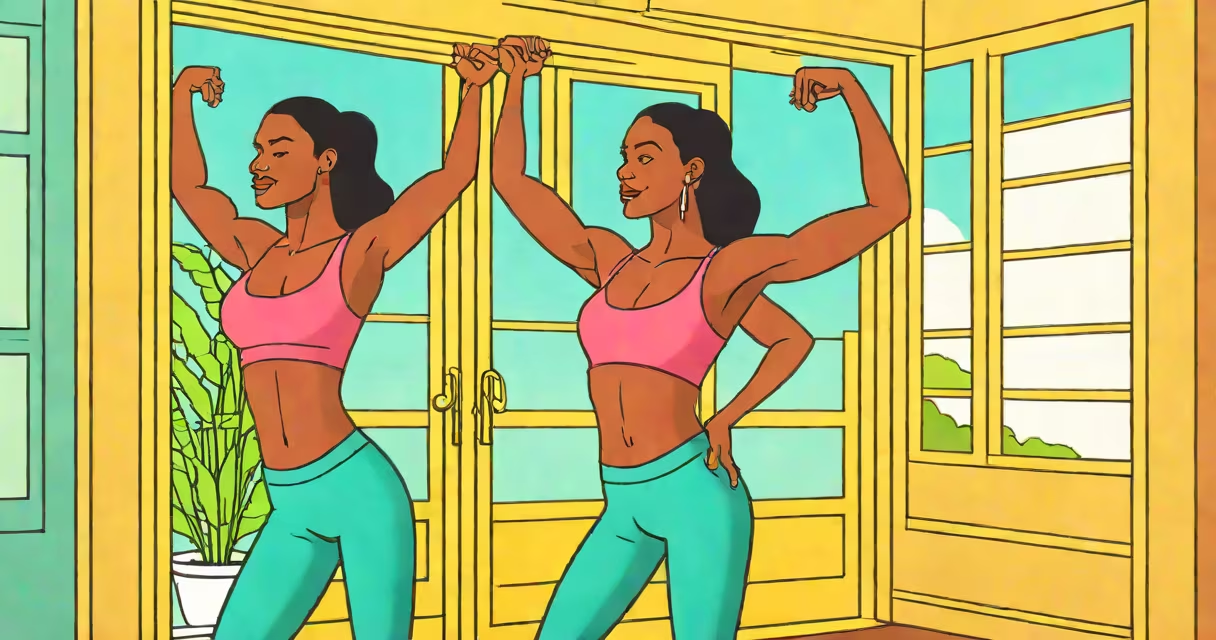
The tight pectoral muscles stretch is a targeted mobility exercise that lengthens the pectoralis major muscle group, improving shoulder alignment and reducing strain on the neck and upper back. It's performed by positioning the arms at a 90-degree angle against a stable surface like a doorframe or wall.
This stretch addresses muscle imbalances caused by prolonged sitting, screen use, or repetitive overhead motions. The pectoralis major, a large chest muscle originating from the sternum and clavicle, shortens when the shoulders are rounded forward. Over time, this leads to restricted shoulder movement and increased risk of joint discomfort.
According to the American Council on Exercise (ACE), consistent stretching of the pectoral muscles improves scapular stability and reduces the likelihood of shoulder impingement. A 2020 study published in the Journal of Physical Therapy Science confirmed that participants who performed daily pectoral stretches for four weeks showed a 22% increase in shoulder abduction range of motion.
The tight pectoral muscles stretch uses gravity and passive tension to elongate the muscle fibers. When the arm is raised to a 90-degree angle and the forearm rests against a vertical surface, the shoulder is externally rotated and abducted. This position opens the chest and places the pectoralis major under controlled lengthening.
As the torso moves forward through the doorway or toward the wall, the muscle is stretched along its functional line of pull. The stretch targets both the sternal and clavicular heads of the pectoralis major, though the sternal portion receives greater emphasis due to the angle of arm elevation.
Hold the position for 20 to 30 seconds per side. Repeat two to three times daily. Consistent practice increases tissue extensibility and supports better posture during desk work or athletic activity.
The stretch requires no equipment. A standard interior doorway with a flat frame is sufficient. The surface must be firm and stable-avoid using flimsy or flexible frames that collapse under weight.
To perform it:
Common errors include leaning too far forward, which shifts load to the lower back, or letting the shoulders rise toward the ears. These reduce effectiveness and may cause neck strain. Maintain relaxed shoulders and focus on opening the chest, not pushing the torso forward aggressively.
While the doorway version is most accessible, alternative forms exist for different settings or mobility levels.
| Form | Best For | Key Difference |
|---|---|---|
| Doorway stretch | Home or office use | Uses existing structure; minimal setup |
| Wall-supported | Individuals with limited shoulder mobility | Less depth; easier to control intensity |
| Standing with resistance band | Adding strength component | Combines stretch with eccentric loading |
A less common variation involves lying on a foam roller placed horizontally across the upper back. Arms are extended overhead and held in place with light resistance. This version is used in physical therapy for individuals recovering from shoulder injuries.
The tight pectoral muscles stretch is widely recommended by physical therapists for people with rounded shoulders, computer-related neck pain, or poor posture. It's especially effective for office workers, gamers, and athletes who perform repetitive overhead movements.
One study from the University of Pittsburgh found that office workers who performed this stretch twice daily for six weeks reported a 38% reduction in upper back stiffness and a 26% improvement in perceived posture confidence.
It's often paired with exercises that strengthen the rhomboids and lower trapezius-muscles that retract the scapula and counteract forward shoulder posture. Without balancing strength training, stretching alone may not correct long-term postural patterns.
Many mistake the tight pectoral muscles stretch for a general chest workout or a changing warm-up. It is neither. This is a static, passive stretch focused on lengthening muscle tissue, not building strength or increasing heart rate.
Another frequent error is confusing it with the sleeper stretch, which targets the posterior capsule of the shoulder. While both improve shoulder mobility, they address different tissues and require different positions. The sleeper stretch is performed lying on your side with the arm bent at 90 degrees and the elbow above the shoulder.
Some assume that holding the stretch longer than 30 seconds increases benefits. Research from the National Academy of Sports Medicine shows that beyond 30 seconds, gains plateau. Holding for 60 seconds offers no additional improvement in muscle length and may lead to joint stress.
Most people don't realize that the stretch is most effective when performed with the palms facing upward. This position maintains external rotation of the humerus, which maximizes tension on the pectoralis major. Palms facing down shifts the load to the anterior deltoid and reduces stretch specificity.
Another overlooked point: the stretch should not be done immediately after a workout. Muscles are already fatigued and more prone to microtears when stretched while warm. The optimal time is after a cooldown or during rest periods between sets.
Finally, many believe that soreness after the stretch indicates effectiveness. That's false. Soreness suggests tissue damage or inflammation. A proper stretch should feel mild tension, not pain. If you feel sharp or burning sensations, stop and reassess form.
Consider a 32-year-old graphic designer who sits 8 hours a day with shoulders rounded forward. After three weeks of doing the tight pectoral muscles stretch twice daily-once in the morning and once before bed-she noticed reduced shoulder stiffness and improved reach during typing. Her posture improved enough that her employer offered a standing desk upgrade.
She performed the stretch correctly: feet 12 inches from the doorframe, elbows at 90 degrees, palms up, spine neutral. She held each repetition for 25 seconds and completed three sets per side. No pain occurred, and she reported feeling "lighter" in the chest area.
If you have chronic shoulder pain, a history of rotator cuff injury, or limited range of motion despite consistent stretching, consult a licensed physical therapist. Some cases require manual mobilization or targeted strengthening before stretching is safe.
Consistent performance of the tight pectoral muscles stretch improves posture, enhances shoulder function, and reduces the risk of overuse injuries. It's a low-risk, high-reward movement when done with attention to form and timing.