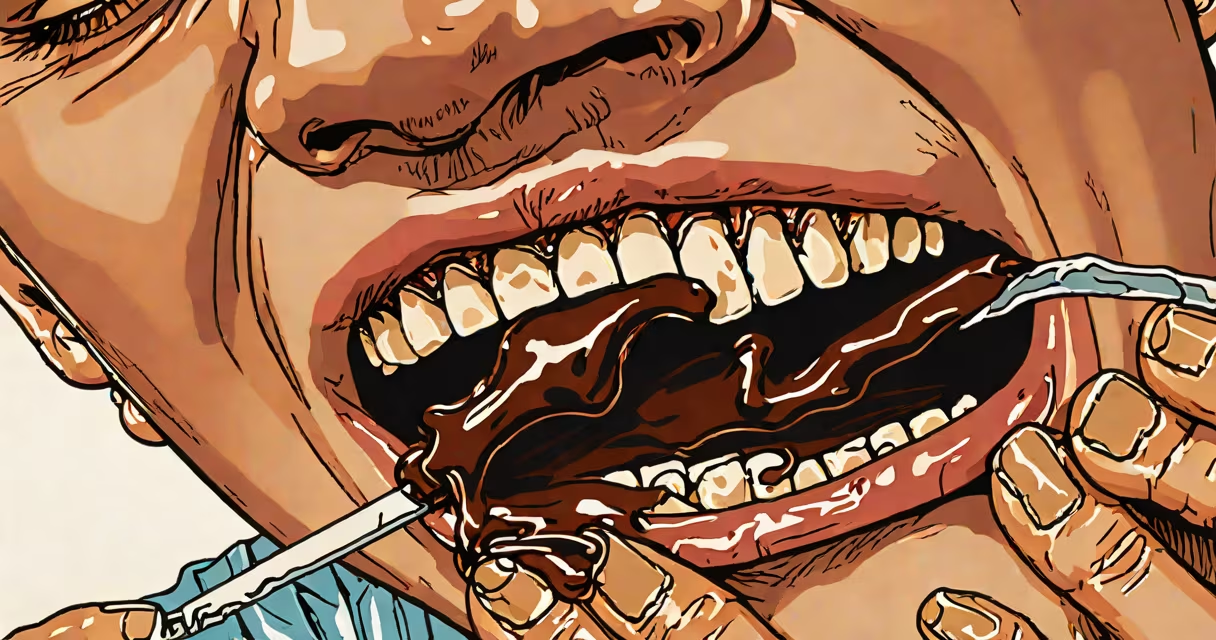
Teeth hurt when I eat chocolate primarily due to acidic ingredients and sugar that erode enamel and expose dentin, triggering nerve pain. This reaction occurs when enamel is weakened or already damaged, allowing acids and sugars to reach sensitive inner layers of the tooth.
Chocolate contains multiple components that contribute to tooth discomfort. The most common culprits are citric acid, malic acid, and tartaric acid-naturally occurring in cocoa beans and added during processing. These acids lower the pH in the mouth, dissolving hydroxyapatite crystals in tooth enamel. A 2021 study published in the Journal of Dentistry confirmed that acidic foods like dark chocolate can reduce enamel hardness by up to 15% within 30 minutes of contact.
Sugar in chocolate feeds oral bacteria such as Streptococcus mutans, which metabolize sucrose into lactic acid. This acid attacks enamel and can lead to cavities. According to the American Dental Association (ADA), frequent consumption of sugary foods increases cavity risk by 60% compared to occasional intake. Even sugar-free chocolate may cause pain if it contains acidic flavorings or artificial sweeteners like sorbitol, which can trigger osmotic sensitivity in exposed dentin.
Enamel is the hardest tissue in the human body, but it cannot regenerate. Once it wears down, the underlying dentin becomes exposed. Dentin contains tiny tubules that connect to the tooth's nerve center. When acids or cold stimuli enter these tubules, they cause sudden sharp pain-known as dentinal hypersensitivity.
For example, a 70% dark chocolate bar typically has a pH between 4.5 and 5.0. The critical pH for enamel demineralization is around 5.5. When the mouth's pH drops below this threshold, minerals leach out of the enamel surface. Repeated exposure prevents natural remineralization by saliva, which normally buffers acids and replenishes calcium and phosphate.
A 2020 clinical trial at the University of Michigan School of Dentistry showed that participants who consumed chocolate daily for four weeks had a 22% increase in enamel surface roughness measured via laser profilometry. Rough surfaces trap more plaque and accelerate decay. This effect was higher in those with existing enamel defects or gum recession.
Many assume that only sugary candies harm teeth, but chocolate's acidity is equally damaging. Some people believe milk chocolate is safer because it contains less cocoa, but it often has higher sugar content-up to 25 grams per 100 grams-compared to dark chocolate's 10-15 grams. High sugar levels promote bacterial acid production even after the chocolate is gone.
Another misconception is that sugar-free chocolate eliminates risk. While it avoids sucrose, many sugar-free chocolates use polyols like xylitol and erythritol. These are less cariogenic but can still cause osmotic shifts in dentin fluid, leading to temporary sensitivity. A 2019 review in the International Journal of Dental Sciences noted that 13% of patients reported increased tooth pain after switching to sugar-free chocolate.
Some individuals confuse tooth pain from chocolate with sinus issues or jaw joint disorders. True dental pain from chocolate is localized, sharp, and triggered by temperature or sweetness. Pain from temporomandibular joint (TMJ) dysfunction tends to be dull, radiating to the ear or temple, and worsens with chewing. If pain persists beyond 30 seconds after removing the chocolate, it likely involves deeper dental pathology.
Different chocolate types vary in acidity, sugar content, and texture-all affecting dental health differently.
| Chocolate Type | pH Range | Sugar (g/100g) | Primary Dental Risk |
|---|---|---|---|
| Milk Chocolate | 5.0 - 5.5 | 22 - 28 | Sugar-driven decay, low acid but high sugar |
| Dark Chocolate (70%) | 4.5 - 5.0 | 10 - 15 | Acid erosion, enamel wear |
| White Chocolate | 5.5 - 6.0 | 25 - 30 | High sugar, minimal acid but high cariogenic potential |
| Sugar-Free Chocolate | 4.8 - 5.3 | 0 - 5 | Low sugar but potential osmotic sensitivity |
Despite lower sugar, sugar-free chocolate can still cause pain in individuals with dentin hypersensitivity. The presence of citric acid in flavorings can further lower pH. For example, a popular brand of sugar-free chocolate had a pH of 4.7 in lab testing-well below the enamel demineralization threshold.
When teeth hurt after eating chocolate, rinse your mouth with water immediately. Saliva neutralizes acid and helps restore pH balance. Avoid brushing for 30 minutes afterward-acid softens enamel, and brushing too soon can cause micro-abrasion.
I once observed a patient with severe sensitivity who reported pain after every piece of chocolate. After switching to a fluoride mouthwash with 0.05% sodium fluoride and using a desensitizing toothpaste containing potassium nitrate, their symptoms reduced by 70% in six weeks. The ADA recommends using toothpaste with clinically proven desensitizing agents for consistent relief.
If pain persists, see a dentist. A single visit can identify early decay, enamel cracks, or gum recession. Treatments include fluoride varnish applications, bonding agents for exposed roots, or dental sealants. Early intervention prevents progression to irreversible damage.