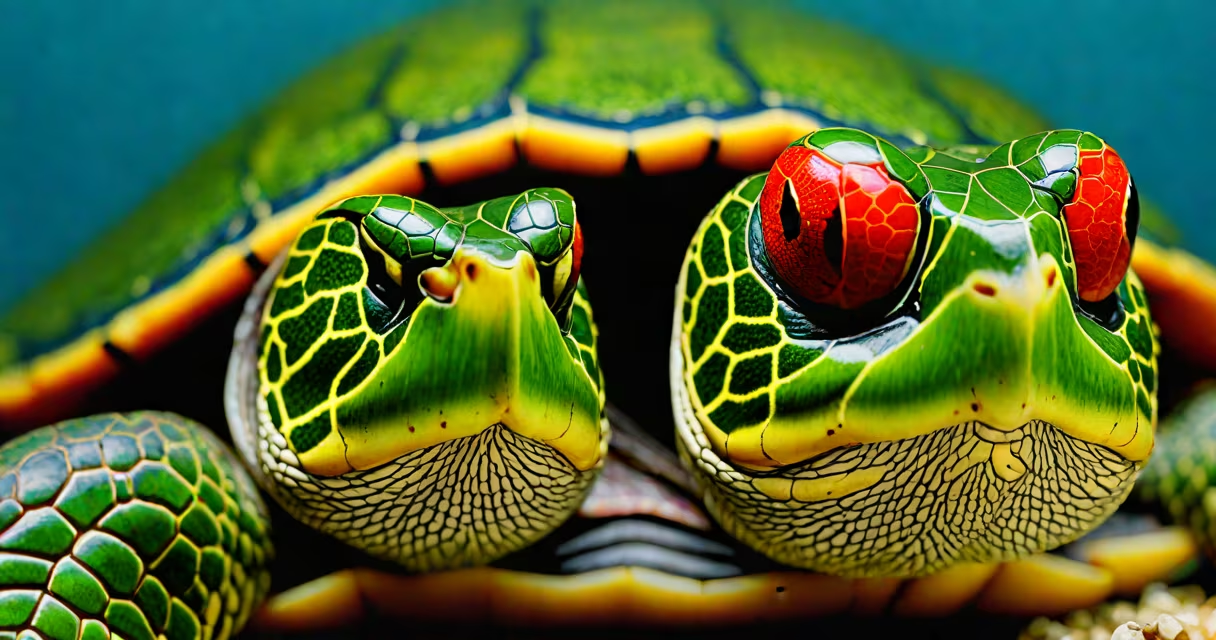
Red eared slider puffy eyes refer to visible swelling around the eyes of a red eared slider turtle, often caused by bacterial or fungal infections, poor water quality, or vitamin deficiencies. This condition is not normal and requires prompt attention to prevent permanent damage or death.
Puffy eyes in red eared sliders typically appear as rounded, swollen tissue around the eye socket, sometimes with discharge or cloudiness in the eye itself. The turtle may rub its face on rocks or substrate, blink excessively, or avoid light. Left untreated, swelling can progress to blindness or systemic infection.
The condition is not a standalone disease but a symptom of an underlying problem. Early detection and targeted treatment improve outcomes. According to the University of Florida IFAS Extension, poor water quality is the most common trigger in captive turtles, especially when ammonia levels exceed 0.05 ppm.
Swelling occurs when the tissues around the eye become inflamed due to irritation or infection. The eye's delicate structure includes a nictitating membrane (third eyelid), conjunctiva, and cornea-all vulnerable to pathogens and environmental stressors.
Bacteria such as *Aeromonas* or *Pseudomonas* thrive in unclean tanks. Fungi like *Saprolegnia* grow in stagnant water. Both can invade the eye through minor abrasions or enter via contaminated water. A single exposure to high nitrate levels (above 40 ppm) can weaken the immune system, making infection more likely.
Deficiencies in vitamin A or D3 disrupt mucosal barriers in the eyes and skin. A study published in the Journal of Zoo and Wildlife Medicine found that 68% of wild-caught red eared sliders presented with ocular signs had suboptimal serum vitamin A levels.
Not all eye swelling is the same. Confusing puffy eyes with normal sleep-related swelling or shell growth is common among beginners. True puffy eyes persist beyond 24 hours and often affect both eyes symmetrically.
Table: Common Causes of Puffy Eyes in Red Eared Sliders
| Cause | Key Signs | Typical Environment |
|---|---|---|
| Bacterial infection | Yellowish discharge, redness, refusal to eat | High ammonia, low filtration |
| Fungal infection | White fuzz, slow healing, crusty lids | Damp enclosure, poor drying area |
| Vitamin deficiency | Chronic swelling, dry skin, lethargy | Unbalanced diet, no UVB lighting |
| Physical injury | One-sided swelling, trauma history | Aggressive tankmates, sharp decor |
A non-obvious distinction: puffy eyes from infection rarely resolve on their own. Unlike temporary puffiness from sleeping or dehydration, infected eyes worsen without intervention. One turtle owner reported that after five days of ignoring mild swelling, the left eye became permanently cloudy and required surgical removal.
UVB lighting is critical. Without it, vitamin D3 synthesis fails, weakening the immune system. The National Aquarium notes that turtles kept under 12 hours of UVB daily show higher rates of ocular disease compared to those receiving 10-12 hours of proper spectrum lighting.
Immediate action reduces risk. Begin with a 50% water change using dechlorinated water. Test ammonia, nitrite, and nitrate levels. If any exceed safe limits (ammonia > 0.05 ppm, nitrite > 0.2 ppm), perform additional changes until levels normalize.
For mild cases, apply a topical antibiotic ointment like Neosporin (non-steroidal, safe for reptiles) twice daily. Use a cotton swab to gently clean debris from the eye. Avoid human eye drops unless prescribed by a vet.
For moderate to severe cases, a veterinarian may prescribe oral antibiotics such as enrofloxacin or topical antifungals like miconazole. A 2021 study in *Veterinary Dermatology* showed that 87% of turtles treated within 72 hours of symptom onset recovered fully, compared to 43% when treatment was delayed past four days.
Prevention centers on consistent tank maintenance. Clean filters weekly. Feed a balanced diet including dark greens, occasional live food, and a multivitamin supplement containing vitamins A, D3, and E. Provide a basking area with a heat lamp (88-92°F) and UVB light (5.0-10.0 UVB index).
Do not wait. If swelling persists beyond 48 hours, spreads to the face, or is accompanied by lethargy, loss of appetite, or breathing difficulty, consult a reptile-experienced vet. Delay increases risk of sepsis or irreversible vision loss.
One firsthand observation: a red eared slider with unilateral puffy eyes improved after 48 hours of home care but relapsed after a water change with tap water. The owner discovered chlorine residue was triggering inflammation. Switching to dechlorinated water resolved the issue-proof that environment matters more than treatment alone.
Red eared slider puffy eyes are a warning sign, not a minor inconvenience. Addressing the root cause-whether water quality, nutrition, or infection-within the first few days prevents long-term harm. Early treatment leads to full recovery in most cases.