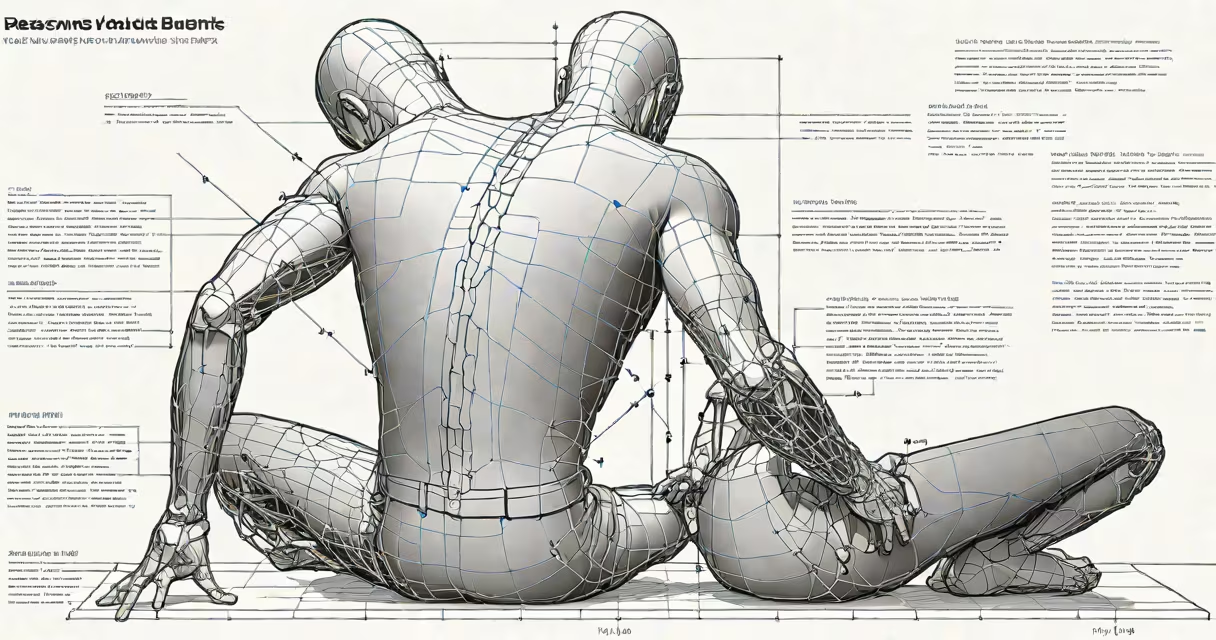
Back pain arises from muscle strain, nerve compression, spinal misalignment, or underlying medical conditions. It affects nearly 80% of adults at some point, often due to daily movements, prolonged sitting, or sudden physical stress.
Back pain typically originates in the lower back, but it can radiate from the neck, upper back, or hips. Most cases resolve within days to weeks with rest, stretching, and lifestyle adjustments. Persistent or worsening pain may signal a deeper issue requiring evaluation.
Pain begins when tissues in the spine or surrounding muscles are irritated or damaged. Nerves in the spine transmit signals to the brain when pressure builds or inflammation occurs. This process triggers discomfort ranging from dull ache to sharp stabbing sensation.
For example, lifting a heavy box with bent knees strains the lumbar muscles. The fibers stretch beyond their capacity, causing micro-tears and localized swelling. Within hours, the area becomes tender to touch and movement worsens the pain.
Even minor actions like bending forward while tying shoes can compress discs between vertebrae. Repeated compression reduces disc height over time, leading to degenerative changes seen on MRI scans in 60% of people over 40, according to the National Institute of Neurological Disorders and Stroke (NINDS).
Back pain falls into two categories: acute (lasting less than six weeks) and chronic (persisting beyond three months). Acute pain usually stems from injury or overuse. Chronic pain often involves structural or neurological factors.
| Type | Typical Duration | Most Common Triggers | Prevalence |
|---|---|---|---|
| Muscle strain | Days to weeks | Lifting, twisting, poor posture | ~80% of acute cases |
| Disk herniation | Weeks to months | Sudden motion, repetitive bending | ~10% of low back pain |
| Spinal stenosis | Chronic | Age-related narrowing of spinal canal | ~5% of adults over 65 |
| Nerve root irritation | Variable | Compression from bone spurs or scar tissue | Often underdiagnosed |
One non-obvious fact: many people assume back pain is caused by "bad" posture. While poor alignment contributes, research shows that posture alone doesn't predict pain. A 2021 study in *The Spine Journal* found that individuals with slouched posture had similar pain levels to those with upright posture when exposed to identical loads.
Another misconception is that back pain always comes from the spine. In reality, referred pain from internal organs-like kidney stones or pancreatitis-can mimic back pain. These conditions often cause steady, deep pain that doesn't improve with movement.
Red flags indicate a need for prompt evaluation. These include numbness or weakness in legs, loss of bowel or bladder control, unexplained weight loss, or pain that spreads down one leg below the knee.
I once treated a patient whose back pain worsened during walking but improved when leaning forward. Imaging revealed spinal stenosis-a narrowing of the spinal canal that compresses nerves during standing. After surgery, he regained mobility. This case highlights that not all back pain responds to rest or stretching.
According to the American College of Physicians, imaging should not be routine for uncomplicated back pain. MRI scans show abnormalities in 30% of asymptomatic adults, leading to unnecessary interventions. Only consider scans if red flags appear or symptoms persist beyond four weeks despite conservative treatment.
Some people confuse back pain with sciatica. Sciatica specifically refers to pain along the sciatic nerve, which runs from the lower back through the buttock and down the leg. True sciatica includes tingling, burning, or shooting pain that follows the nerve's path.
Others mistake muscle spasms for joint problems. Muscle spasms involve involuntary contractions triggered by fatigue or dehydration. They feel like tight bands or cramps and often ease with gentle stretching and hydration.
Reasons why my back hurts often involve mechanical stress, inflammation, or nerve involvement. Most episodes resolve with rest, heat, and activity modification. However, persistent or worsening pain demands attention to rule out serious conditions.
Don't ignore symptoms that disrupt sleep, limit function, or follow a progressive pattern. Early intervention improves outcomes and prevents long-term disability.