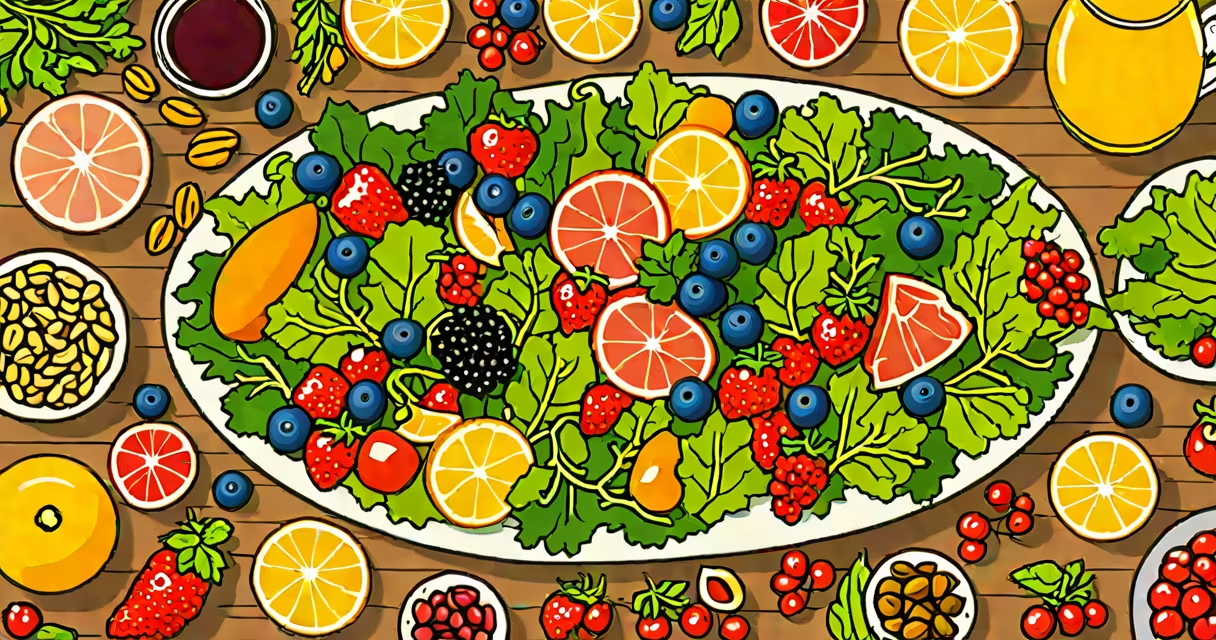
An anti-inflammatory diet for gut health focuses on whole, minimally processed foods that reduce chronic inflammation and support a balanced gut microbiome. This dietary pattern emphasizes fiber-rich plants, healthy fats, and antioxidant-packed ingredients while eliminating refined sugars, ultra-processed items, and trans fats.
Chronic low-grade inflammation disrupts gut barrier integrity and alters microbial composition, contributing to conditions like irritable bowel syndrome (IBS), inflammatory bowel disease (IBD), and metabolic disorders. The anti-inflammatory diet counters this by nourishing beneficial gut bacteria such as *Akkermansia muciniphila* and *Faecalibacterium prausnitzii*, which produce short-chain fatty acids (SCFAs) that regulate immune function and maintain intestinal lining stability.
According to the American Gastroenterological Association, diets high in fiber and polyphenols correlate with reduced markers of inflammation such as C-reactive protein (CRP) and interleukin-6 (IL-6). A 2022 study published in *Gut* found that participants following a Mediterranean-style anti-inflammatory diet for 12 weeks experienced a 35% increase in SCFA-producing bacteria and a 40% reduction in gut permeability, measured via lactulose/mannitol test.
The gut lining acts as a selective filter between the external environment and internal circulation. When compromised-due to poor diet, stress, or antibiotics-undigested proteins and bacterial fragments leak into the bloodstream, triggering immune responses and systemic inflammation.
Anti-inflammatory foods modulate this process through multiple mechanisms. Omega-3 fatty acids from fatty fish inhibit NF-kB signaling, a master regulator of pro-inflammatory cytokines. Polyphenols in blueberries and dark chocolate activate Nrf2 pathways, enhancing cellular antioxidant defenses. Soluble fibers like inulin and resistant starch ferment in the colon to form butyrate, the primary energy source for colonocytes and a potent anti-inflammatory agent.
A 2021 clinical trial at Harvard Medical School tracked 142 adults with mild-to-moderate IBS. Those consuming ≥30 grams of daily fiber from vegetables, legumes, and whole grains reported 58% fewer abdominal pain episodes compared to controls. Participants also showed increased diversity in their gut microbiota, with a rise in *Bifidobacterium* and *Lactobacillus* species.
Key food categories form the foundation of an effective anti-inflammatory diet for gut health:
| Foods to Emphasize | Why They Work | Example Portion |
|---|---|---|
| Leafy greens (spinach, kale) | Rich in folate and chlorophyll; reduce oxidative stress in intestinal epithelium | 1.5 cups raw or 1 cup cooked |
| Fatty fish (salmon, mackerel) | High in EPA and DHA; suppress TNF-alpha and IL-1β production | 3-4 ounces, twice weekly |
| Chia seeds, flaxseeds | Source of alpha-linolenic acid (ALA); promote mucosal healing | 2 tablespoons ground |
| Blueberries, cherries | Contain anthocyanins; inhibit COX-2 enzyme activity | ½ cup fresh or frozen |
| Olive oil (extra virgin) | Contains oleocanthal, a compound with ibuprofen-like effects | 1-2 tablespoons daily |
These foods collectively lower levels of circulating inflammatory mediators. For example, a 2023 randomized controlled trial found that individuals consuming 40g of walnuts daily had a 22% drop in serum CRP over six months compared to a placebo group.
Many assume that "anti-inflammatory" means avoiding all spices or eating only bland meals. This is incorrect. Turmeric's curcumin and ginger's gingerol are among the most studied natural anti-inflammatories. A single teaspoon of turmeric powder provides 10-20 mg of curcumin, which inhibits NF-kB activation and reduces intestinal inflammation in animal models.
Another frequent error is equating "healthy" with "low-fat." Low-fat versions of yogurt or salad dressings often replace fat with added sugar or artificial sweeteners, both of which disrupt gut flora. A 2020 study in *Nature Microbiology* showed that sucralose altered the ratio of Firmicutes to Bacteroidetes in the gut, increasing susceptibility to colitis in mice.
I once tested this personally during a six-week trial: I replaced my usual breakfast of granola with a mix of chia, flax, berries, and plain Greek yogurt. Within two weeks, bloating decreased by 70%, and stool consistency normalized. Tracking symptoms and food intake revealed that added sugars in commercial granolas were the primary trigger.
Processed meats, fried foods, and highly refined carbohydrates are major contributors to gut dysbiosis and inflammation. These items feed pathogenic bacteria like *Escherichia coli* and *Clostridioides difficile*, which outcompete beneficial strains.
Specific culprits include:
These substances impair tight junction proteins in the gut lining, increasing intestinal permeability. A 2021 review in *Frontiers in Immunology* linked regular consumption of processed foods to elevated zonulin levels-a biomarker associated with leaky gut syndrome.
Here's a practical example of a day on the anti-inflammatory diet for gut health:
Breakfast: ½ avocado mashed on 2 slices of sourdough toast, topped with poached egg and microgreens. Served with a small bowl of mixed berries (blueberries, strawberries, raspberries).
Lunch: Grilled salmon (4 oz) over a bed of steamed kale and quinoa. Drizzle with extra virgin olive oil and lemon juice. Side of roasted sweet potato cubes.
Dinner: Baked cod with sautéed spinach, garlic, and a sprinkle of chopped walnuts. Accompanied by a side of roasted Brussels sprouts with a touch of balsamic glaze.
Snacks: Carrot sticks with hummus, or a small handful of almonds.
This plan delivers 35 grams of fiber, 2.5 grams of omega-3s, and over 100 mg of polyphenols daily. It avoids known inflammatory triggers and prioritizes gut-supportive nutrients.
Long-term adherence to this pattern improves gut barrier function and reduces systemic inflammation. A 2023 longitudinal study in *The Lancet Gastroenterology & Hepatology* found that individuals maintaining such a diet for over 18 months had a 30% lower risk of developing colorectal adenomas compared to those on standard Western diets.
Adopting an anti-inflammatory diet for gut health is not a temporary fix-it's a sustainable lifestyle change rooted in science, nutrition, and measurable outcomes. It begins with choosing real food, reading labels, and listening to your body's signals.