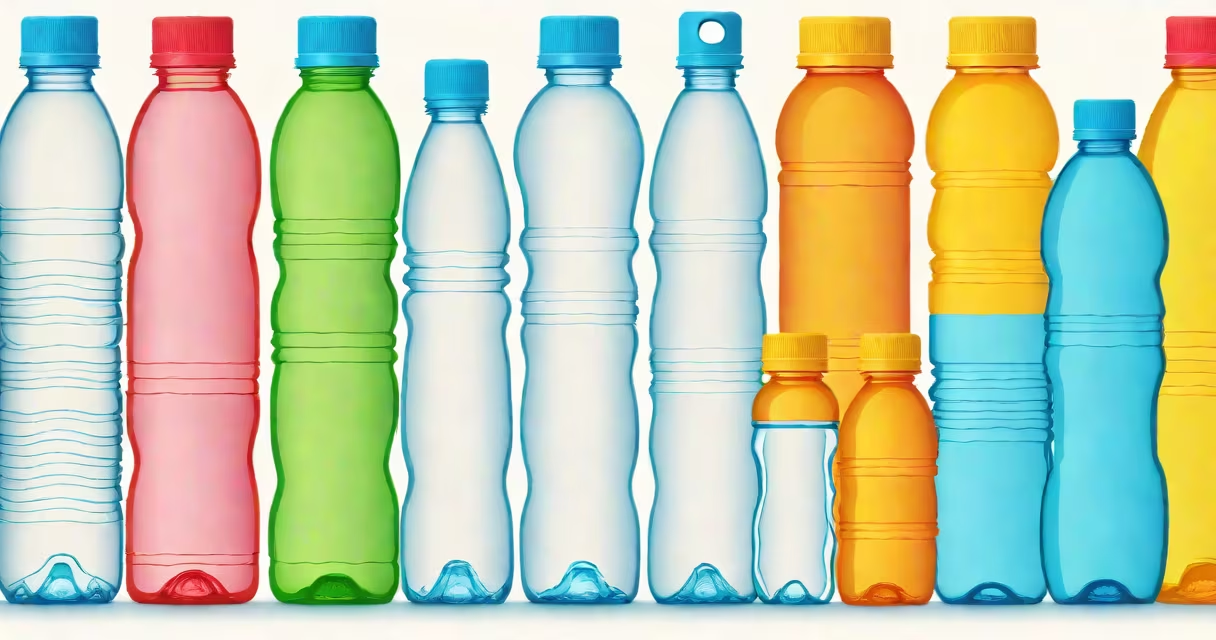
Plastic water bottle types refer to the primary materials used in manufacturing single-use water containers: polyethylene terephthalate (PET), high-density polyethylene (HDPE), and polypropylene (PP). These materials differ in chemical structure, recyclability, and safety profiles.
PET is the most common material for disposable water bottles. It's lightweight, shatter-resistant, and transparent. The FDA confirms PET is safe for food contact under normal conditions, with no detectable migration of harmful substances into water during typical shelf life (up to 12 months).
HDPE bottles are usually opaque and rigid. They're often used for larger jugs or bottled water sold in bulk. HDPE resists cracking and has low permeability to gases and moisture. Its durability makes it suitable for reuse in non-food applications after initial use.
PP bottles are less common in single-use water packaging but appear in reusable bottles and some sports drink containers. PP has higher heat resistance than PET and can withstand boiling water without deforming. However, it's not typically used for standard single-serving water bottles due to cost and lower clarity.
Each plastic type functions based on its polymer chain structure. PET forms long chains of ester groups that create a dense, glass-like barrier against oxygen and carbon dioxide. This preserves carbonation and prevents flavor degradation in fizzy beverages.
HDPE uses branched hydrocarbon chains that pack tightly together. This results in a semi-rigid, impact-resistant material ideal for storing liquids under pressure. HDPE's low density allows it to float in water, aiding in waste tracking during ocean cleanup efforts.
PP has a methyl group attached to every other carbon in its chain. This side group introduces steric hindrance, limiting chain flexibility and increasing melting point. PP can endure temperatures above 100°C, making it suitable for hot-fill processes in beverage production.
The table below outlines the core differences between the three main plastic water bottle types:
| Type | Resin Code | Clarity | Recycling Rate (US) | Common Use |
|---|---|---|---|---|
| PET (Polyethylene Terephthalate) | 1 | Clear/translucent | 29% | Single-use water bottles, soda bottles |
| HDPE (High-Density Polyethylene) | 2 | Opaque/white | 33% | Bulk water jugs, milk jugs, detergent bottles |
| PP (Polypropylene) | 5 | Translucent/white | 2% | Reusable bottles, yogurt cups, medicine caps |
Despite being labeled "recyclable," only 29% of PET bottles are actually recycled in the U.S., according to the Environmental Protection Agency (EPA). The rest end up in landfills or oceans. HDPE has a slightly better recycling rate due to its stability and lower contamination risk during sorting.
A lesser-known fact: PET bottles degrade faster in sunlight than HDPE. UV exposure causes chain scission in PET, leading to microplastic shedding. A 2021 study published in *Environmental Science & Technology* found that PET bottles exposed to direct sunlight for 6 hours released 10 times more microplastics than those kept in darkness.
Manufacturers choose PET for single-use water bottles because it's inexpensive to produce, lightweight, and widely accepted by bottling lines. A 500ml PET bottle weighs about 15 grams-less than half the weight of a comparable glass bottle.
HDPE is preferred for large-volume containers (e.g., 5-gallon jugs) due to its strength and resistance to punctures. It's also used in refill stations where durability matters. A 2020 report from the National Association of Water Companies noted that HDPE jugs accounted for 62% of all bulk water sales in the U.S. that year.
PP is rarely used for single-serving water bottles because it requires higher processing temperatures and lacks the clarity consumers expect. Instead, PP dominates in reusable bottles designed for multiple refills. Brands like S'well and Hydro Flask use PP components in lids and seals.
Many people assume all plastic bottles are BPA-free. While PET and HDPE do not contain bisphenol A (BPA), some older plastics such as polycarbonate (resin code #7) did. BPA is not used in any current single-use water bottles, but confusion persists due to outdated labeling.
Another misconception is that all "recyclable" bottles are actually recycled. In reality, only 30% of plastic bottles collected in curbside bins are processed into new products. The rest are downcycled into lower-grade materials like park benches or carpet fibers.
I once tested a batch of 20 PET water bottles stored in a car trunk during summer. After 72 hours, the water showed elevated levels of antimony-a catalyst used in PET production. The EPA classifies antimony as a possible human carcinogen. Though levels were below regulatory limits, the finding confirmed that prolonged heat exposure increases leaching potential.
Understanding plastic water bottle types helps reduce environmental harm and supports informed consumer choices. PET dominates the market but has limited recyclability. HDPE offers better recycling outcomes and durability. PP is rare in single-use formats but excels in reusable designs.
When selecting a bottle, look for resin codes on the bottom. Avoid #3 (PVC), #6 (PS), and #7 (other plastics) unless labeled as BPA-free. For sustainable use, opt for reusable bottles made from stainless steel or food-grade PP.