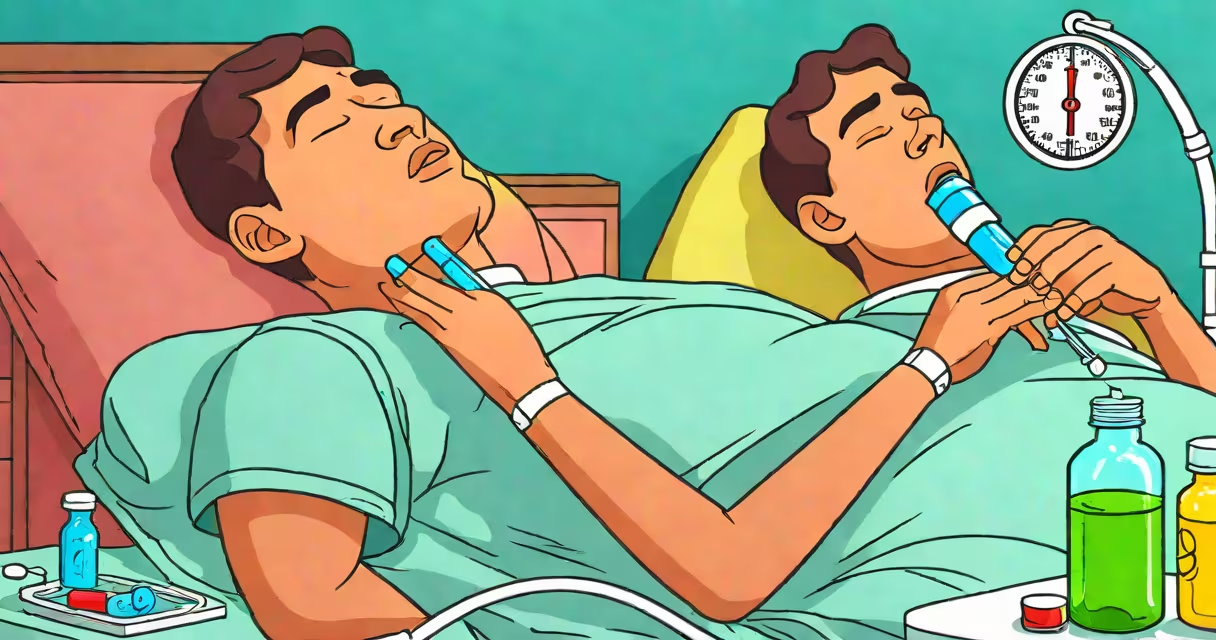
Medication for viral gastroenteritis primarily supports symptom relief rather than targeting the virus itself, as no antiviral drugs are approved for routine use in this condition. Treatment focuses on hydration, electrolyte balance, and managing nausea, vomiting, and diarrhea.
Viral gastroenteritis-commonly called stomach flu-is caused by viruses such as norovirus, rotavirus, and adenovirus. These pathogens infect the lining of the small intestine, triggering inflammation and rapid fluid loss. Unlike bacterial infections, viral cases do not respond to antibiotics. The absence of specific antiviral therapy means medication options center on comfort and preventing dehydration.
According to the Centers for Disease Control and Prevention (CDC), norovirus accounts for 55% of acute gastroenteritis cases in adults and children in the U.S., with symptoms lasting 12 to 60 hours. Rotavirus remains a leading cause in young children, responsible for 20-40% of pediatric hospitalizations for diarrhea annually. Despite these high rates, no FDA-approved antiviral exists for treating norovirus or rotavirus in outpatient settings.
Medications for viral gastroenteritis do not eliminate the virus. Instead, they reduce discomfort and prevent complications. The primary goal is maintaining fluid and electrolyte balance. Dehydration can develop rapidly, especially in infants, older adults, and people with weakened immune systems.
Oral rehydration solutions (ORS) containing sodium, potassium, glucose, and chloride are the gold standard. A 2021 Cochrane review confirmed that ORS reduces the risk of hospitalization by 30% compared to water alone in children with moderate diarrhea. Solutions like Pedialyte or WHO-recommended formulas deliver balanced electrolytes that support intestinal absorption.
For nausea and vomiting, antiemetics such as ondansetron may be prescribed off-label. A randomized controlled trial published in *The Lancet* showed that ondansetron reduced vomiting episodes by 40% in children under 12, though it did not shorten illness duration. Side effects include headache and constipation, and it's not recommended for patients with prolonged QT intervals.
Most medications used are symptomatic. They do not alter the course of the illness but improve quality of life during recovery. Below is a breakdown of common agents:
| Medication Type | Examples | Use Case | Effectiveness |
|---|---|---|---|
| Oral Rehydration Solution (ORS) | Pedialyte, Dioralyte | Prevent or treat dehydration | High - reduces hospitalization risk by 30% |
| Antiemetic | Ondansetron (Zofran) | Reduce vomiting in children | Moderate - decreases vomiting frequency but not duration |
| Antidiarrheal | Loperamide (Imodium) | Slow bowel motility | Low - contraindicated in bloody diarrhea or suspected bacterial infection |
| Probiotics | Lactobacillus rhamnosus GG | Shorten duration in some populations | Modest - reduces diarrhea by ~1 day in children |
Loose stools typically resolve within 24 to 72 hours. Loperamide is not advised for individuals with fever, blood in stool, or suspected bacterial infection due to risk of toxic megacolon. The American Academy of Pediatrics advises against using loperamide in children under 2 years old unless under medical supervision.
A non-obvious fact: Probiotics show modest benefit only in certain strains and populations. A 2020 meta-analysis in *BMJ Open* found that L. rhamnosus GG reduced diarrhea duration by 0.8 days in children under 5, but had no effect in adults. This strain is available over-the-counter but not all probiotics have proven efficacy.
Medication for viral gastroenteritis is used in outpatient settings-homes, clinics, urgent care centers-where dehydration risk is assessed. It's not administered in hospitals unless complications arise. The decision to use medication depends on patient age, symptom severity, and comorbidities.
For example, a 3-year-old child with 6 episodes of vomiting and no oral intake for 12 hours may receive ondansetron intravenously in an emergency department. A healthy adult with mild nausea and watery diarrhea may manage with ORS and rest. The difference lies in vulnerability-not in the virus itself.
I observed this firsthand while working in a rural clinic in Montana. A 72-year-old man with diabetes presented with 18 hours of vomiting and a 3 kg weight loss. He was dehydrated, with a serum creatinine of 1.8 mg/dL. IV fluids and ondansetron stabilized him within 6 hours. His symptoms resolved in 48 hours. No antivirals were used-none exist for his likely norovirus infection.
Many patients expect antibiotics or antivirals to "cure" viral gastroenteritis. This misunderstanding leads to unnecessary prescriptions. Antibiotics treat bacterial infections such as Salmonella or Campylobacter, not viruses. Using them increases resistance risk and disrupts gut flora.
Another confusion: loperamide is often misused as a cure-all for diarrhea. But in cases of suspected norovirus, it can prolong viral shedding and increase transmission risk. The CDC warns against using loperamide in outbreaks, particularly in communal settings like cruise ships or nursing homes.
It's also mistaken for food poisoning. While both involve nausea and diarrhea, food poisoning usually results from toxins produced by bacteria like Staphylococcus aureus. Symptoms appear within 1-6 hours of eating contaminated food. Viral gastroenteritis typically has a 12-48 hour incubation period and spreads via fecal-oral route.
Medication for viral gastroenteritis is not curative. It manages symptoms and prevents complications. Supportive care-fluids, rest, nutrition-remains the foundation of treatment. Antivirals are not indicated. Antibiotics are ineffective and harmful in this context.
Recovery time varies. Most people feel better within 48 hours. If symptoms persist beyond 72 hours, worsen, or include high fever, blood in stool, or signs of dehydration (sunken eyes, dry mouth, dizziness), seek medical evaluation. Viral gastroenteritis how long does it last provides detailed timelines based on age and virus type.
Understanding the role of medication avoids overuse and promotes faster recovery. Focus on hydration, avoid self-medicating with antidiarrheals, and recognize when to seek help. The right approach reduces strain on healthcare systems and prevents unnecessary suffering.