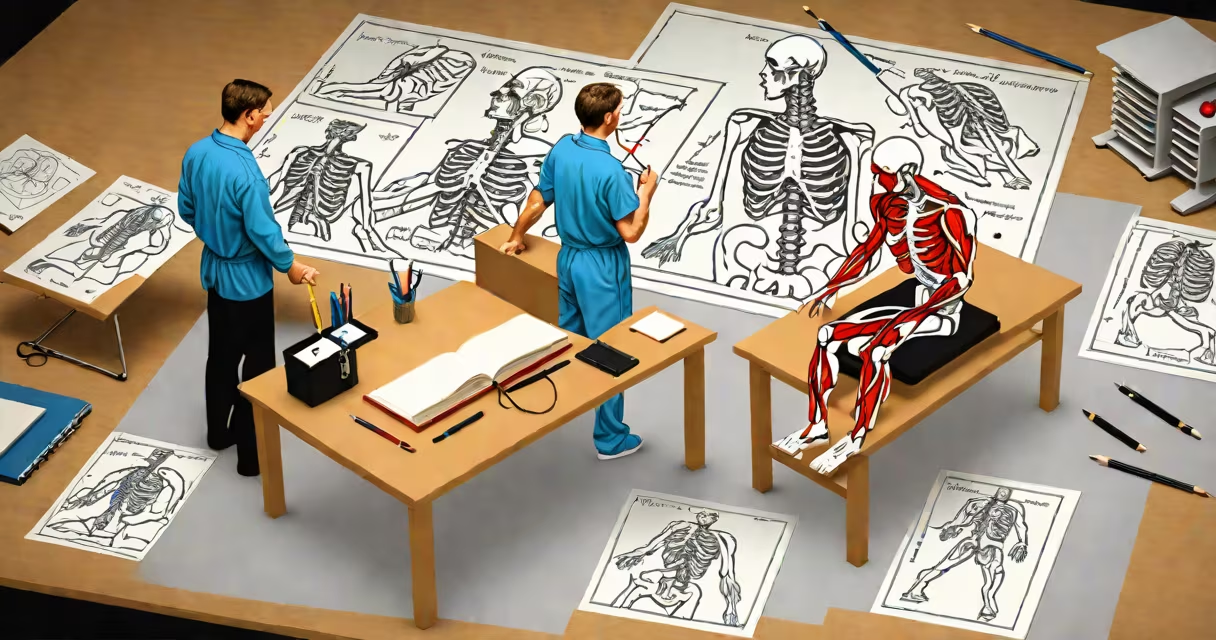
Classes physical therapist required include foundational science courses like human anatomy, physiology, and biomechanics, along with advanced clinical training in neurology, orthopedics, and patient management-all delivered through accredited Doctor of Physical Therapy (DPT) programs.
Physical therapists must complete a minimum of three years of graduate-level study after earning a bachelor's degree. These programs are structured around core competencies defined by the Commission on Accreditation in Physical Therapy Education (CAPTE), which ensures all curricula meet national standards for clinical readiness.
Each course builds toward a unified goal: preparing graduates to assess movement dysfunction, design individualized treatment plans, and deliver evidence-based care. Programs require 30 weeks of supervised clinical experience, ensuring students apply classroom knowledge in real-world settings such as outpatient clinics, hospitals, and rehabilitation centers.
DPT programs are divided into academic semesters and clinical rotations. The first two years focus on didactic instruction, while the final year emphasizes hands-on learning under licensed clinicians.
Key courses include:
These courses are not elective. CAPTE mandates that all accredited programs include specific content areas and minimum contact hours. For example, the American Physical Therapy Association (APTA) requires that DPT programs include at least 100 hours of direct patient care during clinical education.
Students must complete undergraduate prerequisites before entering a DPT program. These typically include:
| Course | Hours Required | Source Standard |
|---|---|---|
| General Biology | 8 | APTA Guidelines (2023) |
| General Chemistry | 8 | APTA Guidelines (2023) |
| Physics (Mechanics) | 8 | APTA Guidelines (2023) |
| Psychology | 3 | Capstone requirement for patient communication |
| Statistics | 3 | Required for research literacy |
Some programs also require a course in ethics or health policy. These prerequisites ensure applicants have the scientific foundation needed to succeed in a rigorous graduate environment.
For example, the University of Pittsburgh's DPT program requires applicants to have completed at least one course in each of the five categories above, with a minimum GPA of 3.0 in prerequisite courses. Competitive candidates often exceed these thresholds, with GPAs above 3.5.
Many assume that physical therapy school is only about manual therapy or stretching. This is incorrect. While hands-on skills are taught, they form a small fraction of the curriculum.
One non-obvious fact: DPT programs do not teach certification-specific skills like dry needling or spinal manipulation until after graduation. These are advanced procedures requiring additional post-licensure training and state authorization. The core curriculum focuses on foundational knowledge, not specialty techniques.
Another misconception is that physical therapy education is similar to nursing school. While both involve patient interaction and clinical rotations, physical therapy emphasizes movement science and functional restoration rather than disease management. A physical therapist treats musculoskeletal injuries, neurological impairments, and chronic pain-but does not prescribe medication or perform surgery.
I observed a DPT student in a geriatric outpatient clinic during my time volunteering at a rehabilitation center. Over six weeks, she evaluated patients with post-stroke weakness using standardized tools like the Fugl-Meyer Assessment and Berg Balance Scale. Her treatment plans included gait training, balance exercises, and home safety modifications.
She had studied these assessments in class, but applying them in real time-adjusting for fatigue, fear of falling, and cognitive deficits-required detailed judgment. That moment confirmed that classes physical therapist required go beyond memorizing facts. They train problem-solving under variable conditions.
Programs like those at Washington University in St. Louis integrate simulation labs where students practice complex scenarios, such as managing a patient with multiple comorbidities. These simulations use mannequins, standardized patients, and video feedback to reinforce decision-making under pressure.
After completing a DPT program, graduates must pass the National Physical Therapy Examination (NPTE) administered by the Federation of State Boards of Physical Therapy (FSBPT). This exam tests knowledge across domains including examination, evaluation, diagnosis, prognosis, intervention, and outcomes measurement.
States also require jurisprudence exams on local laws governing physical therapy practice. For example, California requires passing the California Physical Therapy Jurisprudence Exam, which covers scope of practice, documentation standards, and billing regulations.
Once licensed, physical therapists may pursue board certification in specialties such as orthopedics, neurology, or sports physical therapy. These certifications require additional training and testing, but they are not part of the initial classes physical therapist required.
The curriculum for classes physical therapist required aims to produce independent, critical thinkers who can adapt to diverse patient needs across settings-from pediatric clinics to intensive care units. Mastery of the material ensures safe, effective, and ethical practice in a field where patient outcomes depend on precise assessment and tailored intervention.