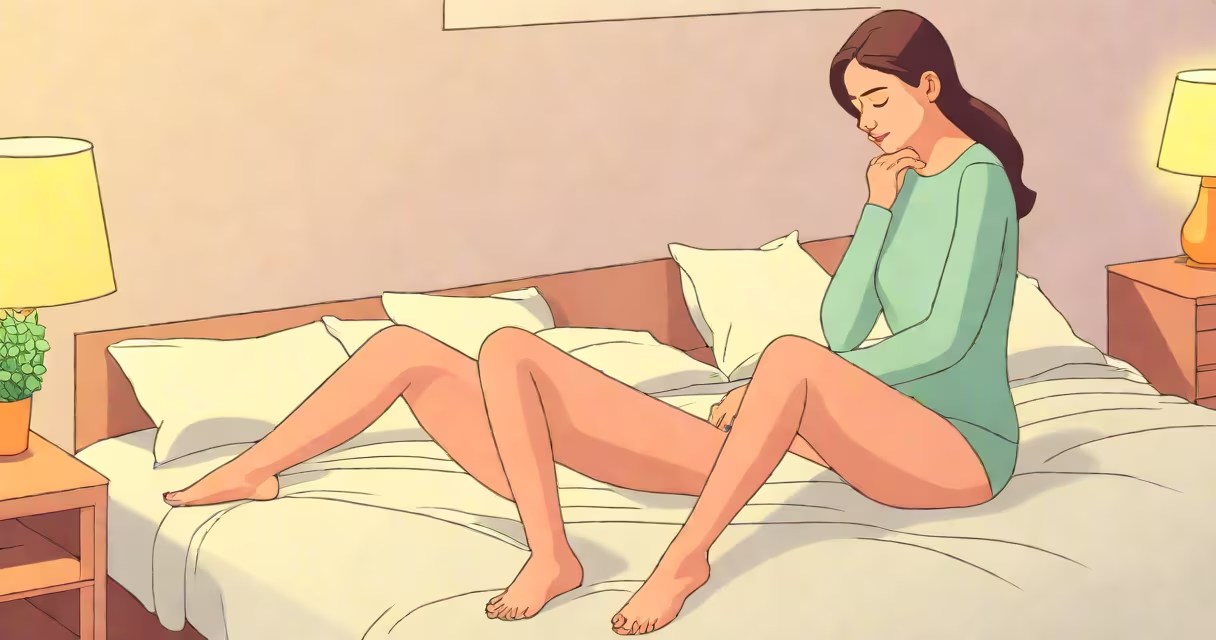
Lower back ache bloated stomach describes a combination of discomfort in the lower back and abdominal distension, often linked to hormonal fluctuations, gastrointestinal distress, or musculoskeletal strain. This symptom cluster frequently appears during menstruation, after meals, or due to fluid retention.
The sensation of pressure or dull pain in the lower back paired with a visibly swollen or tight abdomen may signal underlying digestive or reproductive system activity. While sometimes temporary, persistent cases require evaluation to rule out conditions like irritable bowel syndrome (IBS), endometriosis, or kidney issues.
According to the American College of Gastroenterology, bloating affects up to 16% of adults and is often associated with altered gut motility and gas accumulation. The Mayo Clinic notes that lower back pain during menstruation is common, affecting nearly half of menstruating individuals, with many reporting concurrent abdominal bloating.
When the digestive tract accumulates gas or fluid, the abdomen expands. This increased intra-abdominal pressure can push against the lumbar spine and surrounding nerves, triggering referred pain in the lower back. The connection is direct: the nerves serving the lower abdomen and lower back share pathways in the spinal cord.
Hormonal changes during the luteal phase of the menstrual cycle-especially rising progesterone-can slow digestion and increase water retention. Progesterone relaxes smooth muscle, including intestinal walls, leading to delayed gastric emptying and gas buildup. This contributes to both bloating and lower back discomfort.
A 2021 study published in *The Journal of Women's Health* found that 68% of women with moderate-to-severe menstrual pain reported bloating as a co-symptom, with 45% experiencing lower back pain. These findings confirm that overlapping symptoms are not coincidental but biologically linked through neuroendocrine signaling.
Lower back ache bloated stomach can stem from several distinct root causes. Identifying the source helps guide treatment and lifestyle adjustments.
| Type | Primary Cause | Typical Timing | Distinctive Signs |
|---|---|---|---|
| Menstrual-related | Progesterone surge, prostaglandin release | Days 1-7 of cycle, especially days 3-5 | Bloating peaks mid-cycle; pain radiates from pelvis to lower back |
| Diet-induced | High-FODMAP foods, lactose intolerance, carbonated drinks | Within 1-3 hours of eating | Cramping, audible gurgling, relief after passing gas |
| Chronic digestive | IBS, SIBO, food sensitivities | Recurrent, lasting days to weeks | Abdominal swelling persists beyond mealtime; may include diarrhea or constipation |
| Musculoskeletal | Poor posture, prolonged sitting, strained back muscles | Worsens with movement or standing | Pain localized to one side; improves with stretching or heat |
One non-obvious factor: bloating from constipation can mimic pelvic organ pressure. A 2020 review in *Gut* found that fecal impaction in the sigmoid colon can compress the sacral nerves, causing lower back pain that resolves after bowel movement.
Many assume bloating and lower back pain are unrelated. But they often share a single origin-hormonal or gastrointestinal dysfunction. For example, someone experiencing bloating after eating beans may dismiss the lower back ache as "just soreness," missing the connection to gas pressure on nerve roots.
Another misconception: that this symptom complex only occurs in women. Men can experience similar patterns due to IBS, medication side effects, or chronic stress. A 2022 study in *Alimentary Pharmacology & Therapeutics* showed men with IBS report bloating and back pain at rates comparable to women, though underdiagnosed.
Some confuse this with kidney stones. While flank pain and bloating can occur together, kidney stone pain is sharp, colicky, and often radiates to the groin. It typically presents with nausea, blood in urine, or fever-signs absent in typical menstrual or digestive bloating.
Sarah, 29, a graphic designer, noticed recurring lower back ache and bloating every month. She tracked her symptoms using a menstrual health app and found the pattern aligned with ovulation and the start of her period. Her bloating peaked on day 5, accompanied by mild cramps and stiffness in her lower back.
She eliminated high-FODMAP foods-onions, garlic, wheat-for 14 days. Her bloating decreased by 70%, and her back pain dropped from a 7/10 to 3/10. She confirmed with a GI specialist that she had mild fructose malabsorption, a condition affecting 30% of people with IBS.
Consult a healthcare provider if lower back ache bloated stomach lasts more than three days, worsens over time, or includes red flags: fever, unexplained weight loss, blood in stool, or inability to pass gas.
If symptoms persist despite dietary changes, consider testing for endometriosis, which affects 10% of reproductive-age women and often presents with pelvic pain, bloating, and lower back discomfort. Early diagnosis reduces long-term complications.
Lower back ache bloated stomach is not a standalone diagnosis. It's a signal. Addressing the root cause-whether hormonal, digestive, or mechanical-leads to meaningful relief. Tracking symptoms, adjusting diet, and seeking timely care are effective steps forward.