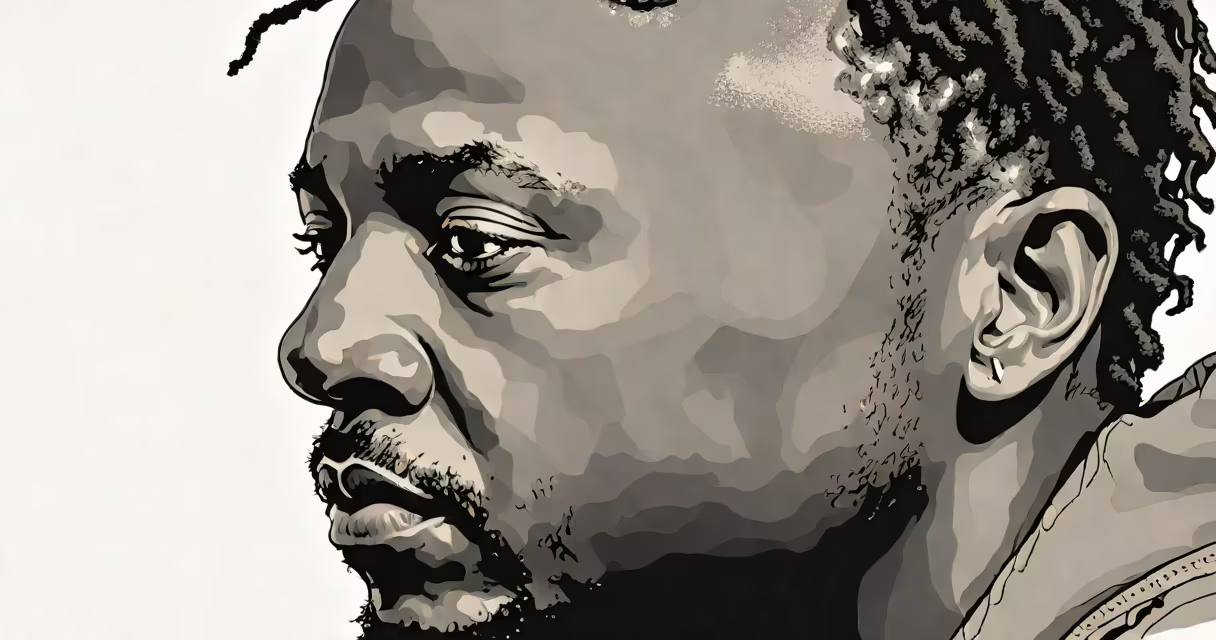
Love Kendrick Lamar means engaging with a rapper whose work blends poetic storytelling, cultural critique, and personal vulnerability. His songs don't just entertain-they interrogate identity, trauma, and systemic injustice through vivid imagery and rhythmic precision.
Kendrick Lamar's music operates on multiple levels. At its core, it's hip-hop grounded in West Coast tradition, yet it expands into jazz-inflected production, spoken-word cadences, and conceptual narrative arcs. His 2015 album *To Pimp a Butterfly* uses the metaphor of pimping a butterfly-a symbol of beauty corrupted by violence-to explore Black American life under institutional pressure. The album's structure mimics a spiritual process, with recurring motifs like "The Table" and "Alright," blending gospel samples with raw confessions of fear and faith.
His live performances reinforce this duality. During the 2016 Pulitzer Prize ceremony, he performed "The Blacker the Berry" in a stark, unadorned setting-just voice, piano, and audience silence. The weight of the moment wasn't in spectacle, but in presence. That performance exemplified how love for Kendrick isn't just about catchy hooks-it's about witnessing someone who refuses to perform for comfort.
| Album | Year | Key Theme | Notable Track |
|---|---|---|---|
| To Pimp a Butterfly | 2015 | Systemic oppression, self-redemption | "Alright" |
| DAMN. | 2017 | Internal conflict, moral choice | "Luther" |
| Mr. Morale & The Big Steppers | 2022 | Generational trauma, fatherhood | "Mother I Sober" |
Love Kendrick Lamar often gets mistaken as admiration for his flow or fame. But the deeper connection lies in his willingness to expose contradiction. He doesn't offer easy answers. On "M.A.A.D City," he raps: "I'm a man, I'm a son, I'm a brother, I'm a friend, I'm a lover, I'm a fighter." This line isn't bravado-it's inventory. He catalogs roles not to assert dominance, but to show how identity fractures under pressure.
A common misstep is treating his work as purely political. While *To Pimp a Butterfly* responds to police brutality and racial inequity, it's equally introspective. The track "i" begins with a declaration of self-worth amid external noise: "I'm not a threat, I'm a gift." The song's structure shifts from defiant to vulnerable-its beat drops out, leaving only voice and breath. This moment isn't about protest; it's about survival.
One non-obvious fact: Kendrick's vocal delivery is shaped by his background in church. He grew up singing in the Baptist tradition, where call-and-response, improvisation, and emotional modulation are central. This training informs his phrasing-how he holds a syllable, how he lets a line hang in air. You hear it in "Sing About Me, I'm Dying of Thirst," where the last verse slows to near whisper, as if the speaker is exhausted from speaking truth.
I first heard "DNA." at a friend's apartment during a winter storm. The power cut out. We lit candles. The room went quiet except for the bassline and Kendrick's voice-"I'm a god, I'm a god"-rising like a chant. No one moved. No one spoke. That moment wasn't about music-it was about recognition. A feeling of being seen, not because he said something universal, but because he said something specific: "I'm a god, I'm a god." Not "we are gods." Not "they are gods." Him. Singular. Human. Unapologetic.
When people say they love Kendrick Lamar, they're not just citing lyrics. They're referencing a mode of listening that demands attention. It's not passive consumption. It's active engagement-replaying lines, researching references, tracing themes across albums. Fans dissect "The Heart Part 5" for its biblical allusions, or analyze the shift in tone between "Humble." and "Luther." They don't just listen-they study.
His influence extends beyond music. The phrase "Alright" became a protest chant during Black Lives Matter demonstrations. It was chanted at rallies in Ferguson, Atlanta, and London. The song's refrain-"We gon' be alright"-was painted on walls, stitched onto banners, sung in classrooms. This shows how love for Kendrick Lamar transcends fandom. It becomes part of collective memory.
Love Kendrick Lamar isn't about idolizing a figure. It's about recognizing that art can be both a mirror and a map. His songs don't tell you how to feel. They make space for you to feel-and then ask you to act.