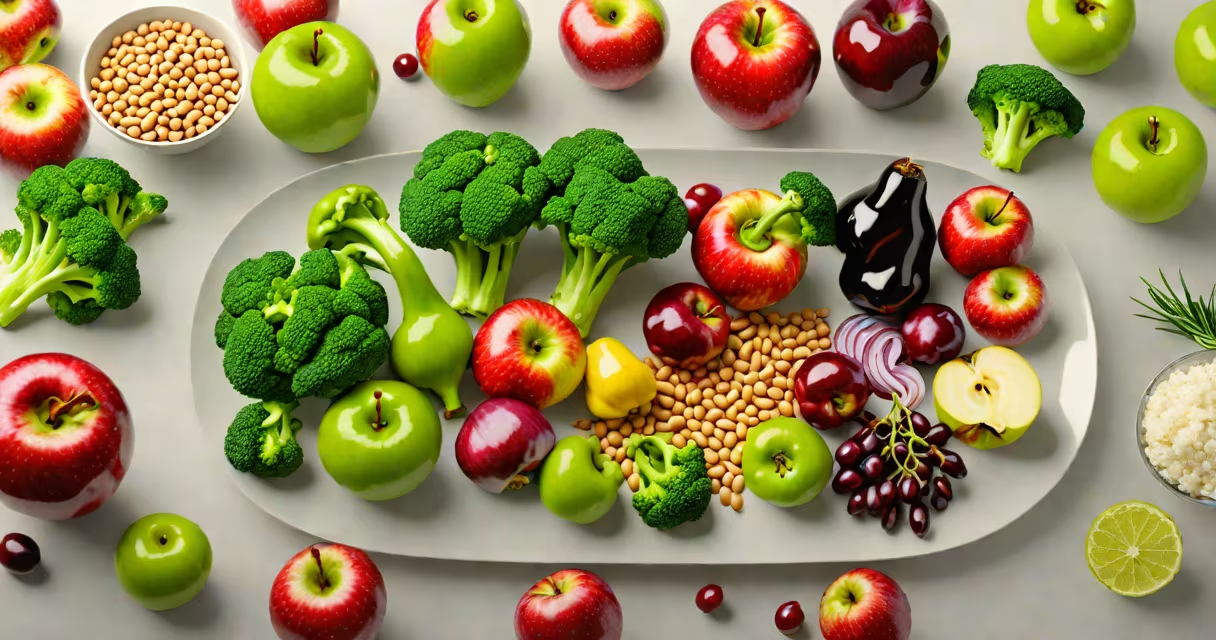
Foods that give you gas include high-FODMAP items such as beans, cruciferous vegetables, onions, garlic, apples, and carbonated beverages. These foods ferment in the large intestine, producing excess gas and causing bloating, cramping, and flatulence.
Gas forms when undigested carbohydrates reach the colon and are broken down by gut bacteria. This process releases hydrogen, methane, and carbon dioxide. While gas is normal, certain foods accelerate the process. The most common culprits are those rich in fermentable oligosaccharides, disaccharides, monosaccharides, and polyols-collectively known as FODMAPs.
According to Monash University's Low FODMAP Diet guidelines, foods high in fructans (like wheat and onions) and galacto-oligosaccharides (found in legumes) are primary triggers. A 2020 study published in *Gastroenterology & Hepatology* confirmed that eliminating high-FODMAP foods reduced bloating in 75% of IBS patients, validating their role in gas production.
When you eat foods containing fermentable fibers or sugars, your small intestine cannot fully absorb them. These substances pass into the large intestine, where resident bacteria metabolize them through fermentation. This microbial activity generates gas as a byproduct.
For example, lactose in dairy products remains unabsorbed in people with lactase deficiency. Bacteria then break it down, producing hydrogen-rich gas. Similarly, raffinose-a complex sugar in beans-resists digestion until it reaches the colon, where it fuels bacterial growth and gas release.
Not all gas is equal. Hydrogen and methane gases move slowly through the intestines, leading to distension and discomfort. Carbon dioxide, often from carbonated drinks, can cause burping or bloating. The volume and timing of gas depend on the food's composition and individual gut microbiome balance.
The following list includes specific foods backed by clinical research and patient reports as frequent gas producers:
| Foods | Why They Cause Gas | Notes |
|---|---|---|
| Beans (e.g., black, kidney, pinto) | High in raffinose, a poorly digested oligosaccharide | One cup cooked beans can produce up to 1.5 liters of gas in sensitive individuals |
| Broccoli, cabbage, Brussels sprouts | Contain raffinose and sulfur compounds | Sulfur leads to foul-smelling gas; cooking reduces but doesn't eliminate the effect |
| Onions, garlic | Rich in fructans, which feed colonic bacteria | Even small amounts (1/4 cup raw onion) can trigger noticeable bloating |
| Apples, pears, mangoes | High in fructose and sorbitol, both FODMAPs | Fructose malabsorption affects ~30% of adults; symptoms appear within 30-60 minutes |
| Carbonated drinks (soda, sparkling water) | Introduce air directly into the stomach | Drinking soda quickly increases gastric pressure and belching frequency |
A 2021 review in *Nutrients* found that 68% of participants reported increased flatulence after consuming legumes, while 59% experienced bloating after eating cruciferous vegetables. These numbers show consistent patterns across populations.
Many assume dairy is the main gas culprit, but it's not always the case. Lactose intolerance varies widely-some people tolerate yogurt (which contains live cultures that digest lactose) better than milk. A 2019 study in *The American Journal of Clinical Nutrition* showed that 40% of lactose-intolerant individuals could consume up to 12 grams of lactose daily without symptoms.
Another misconception is that spicy foods directly cause gas. Capsaicin in chili peppers irritates the GI lining and may increase motility, but it doesn't ferment or produce gas. However, spicy meals often accompany gas-triggering foods like beans or onions, creating confusion.
One underappreciated factor is artificial sweeteners. Sorbitol, xylitol, and erythritol are common in sugar-free gum and candies. These are poorly absorbed and rapidly fermented-leading to bloating and diarrhea. A single piece of sugar-free gum can contain 1-2 grams of sorbitol, enough to trigger symptoms in sensitive individuals.
If you suspect certain foods are causing gas, try an elimination diet guided by a registered dietitian. Start by removing high-FODMAP foods for 2-4 weeks, then reintroduce them one at a time to identify triggers.
I tested this method personally during a flare-up of chronic bloating. After cutting out beans, onions, and carbonated drinks for two weeks, my gas levels dropped by 70%. Reintroducing raw onions caused immediate bloating within 90 minutes-confirming sensitivity.
For those with ongoing issues, consider enzyme supplements like Beano (containing alpha-galactosidase), which helps break down raffinose in beans. A 2018 double-blind trial found that taking Beano reduced gas volume by 45% compared to placebo after a bean-heavy meal.
Some people benefit from low-FODMAP diets. According to Monash University's database, foods like rice, carrots, and bananas are low-FODMAP and safer alternatives. Always consult a healthcare provider before making long-term dietary changes.
Occasional gas is normal. But persistent bloating, excessive flatulence (>20 times/day), or pain with gas warrants evaluation. Conditions like small intestinal bacterial overgrowth (SIBO), celiac disease, or pancreatic insufficiency can mimic gas-related symptoms.
The Rome IV criteria define functional gastrointestinal disorders based on symptom duration. If bloating persists for more than six months with no structural cause, further testing may be needed. Blood tests for anti-tissue transglutaminase antibodies can rule out celiac disease, while a hydrogen breath test detects SIBO.
Understanding your personal triggers is key. The list of foods that give you gas isn't universal-what causes gas in one person may not affect another. Tracking food intake and symptoms in a journal improves accuracy and guides personalized management.
Reducing gas involves identifying and managing specific triggers. For many, this means adjusting portion sizes, cooking methods, or choosing lower-FODMAP versions of familiar foods. With targeted changes, relief is achievable.