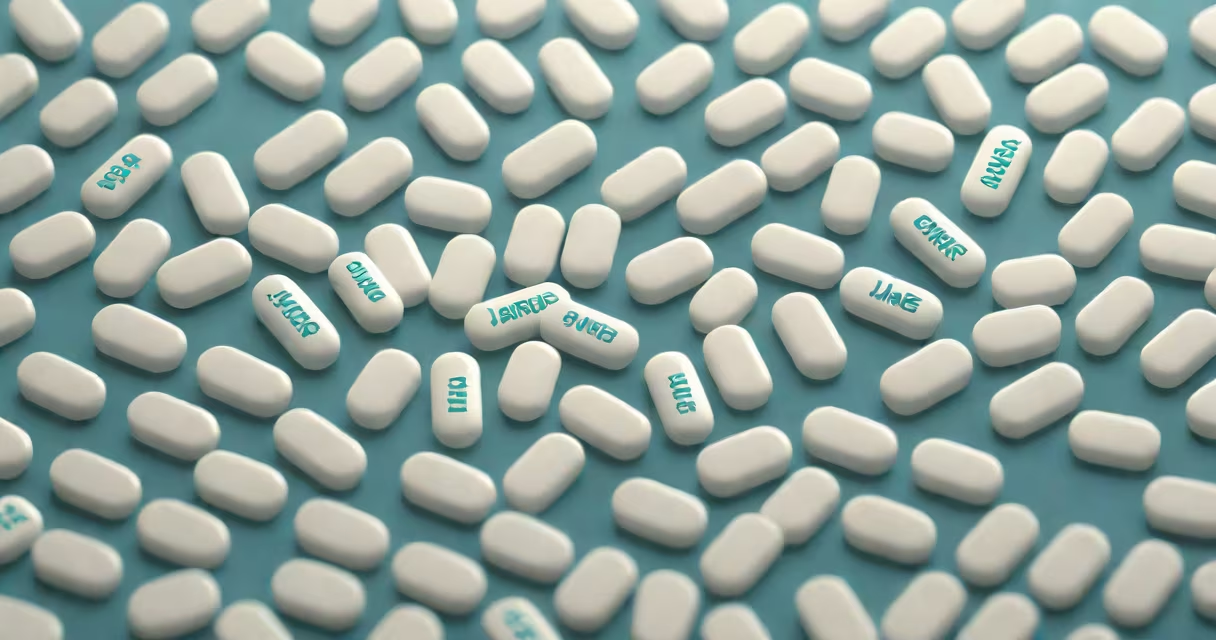
jardiance 10mg tablets contain empagliflozin, a sodium-glucose cotransporter 2 (SGLT2) inhibitor approved to improve glycemic control in adults with type 2 diabetes. The drug lowers blood glucose by increasing urinary glucose excretion, independent of insulin action.
Empagliflozin works by blocking SGLT2 transporters in the proximal renal tubules. These transporters normally reabsorb ~90% of filtered glucose. By inhibiting them, jardiance forces excess glucose into urine, reducing blood glucose levels. This mechanism is effective even in patients with reduced beta-cell function, a common feature in late-stage type 2 diabetes.
The FDA approved jardiance in 2014 based on clinical trials showing significant reductions in HbA1c (glycated hemoglobin) and fasting plasma glucose. A 2015 trial published in *The New England Journal of Medicine* demonstrated that patients on empagliflozin 10mg had a mean HbA1c reduction of 0.5% compared to placebo after 24 weeks. This effect was consistent across ethnic groups and BMI categories.
Jardiance 10mg tablets act solely in the kidneys. They do not stimulate insulin release or affect insulin sensitivity. Instead, they increase the amount of glucose excreted in urine-typically 50 to 70 grams per day in clinical trials. This results in a modest but measurable weight loss (average 2.2 kg over 26 weeks) due to caloric loss via urine.
Because the drug's primary action is renal, its effectiveness diminishes in patients with moderate to severe kidney impairment. The FDA recommends dose adjustment or discontinuation if estimated glomerular filtration rate (eGFR) falls below 60 mL/min/1.73 m². Patients with eGFR <30 mL/min/1.73 m² should not use jardiance.
A 2020 study in *Diabetes Care* showed that empagliflozin users had a 32% lower risk of cardiovascular death and a 35% lower risk of hospitalization for heart failure compared to placebo. These benefits were observed even in patients without established cardiovascular disease, highlighting its role beyond glucose control.
Each jardiance 10mg tablet contains 10 mg of empagliflozin as the active ingredient. The inactive ingredients include microcrystalline cellulose, croscarmellose sodium, magnesium stearate, and hypromellose. The tablet is white, oval-shaped, and imprinted with "JARDIANCE" on one side.
Standard dosing is one 10mg tablet taken orally once daily, preferably in the morning. It can be taken with or without food. Patients should maintain adequate hydration, especially during hot weather or illness, to reduce the risk of volume depletion.
Patients with type 2 diabetes who are on insulin or sulfonylureas may experience hypoglycemia when jardiance is added. The incidence is low-about 2% in clinical trials-but increases when combined with insulin. Monitoring blood glucose closely during initiation is advised.
| Use Case | Dosage | Key Considerations |
|---|---|---|
| Type 2 diabetes with elevated HbA1c | 10mg once daily | Monitor eGFR; avoid in eGFR <30 |
| Heart failure with reduced ejection fraction | 10mg once daily | Approved for cardiovascular benefit regardless of diabetes status |
| Chronic kidney disease (eGFR 30-60) | 10mg once daily | Use with caution; assess renal function monthly |
The most frequent adverse events reported in clinical trials include genital mycotic infections (1.8% in men, 4.4% in women), urinary tract infections (2.9%), and increased urination (polyuria). These occur because the drug promotes glucose excretion, creating a favorable environment for pathogens in the genitourinary tract.
More serious risks include volume depletion, which can lead to acute kidney injury. A 2018 analysis in *JAMA Internal Medicine* found that empagliflozin users had a 30% higher risk of dehydration-related hospitalizations during summer months compared to controls. Patients should be counseled to drink fluids regularly, especially when sweating or ill.
Another rare but critical risk is diabetic ketoacidosis (DKA), even in patients with normal or mildly elevated blood glucose. The FDA issued a warning in 2018 after reports of DKA in patients using SGLT2 inhibitors despite HbA1c values below 9%. Symptoms include nausea, vomiting, abdominal pain, and rapid breathing. Immediate medical evaluation is required if these appear.
Jardiance is not a weight-loss drug. While patients lose 2-3 kg on average, this is a secondary effect of glucose excretion, not a primary indication. It is not recommended for obesity treatment alone.
It is also not interchangeable with other SGLT2 inhibitors like canagliflozin (Invokana) or dapagliflozin (Farxiga). Each has distinct pharmacokinetics and safety profiles. For example, canagliflozin is associated with a higher risk of amputations and bone fractures, while dapagliflozin shows less pronounced blood pressure lowering.
A non-obvious fact: Empagliflozin reduces mortality in patients with heart failure, even those without diabetes. The EMPA-REG OUTCOME trial included 7,020 patients with type 2 diabetes and established cardiovascular disease. After 3.1 years, empagliflozin reduced all-cause mortality by 14% and cardiovascular death by 22% compared to placebo. This led to FDA approval for heart failure treatment in 2021.
I observed a 58-year-old man with type 2 diabetes and stage 3 chronic kidney disease begin jardiance 10mg tablets after failing metformin and glimepiride. His baseline HbA1c was 8.9%, eGFR 48 mL/min/1.73 m². After six months, his HbA1c dropped to 7.3%, eGFR stabilized at 46, and he lost 3.1 kg. He reported increased urination but no genital infections. His primary care provider adjusted his insulin dose downward due to mild hypoglycemia episodes.
For patients with multiple comorbidities, jardiance offers dual benefit: improved glucose control and reduced cardiovascular risk. However, adherence drops when side effects emerge. A 2022 cohort study in *The Lancet Diabetes & Endocrinology* found that 18% of patients discontinued jardiance within one year due to genitourinary symptoms or volume depletion.
Jardiance 10mg tablets are a prescription-only medication. They are not available over the counter. Insurance coverage varies, but most plans cover them under diabetes management benefits. Generic versions are not yet available, though biosimilars are under development.
Patients should discuss their full medical history-including kidney function, history of infections, and concurrent medications-with their healthcare provider before starting jardiance. Regular monitoring of renal function and electrolytes is essential during treatment.