Menstrual pain, or dysmenorrhea, is caused by uterine contractions triggered by prostaglandins. Effective relief involves reducing inflammation and relaxing muscle spasms through medication, heat, diet, and movement. Over 50% of people with periods experience moderate to severe pain, but targeted interventions reduce symptoms.
Prostaglandins are hormone-like substances released during shedding of the uterine lining. High levels cause intense contractions that compress blood vessels, temporarily cutting off oxygen supply to the uterus. This ischemia results in sharp, cramping pain. The condition affects up to 90% of adolescents and adults with periods, with 10-15% reporting pain severe enough to disrupt daily activities.
Medical guidelines from the American College of Obstetricians and Gynecologists (ACOG) recommend nonsteroidal anti-inflammatory drugs (NSAIDs) like ibuprofen as first-line treatment. These work by inhibiting prostaglandin synthesis, reducing both pain and blood flow. A 2021 study in Obstetrics & Gynecology found that 600 mg ibuprofen taken at the onset of pain reduced cramp intensity by 68% compared to placebo.
NSAIDs such as ibuprofen (Advil, Motrin) and naproxen (Aleve) block cyclooxygenase enzymes (COX-1 and COX-2), which produce prostaglandins. Taking these medications within 24 hours of pain onset prevents escalation. For maximum effect, start at the first sign of cramping-not when pain peaks.
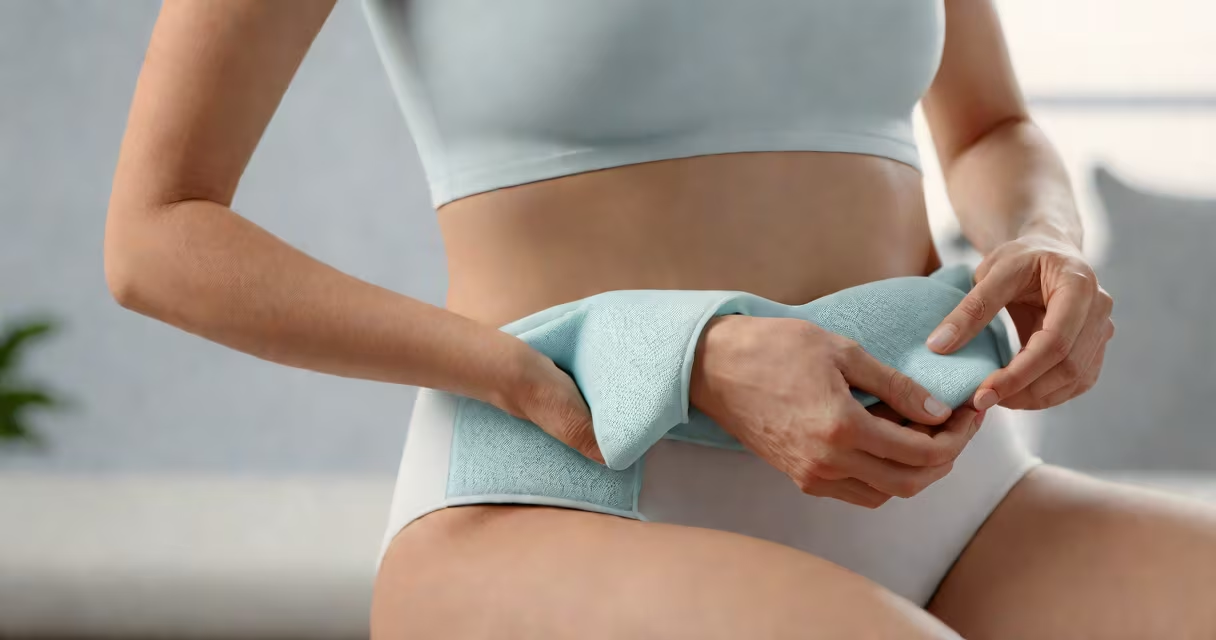
Heat therapy provides immediate relief by increasing blood flow to the pelvic area, relaxing tense muscles. A 2018 randomized trial published in Journal of Women's Health showed that applying a heating pad at 40°C for 20 minutes reduced pain scores by 40% in 72% of participants. Heat improves tissue oxygenation and may suppress nerve signals transmitting pain.
Exercise reduces pain through endorphin release and improved circulation. A 2020 review in British Journal of Sports Medicine found that 30 minutes of low-impact aerobic activity (walking, swimming) three times weekly decreased menstrual pain severity by 35% over six months. Yoga poses like child's pose and seated forward bend specifically target abdominal tension.
Pain in menstruation falls into two categories: primary and secondary dysmenorrhea. Primary occurs without underlying pathology and typically begins within six months of menarche. Secondary dysmenorrhea develops later in life and may signal conditions like endometriosis, fibroids, or adenomyosis.
Endometriosis affects approximately 10% of reproductive-age individuals and causes chronic pelvic pain. It occurs when endometrial-like tissue grows outside the uterus, leading to inflammation and scarring. Diagnosis often takes 7-10 years due to symptom overlap with normal cramps. Persistent pain beyond the first two days of bleeding warrants evaluation.
| Type | Onset | Duration | Common Causes | Relief Response |
|---|---|---|---|---|
| Primary dysmenorrhea | Within 1-2 years of menarche | 1-3 days | High prostaglandin levels | NSAIDs, heat, exercise |
| Secondary dysmenorrhea | After age 25 | Longer than 3 days | Endometriosis, fibroids, PID | Requires medical diagnosis and treatment |
Many assume menstrual pain is "normal" and must be endured. This belief delays care for treatable conditions. A 2022 survey by the Endometriosis Foundation of America found that 60% of people with endometriosis waited over five years to receive a diagnosis because they believed their pain was typical.
Another misconception is that birth control pills eliminate all period pain. While hormonal contraceptives reduce prostaglandin production and regulate cycles, they don't cure underlying conditions. About 30% of users still report significant cramping. Pills are most effective when started early in the cycle and maintained consistently.
Some try to stop menstruation entirely using dietary methods. Foods like ginger, turmeric, and cinnamon have mild anti-inflammatory properties, but they do not halt ovulation or menstruation. There is no safe food-based method to stop a period. Attempting to do so via extreme fasting or herbal supplements risks hormonal disruption and nutrient deficiency.
A 24-year-old college student reported severe cramps lasting four days each month. She had tried over-the-counter painkillers with limited success. After consulting her gynecologist, she began taking 600 mg ibuprofen at the first sign of pain and applied a heating pad twice daily. Within two cycles, her pain dropped from an 8/10 to a 2/10 on a visual scale.
She also incorporated 20-minute walks during her luteal phase and reduced caffeine intake. Her cycle regularity improved, and she missed fewer classes. She later learned she had mild endometriosis, which was managed with combined oral contraceptives and ongoing monitoring.
Consult a healthcare provider if pain interferes with school, work, or social activities. Red flags include heavy bleeding (soaking a pad hourly), fever, dizziness, or pain that doesn't improve with standard treatments. Imaging and laparoscopy may be needed to rule out structural causes.
For those exploring alternatives, a short list of foods that support menstrual health includes leafy greens, omega-3 rich fish, and whole grains. These support hormonal balance but do not replace medical treatment for severe pain.
People with pre menstruation pain often confuse it with menstrual cramps. Premenstrual syndrome (PMS) involves bloating, mood swings, and fatigue starting 5-14 days before bleeding. It resolves with menses onset. Cramps begin at or shortly after bleeding starts and last 1-3 days. Distinguishing between them ensures proper treatment.
Managing pain in menstruation requires a layered approach: medication for acute relief, lifestyle adjustments for prevention, and timely medical consultation when symptoms persist. No single solution fits everyone, but combining evidence-based strategies yields measurable improvement.